
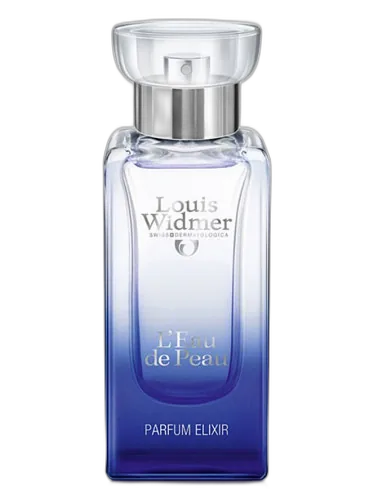

L'eau De Peau Parfum Elixir Louis Widmer
Fragrance Story
L'Eau de Peau Parfum Elixir by Louis Widmer is a Floral fragrance for women. L'Eau de Peau Parfum Elixir was launched in 2017. The nose behind this fragrance is Barbara Zoebelein.
Composition Profile
About the Perfumer

Barbara Zoebelein
Barbara Zoebelein is a perfumer known for her work with brands like Avon, Guess, and Boitown. Her style often balances accessible elegance with subtle complexity, seen in creations such as Little Black Dress Avon and Guess By Marciano. She has also contributed to diverse projects including Jequiti’s Cauã Reymond Intenso and Louis Widmer’s L'eau De Peau Eau Douceur.
Fragrance Notes
All Notes
Complete scent profile
 Iris Flower
 Musk
Musk
 Rose
Rose
 Jasmine
Character Profile
The Archetype Archetype: Portrait of L'eau De Peau Parfum Elixir Louis Widmer
Essence
To wear L'eau De Peau Parfum Elixir by Louis Widmer is to embrace a fragrance that is both refined and enigmatic-a scent that balances freshness with depth, subtlety with presence. The person who chooses this fragrance is not one for ostentation, yet they command attention through quiet sophistication. They are drawn to the interplay of light and shadow within themselves, embodying a duality that is both harmonious and restless.
Above all, this individual is defined by the Sage archetype-the seeker of truth, the observer, the one who values wisdom over spectacle. Like a philosopher in a bustling world, they move with deliberation, their mind always turning over ideas, perceptions, and hidden meanings. They are not content with superficial answers; they crave understanding, both of themselves and of the world around them.
Yet, the Sage is not merely an intellectual. Their wisdom is sensual, embodied-they appreciate the texture of life, the way light filters through leaves, the weight of a well-bound book, the quiet intensity of a meaningful conversation. The fragrance they wear reflects this: it is not loud, but it lingers, leaving an impression that is both cerebral and deeply felt.
Style & Aesthetic
Their tastes are curated, never accidental. They prefer understated elegance-tailored but not rigid, refined but not sterile. Their wardrobe consists of muted tones with occasional bursts of deep color, much like their thoughts: mostly measured, but capable of sudden intensity. They appreciate craftsmanship, whether in a finely made watch, a leather-bound journal, or the structure of a well-composed piece of music.
In art, they are drawn to works that invite contemplation-minimalist paintings, films with layered symbolism, literature that demands rereading. They do not consume culture passively; they engage with it, dissecting it, letting it reshape their understanding.
Philosophy & Values
Truth is their guiding principle, but not in the rigid, dogmatic sense. They seek their truth-a personal, evolving understanding of existence. They are skeptical of grand narratives, preferring nuance and paradox. Stoicism appeals to them, but so does the occasional surrender to passion-they recognize that wisdom is not the absence of feeling, but the mastery of it.
They value independence of thought, often resisting trends or popular opinions unless they have examined them first. This can make them seem aloof, but in reality, they are deeply engaged-just on their own terms.
Relationships
They do not collect friends; they cultivate them. Their inner circle is small, composed of individuals who stimulate their intellect and challenge their perspectives. They are not the life of the party, but they are the one people seek out for meaningful conversation.
Romantically, they are drawn to partners who are their equals-people who do not need them, but choose them. They despise neediness but crave depth. Their love is not loud or effusive, but it is enduring, built on mutual respect and shared curiosity.
Conclusion
The Sage’s greatest strength-their intellect-can also be their prison. They may retreat too far into their own mind, becoming detached from the visceral, messy aspects of life. They might overanalyze emotions rather than experience them, turning love into a concept rather than a feeling, joy into an idea rather than a sensation.
This can lead to a subtle arrogance-a belief that because they understand more, they are more. They may dismiss those who live more instinctively, forgetting that wisdom without warmth is sterile.
Similar Fragrances
Fragrances with a comparable profile - shared accords, notes, and character.
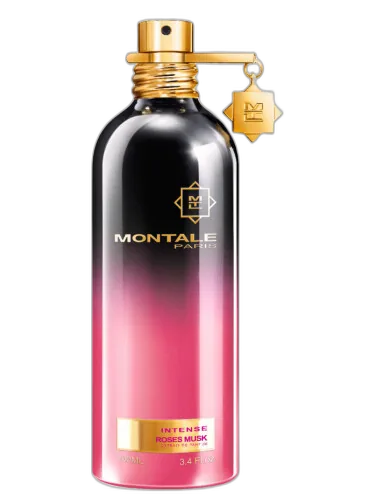
Montale
Roses Musk Montale
Shared accords: floral, musky, powdery
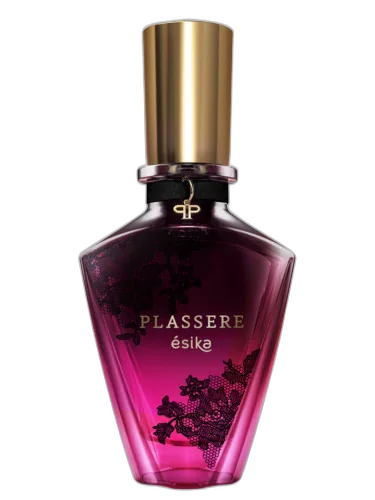
Ésika
Plassere Ésika
Shared accords: floral, musky, powdery
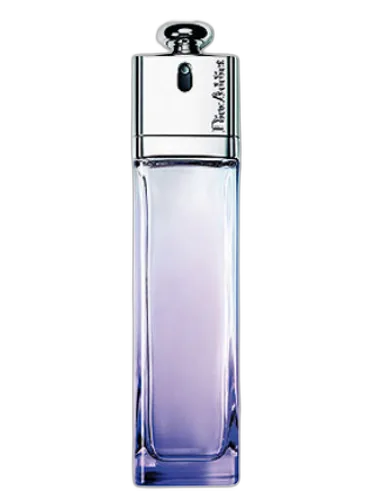
Dior
Dior Addict Eau Sensuelle Dior
Shared accords: floral, musky, powdery

ASAMA Perfumes
Sea Rose Asama Perfumes
Shared accords: floral, musky, powdery
Jardin de France
Violette Jardin De France
Shared accords: floral, musky, powdery