
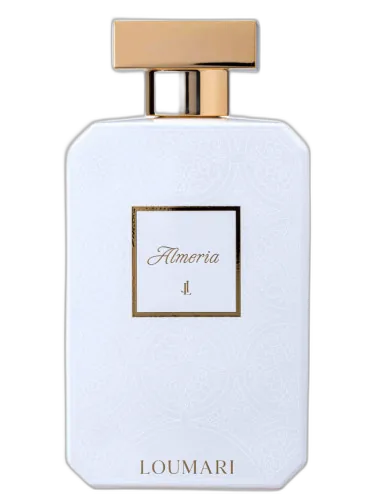

Almeria Loumari
At a glance
Is Almeria Loumari worth trying?
Almeria by Loumari is a fragrance for women and men.
- Best match
- Evening wear in Fall
- Performance feel
- Very Good longevity with Strong sillage
- Signature profile
- fresh spicy, sweet, warm spicy with Almond, Bitter Orange, elemi
The first impression
Almeria by Loumari is a fragrance for women and men. The nose behind this fragrance is Amelie Bourgeois. Top notes are Almond, Bitter Orange and elemi; middle notes are Black Pepper, Rose and Cinnamon; base notes are Tobacco, Virginia Cedar, Musk, Vanilla and Caramel.
What shapes the scent
The perfumer behind it

Amelie Bourgeois
Amelie Bourgeois is a French perfumer known for her work with the niche houses Aether and Alexandre.J. Her style blends experimental, synthetic accords with natural elements, often exploring contrasts like citrus and musk or rose and alkanes. She created the Aether Oxyde and Carboneum compositions, as well as Alexandre.J’s Mandarine Sultane and Passion Bliss.
Notes pyramid
Top Notes
First impression · 15-30 min
 Almond
 Bitter Orange
 elemi
elemi
Heart Notes
Core character · 2-4 hours
Black Pepper
 Rose
Rose
 Cinnamon
Base Notes
Lasting impression · 4+ hours
 Tobacco
Virginia Cedar
Tobacco
Virginia Cedar
 Musk
Musk
 Vanilla
 Caramel
The mood it creates
The Lover Archetype: Portrait of Almeria Loumari
Essence
To wear Almeria Loumari is to embrace the intoxicating dance between the ephemeral and the eternal. This fragrance-a blend of citrus, jasmine, and woody warmth-does not merely scent the skin; it announces a soul who lives in pursuit of beauty, sensuality, and depth. The person who chooses it is not one for half-measures in love, in aesthetics, or in life. They are, at their core, an embodiment of The Lover archetype, but like all archetypes, this one casts both light and shadow.
Style & Aesthetic
Their world is one of curated elegance. They do not merely dress-they compose themselves. Fabrics drape with intention, colors harmonize like chords in a nocturne, and every accessory is chosen not for trend but for resonance. They favor textures that beg to be touched: silk that whispers, cashmere that cradles, leather that remembers the shape of the body. Their home is no different-a sanctuary where light filters through stained glass or sheer curtains, where books are arranged not just by genre but by the mood they evoke, where even a coffee table bears the weight of beauty in the form of a single, perfect orchid.
They are drawn to art that thrums with passion-Caravaggio’s chiaroscuro, Frida Kahlo’s visceral honesty, Rumi’s verses that dissolve the boundary between divine and earthly love. Music, too, must stir something in the blood: the aching crescendos of Chopin, the smoky allure of jazz, the primal pulse of flamenco. They do not consume culture passively; they surrender to it, allowing it to rewrite them with each encounter.
Philosophy & Values
For them, pleasure is not indulgence but a form of truth. They reject the puritanical notion that depth must be austere. To savor a perfectly ripe fig, to lose oneself in the scent of rain on warm stone, to linger in the touch of a lover’s hand-these are not distractions from meaning but its very essence. They believe that the body is not a vessel to be disciplined but a canvas for ecstasy and wisdom alike.
Yet this philosophy is not without its perils. The shadow of The Lover is hedonism without anchor-a pursuit of intensity that becomes its own prison. They may mistake the rush of new infatuation for lasting connection, or confuse the accumulation of beautiful experiences with a life well-lived. There is a hunger in them that can never be fully sated, and in weaker moments, they may find themselves chasing sensation after sensation, only to feel emptier with each conquest.
Relationships
In love, they are both radiant and consuming. They do not love cautiously; they blaze. Their partners are drawn to their magnetism, their ability to make even an ordinary evening feel like a scene from a myth. But this very intensity can become a burden. They expect love to be a force of nature, and when the initial fervor fades into the quiet hum of companionship, they may grow restless, mistaking stability for stagnation.
Their friendships, too, are deep but selective. They have little patience for small talk or superficial bonds. They seek kindred spirits-those who can match their emotional depth, who understand that a conversation can be as intimate as a kiss. But this selectivity can veer into elitism; they may dismiss others too quickly for lacking their aesthetic refinement or emotional fluency.
Shadow
The greatest danger for The Lover is the tyranny of their own desires. When unchecked, their pursuit of the exquisite can curdle into decadence or melancholy. They may grow disillusioned when the world fails to match their romantic ideals, or they may become trapped in nostalgia, forever comparing the present to some lost golden moment.
There is also the risk of vanity-not merely in appearance, but in the soul. They may begin to see themselves as a tragic figure, the only one who truly feels, the only one who truly sees. This is the Lover’s hubris: the belief that their sensitivity makes them superior, rather than simply human.
Conclusion
To wear Almeria Loumari is to accept a paradox: that beauty is both salvation and temptation. The Lover must learn that true depth is not found in endless hunger, but in the ability to be nourished. They must temper their idealism with the wisdom that love is not only fire, but also embers-that the most profound beauty often lies in what endures, not just in what dazzles.
If they can master this balance, they become more than aesthetes-they become alchemists, turning the raw material of existence into something luminous. And if they fail? They risk becoming a ghost in their own life, always chasing, never arriving.
But for now, they walk through the world as if it were a poem written just for them. And in a way, it is.
If you like this, try these
Fragrances with a comparable profile - shared accords, notes, and character.
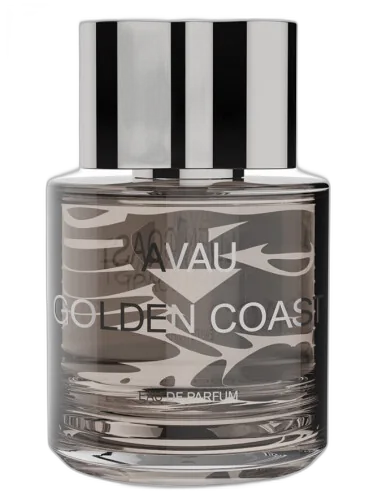
AVAU
Golden Coast Avau
Shared heart notes: cinnamon, rose
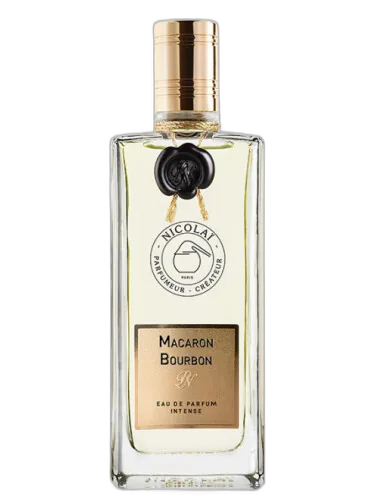
Nicolai Parfumeur Createur
Macaron Bourbon Nicolai Parfumeur Createur
Shared heart notes: cinnamon, rose
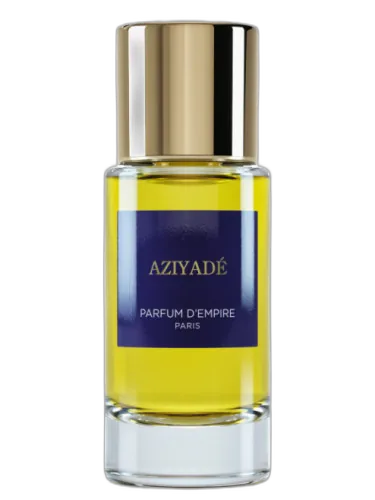
Parfum d'Empire
Aziyade Parfum D'empire
Shared top notes: almond

Elena Lanzano Essences
Sexalmond Elena Lanzano Essences
Shared top notes: almond, bitter orange

Giardino Benessere
Kronos Giardino Benessere
Shared heart notes: black pepper, cinnamon, rose