


Un Parfum D’aventure L.t. Piver
Fragrance Story
Un Parfum d’Aventure by L.T. Piver is a Oriental Spicy fragrance for men. Un Parfum d’Aventure was launched in 1931. Top notes are Bergamot, Rosebay Willowherb, Lavender and Lemon; middle notes are Cinnamon, Allspice, Cardamom and Geranium; base notes are Rose, Sandalwood, Moroccan Cedar and Haitian Vetiver.
Composition Profile
About the Perfumer

Unknown Perfumer
Fragrance Notes
Top Notes
First impression · 15-30 min
 Bergamot
 Rosebay Willowherb
 Lavender
 Lemon
Lemon
Heart Notes
Core character · 2-4 hours
 Cinnamon
 Allspice
 Cardamom
 Geranium
Base Notes
Lasting impression · 4+ hours
 Rose
Rose
 Sandalwood
 Moroccan Cedar
Haitian Vetiver
Moroccan Cedar
Haitian Vetiver
Un Parfum D’aventure L.t. Piver by L.T. Piver offers a distinctive olfactory experience that stands out from other fragrances in its category.
Crafted with the finest ingredients and a blend of traditional and modern perfumery techniques, this fragrance represents the pinnacle of the perfumer's art.
Un Parfum D’aventure L.t. Piver embodies the distinctive style of L.T. Piver while adding a unique chapter to their fragrance portfolio.
Character Profile
The Explorer Archetype: Portrait of Un Parfum D’aventure L.t. Piver
Essence
To wear Un Parfum D’aventure by L.T. Piver is to carry the spirit of uncharted paths-a fragrance that evokes the crispness of mountain air, the spice of distant lands, and the quiet thrill of stepping beyond the known. The person who favors this scent is not merely a traveler in the physical sense but a seeker in the deepest psychological and existential dimensions. They embody the Explorer archetype, driven by an insatiable curiosity and a refusal to be confined by convention.
Shadow
Yet, like all archetypes, the Explorer has a shadow. Their relentless pursuit of the new can become restlessness masquerading as freedom. They may flee from commitment-not just in love, but in ideas, careers, even friendships. When things become too familiar, too settled, they feel the itch to leave, mistaking depth for confinement.
This can lead to a rootlessness, a lack of true belonging. They may pride themselves on being unattached, but there is a difference between detachment and freedom. Without roots, even the mightiest tree topples in the storm.
Another danger is superficiality in experience. They may skim the surface of many things but master none, mistaking breadth for depth. A hundred half-lived adventures can leave them emptier than one fully realized journey.
Conclusion
Their life is a series of departures-some literal, others philosophical. They are drawn to the edges of maps, both geographical and intellectual, always questioning, always moving. Routine is a slow death to them; stagnation, a kind of suffocation. They thrive in transition, in the liminal spaces between destinations, where possibility is still unshaped.
Their tastes reflect this restlessness. They prefer raw, unfiltered experiences over polished comforts-a street food stall in Marrakech over a Michelin-starred restaurant, a dog-eared book of philosophy over a bestseller. Their style is practical yet distinctive, favoring well-worn leather, sturdy boots, and fabrics that tell stories of use. They might collect odd trinkets from their journeys, not for display, but as tactile reminders of moments lived intensely.
Philosophically, they reject dogma. Truth, to them, is not fixed but something to be pursued, tested, and discarded when it no longer serves. They are drawn to thinkers like Nietzsche himself, who championed self-overcoming and the courage to question. Their values are rooted in freedom-not just the freedom to roam, but the freedom to think, to dissent, to redefine oneself endlessly.
Similar Fragrances
Fragrances with a comparable profile - shared accords, notes, and character.

Coach
Coach Eau De Parfum Coach
Shared accords: aromatic, citrus, fresh spicy

Lorenzo Villoresi
Vintage Collection Garofano Lorenzo Villoresi
Shared accords: aromatic, cinnamon, floral

Santa Maria Novella
Ottone Santa Maria Novella
Shared accords: aromatic, cinnamon, citrus
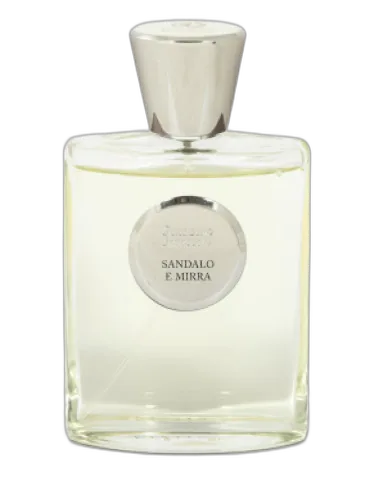
Giardino Benessere
Sandalo E Mirra Giardino Benessere
Shared accords: aromatic, cinnamon, citrus
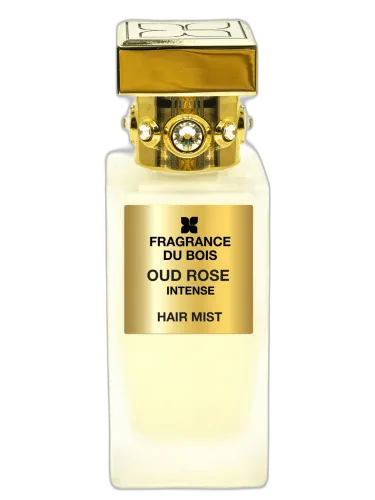
Fragrance Du Bois
Oud Rose Intense Hair Mist Fragrance Du Bois
Shared accords: aromatic, citrus, floral