
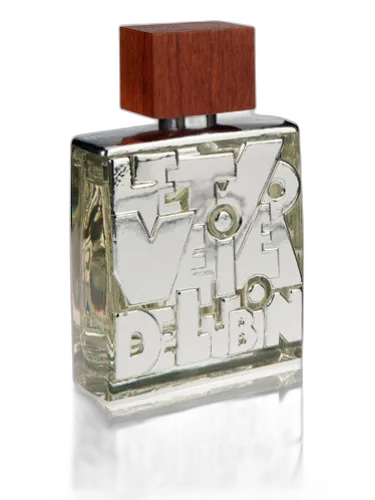

Bluff Lubin
At a glance
Is Bluff Lubin worth trying?
Bluff by Lubin is a Woody Spicy fragrance for women and men.
- Best match
- Evening wear in Fall
- Performance feel
- Good longevity with Moderate sillage
- Signature profile
- woody, citrus, fresh spicy with Nutmeg, Lime, Cinnamon
The first impression
Bluff by Lubin is a Woody Spicy fragrance for women and men. Bluff was launched in 2009. The nose behind this fragrance is Thomas Fontaine. Top notes are Nutmeg, Lime, Cinnamon and Bergamot; middle notes are Brazil nut, Iris and Clary Sage; base notes are Sandalwood, Virginia Cedar, Vetyver, Vanille and Patchouli.
What shapes the scent
The perfumer behind it

Thomas Fontaine
Thomas Fontaine is a perfumer who has created Jasmine Yang for Anima Vinci, Cafe-cafe for Cafe Parfums, and several scents for Comptoir Sud Pacifique including Coeur D'ylang, Lime Tropical, Rhum & Tabac, and Yucatán Secret. He also composed Debut for Etienne Aigner and No 7 for Eutopie. Fontaine's work often features exotic and tropical notes, as well as gourmand and floral accords.
Notes pyramid
Top Notes
First impression · 15-30 min
 Nutmeg
 Lime
Lime
 Cinnamon
 Bergamot
Heart Notes
Core character · 2-4 hours
 Brazil nut
 Iris
Iris
 Clary Sage
Base Notes
Lasting impression · 4+ hours
 Sandalwood
 Virginia Cedar
Vetyver
Vanille
Virginia Cedar
Vetyver
Vanille
 Patchouli
The mood it creates
The Lover Archetype: Portrait of Bluff Lubin
Essence
To wear Bluff Lubin is to embrace a paradox-a fragrance that is both bold and refined, playful yet sophisticated. The person who chooses this scent is not merely seeking an aroma; they are declaring an allegiance to pleasure, to the art of living sensually. They are, at their core, a Hedonist-an archetype defined by their pursuit of beauty, indulgence, and the intoxicating thrill of experience.
The Hedonist thrives in moments of heightened sensation-the first sip of an aged wine, the brush of silk against skin, the golden hour light spilling over a cityscape. They are drawn to Bluff Lubin because it mirrors their own duality: a fragrance that is both warm and fresh, woody yet floral, evoking both the wildness of nature and the polish of urbanity.
Their philosophy is simple but profound: Life is to be tasted, not merely endured. They reject asceticism, seeing it as a denial of the body’s wisdom. Instead, they believe in the sacredness of pleasure-not as mere decadence, but as a path to deeper awareness. A sunset is not just light fading; it is a symphony of color to be felt in the bones. A lover’s touch is not just contact; it is a language unto itself.
Style & Aesthetic
This person moves through the world with an effortless magnetism. Their style is curated but never stiff-a tailored blazer thrown over a rumpled linen shirt, a vintage watch paired with a modern leather bracelet. They favor textures that invite touch: cashmere, suede, the roughness of unpolished silver. Their home is a sanctuary of sensory indulgence-low lighting, plush seating, shelves lined with well-loved books and rare spirits.
They are drawn to art that stirs the senses-Baroque music for its drama, Impressionist paintings for their play of light, poetry that lingers on the tongue like dark chocolate. Their taste in food leans toward the decadent-truffles, oysters, bitter espresso-but they appreciate simplicity when it is executed with mastery. A perfect peach can move them as deeply as a five-course meal.
Relationships
The Hedonist loves love-not in the sentimental sense, but as an experience to be savored. They are often surrounded by admirers, not because they seek validation, but because they radiate an energy that draws people in. Their relationships are intense, passionate, and sometimes fleeting. They do not fear impermanence; they understand that some connections are meant to burn brightly and fade.
Yet, this very strength is also their shadow. Their appetite for novelty can make commitment difficult. They may grow restless when the initial thrill of a relationship settles into routine, mistaking comfort for stagnation. They are not cruel, but they can be careless-leaving behind wounded hearts not out of malice, but because they are already chasing the next intoxicating encounter.
Shadow
The Hedonist’s greatest danger is not indulgence itself, but the emptiness that can lurk beneath it. When life becomes too harsh or mundane, they may retreat into sensation as an escape rather than an enhancement. The third glass of wine becomes a habit, the flirtation becomes a compulsion, the pursuit of beauty becomes a distraction from deeper wounds.
They may also struggle with a subtle arrogance-a belief that those who live austerely are simply afraid of life’s richness. This can blind them to the quiet wisdom of restraint, to the beauty found in stillness. Their shadow whispers: More, always more, until they risk losing themselves in the chase.
Conclusion
At their best, the Hedonist is a guide to the art of living. They remind others that joy is not frivolous-it is essential. They teach that pleasure, when approached with mindfulness, can be a form of reverence. They do not shy away from sorrow, but they refuse to let it dominate existence.
They are not naive; they know that life contains suffering. But they choose, again and again, to tilt toward delight. To wear Bluff Lubin is to carry that philosophy in the air around them-a reminder that even in a world of shadows, there are still fragrances worth breathing in deeply.
If you like this, try these
Fragrances with a comparable profile - shared accords, notes, and character.
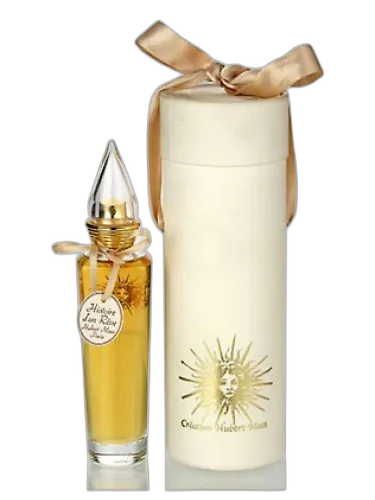
Hubert Maes Creations
Histoire D'un Reve Hubert Maes Creations
Shared top notes: bergamot
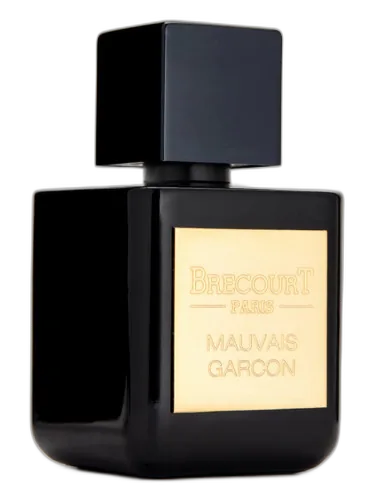
Brecourt
Mauvais Garcon Brecourt
Shared top notes: bergamot, cinnamon, nutmeg
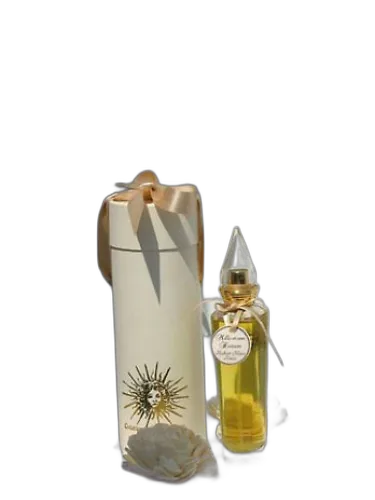
Hubert Maes Creations
Mille Et Une Histoire Hubert Maes Creations
Shared top notes: bergamot
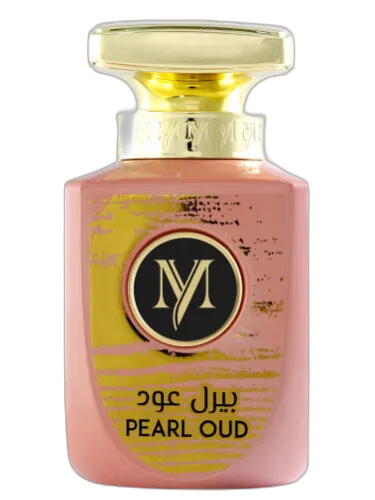
My Perfumes Select
Pearl Oud My Perfumes Select
Shared top notes: bergamot, cinnamon, nutmeg
Penhaligon's
Zizonia Penhaligon's
Shared top notes: bergamot