
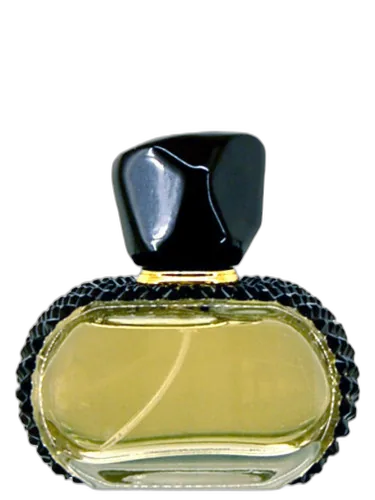
Art Collection Oudity M. Micallef
At a glance
Is Art Collection Oudity M. Micallef worth trying?
Art Collection Oudity by M.
- Best match
- Evening wear in Fall
- Performance feel
- Excellent longevity with Strong sillage
- Signature profile
- rose, warm spicy, aromatic with Geranium, Lemon, Rose de Mai
The first impression
Art Collection Oudity by M. Micallef is a Woody fragrance for women and men. Art Collection Oudity was created by Geoffrey Nejman and Jean-Claude Astier. Top notes are Geranium and Lemon; middle notes are Rose de Mai and Saffron; base note is Laotian Oud.
What shapes the scent
The perfumer behind it

Geoffrey Nejman
Geoffrey Nejman is a perfumer who has created fragrances for Galerie des Sens, including Elixir De Plaisir, Maître D’amour, and Pure Magie. He also composed several scents for M. Micallef, such as 25 Anniversary, Akowa, Ananda Dolce, and Art Collection Black. His work spans both niche and luxury markets, often featuring rich, complex compositions.
Notes pyramid
Top Notes
First impression · 15-30 min
 Geranium
 Lemon
Lemon
Heart Notes
Core character · 2-4 hours
 Rose de Mai
 Saffron
Base Notes
Lasting impression · 4+ hours
 Laotian Oud
The mood it creates
The Lover Archetype: Portrait of Art Collection Oudity M. Micallef
Essence
The person who cherishes Art Collection Oudity M. Micallef is, at their core, a Sage-an archetype defined by wisdom, introspection, and a relentless pursuit of depth. This fragrance, with its rich, smoky oud, dark spices, and leathery warmth, is not merely a scent but a statement: it speaks of someone who values complexity, history, and the weight of experience. The Sage seeks knowledge not for the sake of appearances but as a means of understanding the hidden structures of the world. They are drawn to the enigmatic, the rare, the things that demand patience to unravel.
Yet, like all archetypes, the Sage has a shadow. Their love for the profound can become a retreat from the mundane, an escape into intellectualism that borders on detachment. They may disdain simplicity, seeing it as shallowness, and in doing so, isolate themselves from the raw, unpolished beauty of ordinary life.
Relationships
Their relationships are deep but few. They do not suffer fools gladly, and their patience for small talk is thin. Yet, when they find someone who matches their intensity, they are fiercely loyal, offering insights and understanding that few others can. Romantic partners must be willing to navigate their occasional retreats into solitude-they do not fear commitment, but they require space to think, to breathe, to return to themselves.
Friendships are built on mutual respect for intellect and independence. They are not the type to organize social gatherings, but they will sit for hours in dimly lit cafés discussing art, politics, or the nature of consciousness. Their love is not effusive but steady, expressed through acts of thoughtfulness rather than grand gestures.
Shadow
Their greatest strength-their intellect-can also be their undoing. In their quest for wisdom, they may become dismissive of those who do not share their depth, seeing emotion as weakness or simplicity as ignorance. They might retreat into books and theories, using knowledge as a shield against the messiness of human connection.
There is also the danger of becoming lost in their own mind, paralyzed by overanalysis. Life is not merely to be understood but to be lived, and the Sage must occasionally step out of the library and into the world, embracing imperfection and spontaneity.
Conclusion
Their tastes are refined but never ostentatious. They prefer the understated luxury of well-worn leather-bound books over flashy designer labels, the quiet intensity of a jazz trio over the clamor of a crowded festival. Their wardrobe leans toward timeless cuts-tailored but not stiff, elegant but never fussy. They might wear a single piece of jewelry, something ancient or symbolic, not as decoration but as a talisman.
Philosophy is not an abstract interest for them but a lived experience. They are drawn to thinkers like Nietzsche, Jung, or the Stoics-those who wrestle with the contradictions of existence. They do not seek easy answers but rather the kind of questions that unsettle and expand the mind. Their values are rooted in authenticity; they despise pretense, though they themselves may sometimes fall into the trap of intellectual arrogance.
If you like this, try these
Fragrances with a comparable profile - shared accords, notes, and character.
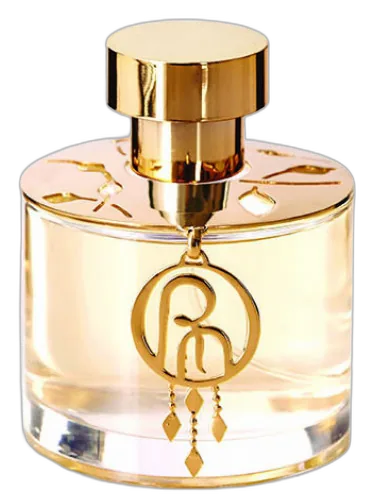
ORN
Maya Orn
Shared top notes: geranium, lemon
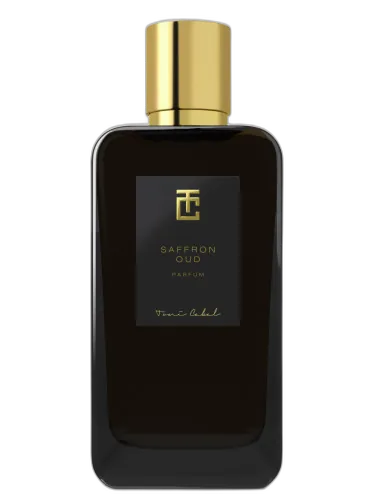
Toni Cabal
Saffron Oud Toni Cabal
Shared heart notes: saffron
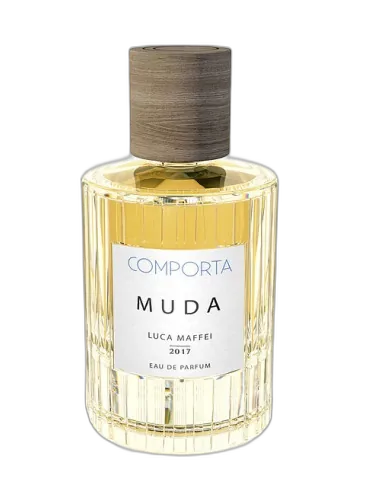
Comporta Perfumes
Muda Comporta Perfumes
Shared top notes: geranium, lemon
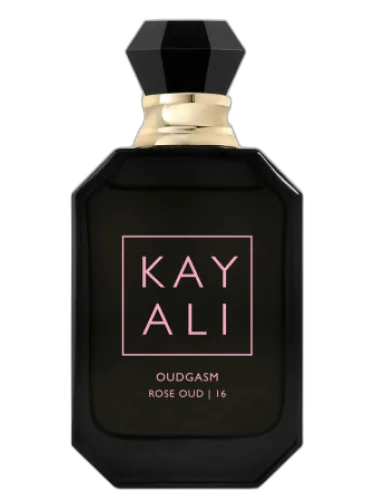
Kayali Fragrances
Oudgasm Rose Oud | 16 Eau De Parfum Intense Kayali Fragrances
Shared top notes: geranium, lemon
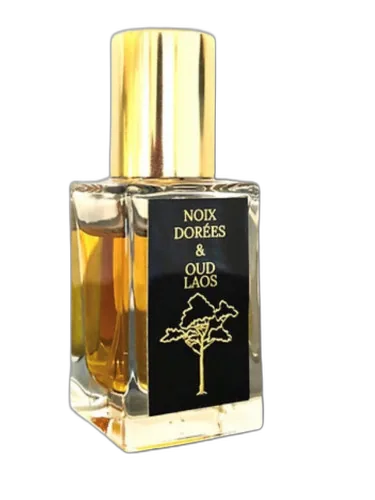
Marble Oud
Noix Dorées & Oud Laos Marble Oud
Shared base notes: laotian oud