
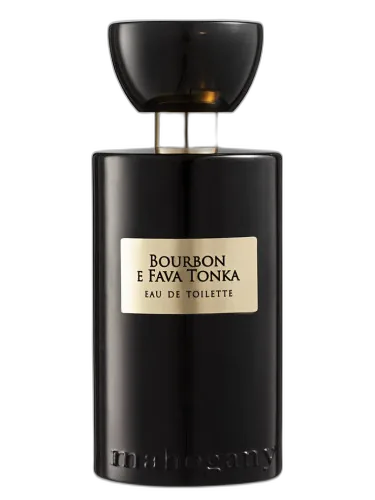

Bourbon E Fava Tonka Mahogany
At a glance
Is Bourbon E Fava Tonka Mahogany worth trying?
Bourbon e Fava Tonka by Mahogany is a Oriental Woody fragrance for men.
- Best match
- Evening wear in Fall
- Performance feel
- Very Good longevity with Strong sillage
- Signature profile
- vanilla, sweet, woody with Coriander, Lemon, Bergamot
The first impression
Bourbon e Fava Tonka by Mahogany is a Oriental Woody fragrance for men. Bourbon e Fava Tonka was launched in 2021. The nose behind this fragrance is Fanny Grau. Top notes are Coriander, Lemon and Bergamot; middle notes are Bourbon Whiskey, Tobacco, Vanilla and Pink Flamingo Heliconia; base notes are Tonka Bean and Cedar.
What shapes the scent
The perfumer behind it

Fanny Grau
Fanny Grau is a perfumer whose work spans brands such as Abel, Avon, Eudora, and Hinode. She created Nurture and Pause for Abel, Candy! Shake Lover for Avon, and several fragrances for Eudora including Diva Esplêndida, Diva Fabulosa, Diva Nuit, and Instance Harmonia. Her portfolio also includes Rebelle Madness for Hinode, reflecting a broad range of styles from natural to playful.
Notes pyramid
Top Notes
First impression · 15-30 min
 Coriander
 Lemon
Lemon
 Bergamot
Heart Notes
Core character · 2-4 hours
 Bourbon Whiskey
 Tobacco
 Vanilla
 Pink Flamingo Heliconia
Base Notes
Lasting impression · 4+ hours
 Tonka Bean
 Cedar
Cedar
The mood it creates
The Alchemist Archetype: Portrait of Bourbon E Fava Tonka Mahogany
Essence
This person is an Alchemist-one who transforms the mundane into the profound, who seeks depth in every sensation, thought, and encounter. Bourbon, vanilla, mahogany-these are not mere scents but symbols of their inner world: rich, layered, intoxicating. They are drawn to the interplay of warmth and darkness, sweetness and smoke, just as they are drawn to the contradictions within themselves.
The Alchemist is a creator, a seeker of hidden truths, but also a figure who risks losing themselves in their own labyrinth. They do not merely experience life; they distill it, searching for the elixir that will reveal its ultimate meaning.
Style & Aesthetic
Their presence is magnetic, not through loudness but through quiet intensity. They favor textures that invite touch-worn leather, aged wood, cashmere that carries the weight of time. Their wardrobe leans toward deep, muted tones: burgundy, charcoal, espresso brown. They appreciate craftsmanship, the kind that reveals itself slowly-hand-stitched shoes, a well-worn journal, a whiskey glass that catches the light just so.
Their home is a sanctuary of curated warmth: shelves lined with philosophy and poetry, a record player spinning jazz or dark classical compositions, candles that flicker against mahogany bookshelves. They are not a collector of things but of experiences-rare books, aged spirits, conversations that stretch into the early hours.
Philosophy & Values
They believe in the alchemy of experience-that life’s raw materials can be transmuted into something greater. Suffering is not to be avoided but understood, distilled into wisdom. Pleasure is not indulgence but a form of study-the way bourbon unfolds on the tongue, the way a lover’s sigh lingers in the dark.
They value depth over breadth, preferring a few meaningful connections to many shallow ones. Loyalty is sacred, but they do not give it lightly. Their trust is earned through shared silence as much as shared words. They are drawn to those who, like them, see the world as both beautiful and tragic-who understand that joy and melancholy are not opposites but companions.
Relationships
In love, they are intense but not possessive. They crave a partner who is both a mirror and a mystery-someone who reflects their depths but remains just out of reach, like the final note of a fading perfume. Their relationships are marked by slow, deliberate passion-conversations that unravel over months, touches that carry the weight of unspoken histories.
Yet, they are also prone to withdrawal. When the world feels too bright, too loud, they retreat into their inner sanctum, leaving others to wonder if they were ever truly known. Their solitude is both refuge and prison-a place where they refine themselves but sometimes lose the thread that connects them to others.
Shadow
The Alchemist’s greatest strength is also their flaw: they can become lost in their own alchemy. Their pursuit of depth can turn into obsession, their love of mystery into evasion. They may romanticize melancholy, mistaking it for wisdom. At their worst, they become a recluse, hoarding their insights like a miser hoards gold, believing no one else could possibly understand.
They must learn that not all truths need to be distilled-some are meant to be lived, messy and unfiltered. The true alchemy lies not just in transformation but in participation-in allowing the world to touch them as deeply as they touch it.
Conclusion
They are not a figure of grand gestures but of quiet revolutions. Their legacy is not in monuments but in moments-the way they made someone feel seen, the way they turned an ordinary evening into something sacred. They move through life like smoke through a dimly lit room: lingering, intoxicating, impossible to grasp.
And when they are gone, their presence remains-not in loud echoes, but in the faint, intoxicating trace of bourbon and tonka, a reminder that some souls are meant to be savored slowly.
If you like this, try these
Fragrances with a comparable profile - shared accords, notes, and character.

Ex Nihilo
Amber Sky Ex Nihilo
Shared top notes: bergamot, coriander
Creed
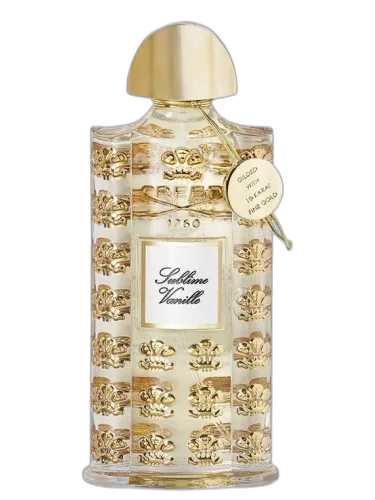
Sublime Vanille Creed
Shared top notes: bergamot, lemon

Giorgio Armani
Armani Code Golden Edition Giorgio Armani
Shared top notes: bergamot, lemon
Giorgio Armani
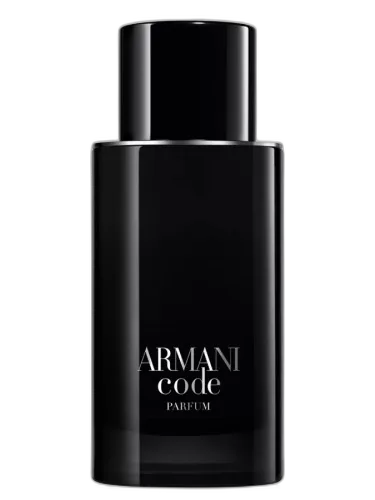
Armani Code Parfum Giorgio Armani
Shared top notes: bergamot
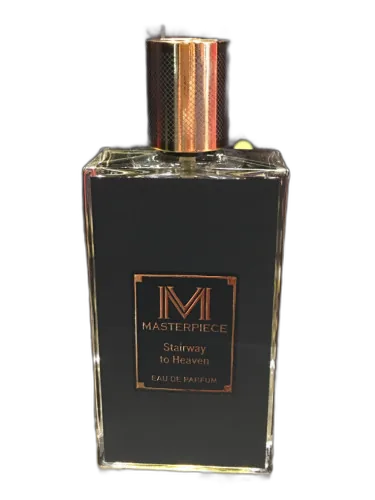
Masterpiece
Stairway To Heaven Masterpiece
Shared top notes: bergamot, lemon