
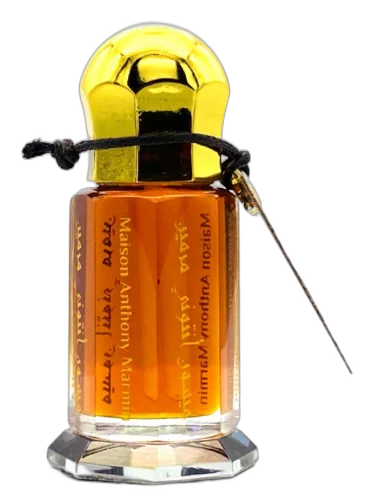

Amber Al Faransi Maison Anthony Marmin
At a glance
Is Amber Al Faransi Maison Anthony Marmin worth trying?
Amber Al Faransi by Maison Anthony Marmin is a fragrance for women and men.
- Best match
- Evening wear in Fall
- Performance feel
- Very Good longevity with Moderate sillage
- Signature profile
- warm spicy, amber, woody with Saffron, Vetiver, Agarwood (Oud)
The first impression
Amber Al Faransi by Maison Anthony Marmin is a fragrance for women and men. The nose behind this fragrance is Anthony Abdul Karim Marmin.
What shapes the scent
The perfumer behind it

Anthony Abdul Karim Marmin
Anthony Abdul Karim Marmin is a perfumer closely associated with the house of Abdul Karim Al Faransi, where he has created a wide range of fragrances. His style spans bold, resinous compositions like Amber 4000 and Amber Afghani, as well as more complex, evocative scents such as Al Quds and Amazonia. Known for blending traditional Middle Eastern ingredients with modern accords, his work often features rich amber, oud, and spice notes.
Notes pyramid
All Notes
Complete scent profile
 Saffron
 Vetiver
 Agarwood (Oud)
 Labdanum
 Spicy Notes
 Night Blooming Jasmine
 Honey
Honey
 Amber
Amber
 Sandalwood
The mood it creates
The Sage Archetype: Portrait of Amber Al Faransi Maison Anthony Marmin
Essence
This person is most closely aligned with the Sage archetype-a seeker of wisdom, a lover of depth, and a curator of hidden truths. The Sage thrives on knowledge, not merely as an accumulation of facts, but as a means of understanding the world’s intricate patterns. Amber Al Faransi, with its rich, resinous warmth, smoky depth, and subtle spice, mirrors their essence: a fragrance that is both ancient and timeless, evoking libraries of forgotten manuscripts and the quiet glow of candlelit contemplation.
Style & Aesthetic
Their days are structured, yet they leave room for spontaneity-an evening walk through an unfamiliar part of the city, an unplanned visit to an obscure bookstore. They may work in academia, writing, or a field that rewards deep focus, but they resist becoming mere functionaries of knowledge. They seek to live their philosophy, not just discuss it.
They are drawn to places with history-old cafés, dimly lit bars where the walls whisper stories, cities like Istanbul or Prague where the past lingers in the stones. Travel is not escapism but a way to gather new fragments of understanding.
Relationships
They do not suffer fools gladly, yet they are not unkind-merely discerning. Their friendships are few but profound, built on mutual respect and intellectual exchange. Romantic partners must be their equals, capable of matching their intensity without being consumed by it. They are not prone to grand romantic gestures, but their love is steady, like the embers of a long-burning fire.
Yet, their shadow emerges in their tendency toward isolation. The Sage risks becoming the recluse, mistaking solitude for wisdom and detachment for enlightenment. They may grow impatient with those who do not share their depth, dismissing simpler joys as trivial. Their love of contemplation can become a prison if they forget that wisdom must sometimes step into the world to be tested.
Shadow
The Sage’s greatest weakness is intellectual pride. They may mistake their insights for absolute truth, growing rigid in their convictions. Their love of depth can turn into disdain for the mundane, forgetting that wisdom must sometimes kneel in the dirt of lived experience.
At their worst, they become the Hermit, retreating so far into their mind that they lose touch with the world’s pulse. They may rationalize their detachment as superiority, forgetting that true wisdom is not just knowing but feeling.
Conclusion
Amber Al Faransi is their scent because it is complex without being loud, warm without being soft. It does not announce itself but lingers, leaving traces long after they have left the room. Like the fragrance, they are a paradox-both grounded and elusive, both present and somewhere else, always halfway between this world and the next.
They are not perfect, nor do they seek to be. Their flaws are the price of their depth. But in their best moments, they remind us that wisdom is not just about knowing-it is about being, fully and unapologetically, in the quiet glow of one’s own truth.
If you like this, try these
Fragrances with a comparable profile - shared accords, notes, and character.
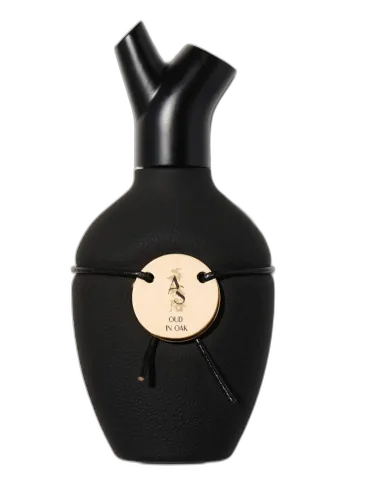
Scents of Wood
Oud In Oak Scents Of Wood
Shared top notes: agarwood (oud), labdanum, saffron
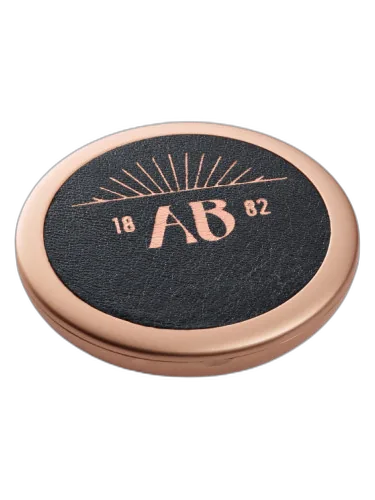
AB 1882
Narciris Ab 1882
Shared top notes: saffron, sandalwood, vetiver

Serge Lutens
Vetiver Oriental Serge Lutens
Shared top notes: amber, labdanum, sandalwood
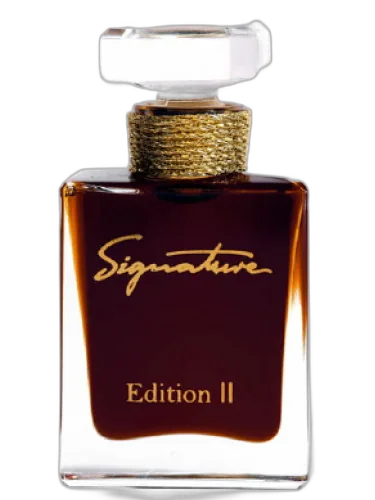
Signature Yashmagh
Edition 2 Signature Yashmagh
Shared top notes: agarwood (oud), amber, saffron
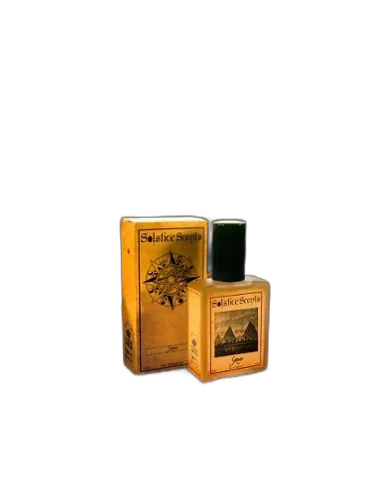
Solstice Scents
Sirocco Solstice Scents
Shared top notes: agarwood (oud), saffron, sandalwood