


Hind Maison Anthony Marmin
At a glance
Is Hind Maison Anthony Marmin worth trying?
Hind by Maison Anthony Marmin is a fragrance for women and men.
- Best match
- Evening wear in Fall
- Performance feel
- Good longevity with Moderate sillage
- Signature profile
- woody, warm spicy, rose with Spices, Taif Rose, Sweet Notes
The first impression
Hind by Maison Anthony Marmin is a fragrance for women and men. The nose behind this fragrance is Anthony Abdul Karim Marmin.
What shapes the scent
The perfumer behind it

Anthony Abdul Karim Marmin
Anthony Abdul Karim Marmin is a perfumer closely associated with the house of Abdul Karim Al Faransi, where he has created a wide range of fragrances. His style spans bold, resinous compositions like Amber 4000 and Amber Afghani, as well as more complex, evocative scents such as Al Quds and Amazonia. Known for blending traditional Middle Eastern ingredients with modern accords, his work often features rich amber, oud, and spice notes.
Notes pyramid
All Notes
Complete scent profile
 Spices
 Taif Rose
Sweet Notes
Taif Rose
Sweet Notes
 Sandalwood
 Amber
Amber
 Woody Notes
The mood it creates
The Alchemist Archetype: Portrait of Hind Maison Anthony Marmin
Essence
This person is most closely aligned with the Sage-a seeker of wisdom, drawn to the hidden meanings of existence. The fragrance they adore, Hind Maison Anthony Marmin, is not merely a scent but an olfactory sigil-an incense of introspection, blending oud’s depth with spices that evoke ancient libraries and sacred rituals. Like the Sage, they are a collector of knowledge, not for prestige but for the quiet thrill of unraveling mysteries. Yet, the Sage’s shadow looms: an over-reliance on intellect, a tendency to detach from the visceral, and a subtle arrogance in believing they alone see the truth.
Shadow
Yet wisdom, when unchecked, becomes a cage. They can disappear into thought, growing distant from those who crave their presence. Their pursuit of truth sometimes blinds them to simpler joys-a sunset needs no analysis to be beautiful. Worse still, they may dismiss those who think differently, mistaking their own insights for universal law. Their shadow is the Hermit who never returns, hoarding knowledge like a dragon with gold, forgetting that wisdom must be shared to breathe.
Conclusion
Their tastes are deliberate, curated with the precision of an alchemist. They prefer the weight of a leather-bound book over digital screens, the slow burn of aged whiskey to hasty cocktails, and conversations that meander into metaphysics rather than idle gossip. Their wardrobe is understated yet textured-linen, wool, perhaps a vintage piece with a story. They are drawn to places where time moves differently: dimly lit cafés, secondhand bookshops, or the quiet corners of art galleries.
Philosophy is not an abstract exercise for them but a lived experience. They might quote Heraclitus or Rumi in passing, not to impress but because these thinkers are their silent companions. Their values center on authenticity-they despise pretense, though they are not immune to it themselves. They seek relationships that mirror their depth, friendships built on mutual fascination rather than convenience. Romantic partners must be both confidants and challengers, capable of sparring intellectually without reducing love to a debate.
If you like this, try these
Fragrances with a comparable profile - shared accords, notes, and character.
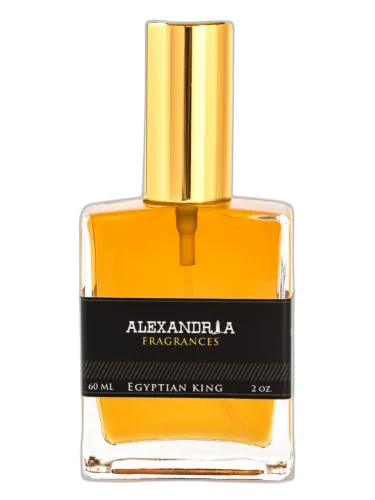
Alexandria Fragrances
Egyptian King Alexandria Fragrances
Shared top notes: amber, sandalwood, spices
Fueguia 1833
Valle De La Luna Fueguia 1833
Shared top notes: amber, sandalwood
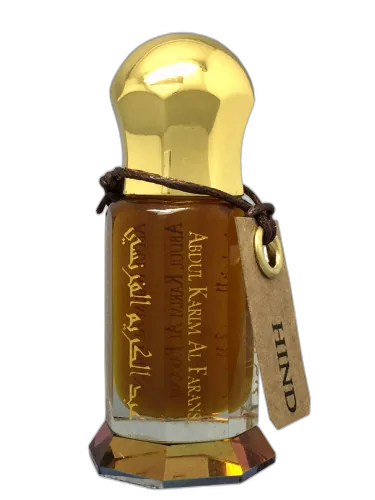
Abdul Karim Al Faransi
Hind Abdul Karim Al Faransi
Shared top notes: sweet notes, taif rose
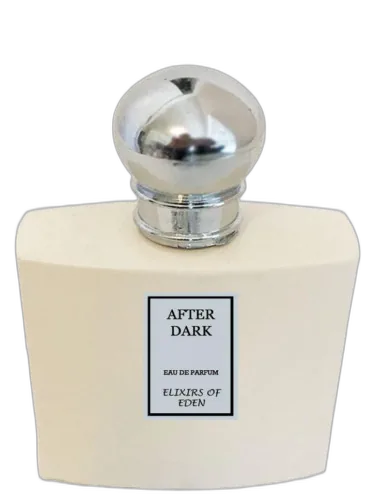
Elixirs Of Eden
After Dark Elixirs Of Eden
Shared top notes: amber, sandalwood, spices
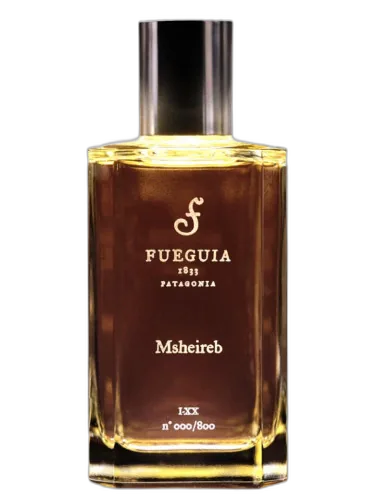
Fueguia 1833
Msheireb Fueguia 1833
Shared top notes: amber, sandalwood