
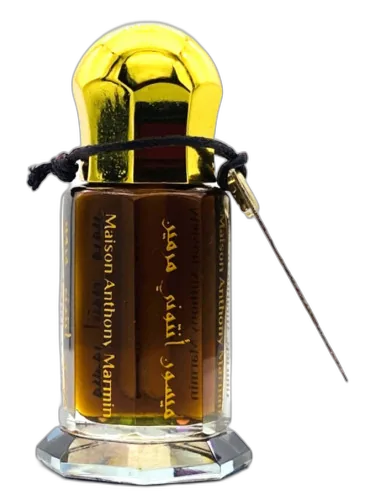

Oud Al Amir Maison Anthony Marmin
At a glance
Is Oud Al Amir Maison Anthony Marmin worth trying?
Oud Al Amir by Maison Anthony Marmin is a fragrance for men.
- Best match
- Evening wear in Winter
- Performance feel
- Excellent longevity with Strong sillage
- Signature profile
- woody, sweet, animalic with Cambodian Oud, Woody Notes, Honey
The first impression
Oud Al Amir by Maison Anthony Marmin is a fragrance for men. The nose behind this fragrance is Anthony Abdul Karim Marmin.
What shapes the scent
The perfumer behind it

Anthony Abdul Karim Marmin
Anthony Abdul Karim Marmin is a perfumer closely associated with the house of Abdul Karim Al Faransi, where he has created a wide range of fragrances. His style spans bold, resinous compositions like Amber 4000 and Amber Afghani, as well as more complex, evocative scents such as Al Quds and Amazonia. Known for blending traditional Middle Eastern ingredients with modern accords, his work often features rich amber, oud, and spice notes.
Notes pyramid
All Notes
Complete scent profile
 Cambodian Oud
 Woody Notes
 Honey
Honey
 Dried Fruits
 Smoke
Smoke
 Caramel
 Sweet Notes
Fruits
Sweet Notes
Fruits
The mood it creates
The Sovereign Archetype: Portrait of Oud Al Amir Maison Anthony Marmin
Essence
The person who gravitates toward Oud Al Amir by Maison Anthony Marmin is one who commands presence without demanding it. Their archetype is The Sovereign-a ruler not of others, but of their own domain. They embody authority, refinement, and an unshakable sense of self. Like the deep, resinous warmth of oud, they exude an aura of timeless dignity, a quiet magnetism that draws others in without overt persuasion.
This is not the ruler who governs through force, but through wisdom and an innate understanding of balance. They are drawn to the opulence of oud because it mirrors their own layered complexity-rich, enduring, and impossible to ignore. Yet, like all archetypes, The Sovereign has a shadow: the risk of becoming rigid, detached, or overly enamored with their own grandeur.
Relationships
The Sovereign does not collect friends; they cultivate alliances. Their relationships are few but profound, built on mutual respect rather than neediness. They are the confidant others turn to in crisis, the steady hand in chaos. Yet, their emotional reserve can be mistaken for coldness. They do not easily reveal vulnerability, seeing it as a surrender of control.
Romantically, they are drawn to equals-those who challenge them without diminishing them. Their love is not possessive but reverential, a bond of shared power rather than dependence. However, their shadow may emerge here: a tendency to dominate subtly, to expect deference without realizing it.
Shadow
The Sovereign’s greatest strength-their unyielding self-assurance-can also be their undoing. When unbalanced, they may slip into arrogance, dismissing perspectives that do not align with their own. Their love of tradition can harden into resistance to change, their discernment into elitism.
At their worst, they become the tyrant they never wished to be-not through cruelty, but through an inability to bend. The challenge for them is to remember that true sovereignty lies not in isolation, but in the wisdom to listen, even when they believe they already know.
Conclusion
Their tastes are deliberate, never accidental. They prefer the weight of history in their choices-antique furniture with stories etched into the wood, tailored garments that speak of craftsmanship rather than trends, literature that has weathered decades or centuries. Their home is a sanctuary, each object placed with intention, as if curating a museum of their own existence.
Philosophically, they believe in the power of legacy. They do not chase immortality but seek to leave an imprint-whether through art, mentorship, or the quiet influence they wield in their circles. Their values are rooted in integrity and discernment; they despise falseness, preferring silence over empty words.
If you like this, try these
Fragrances with a comparable profile - shared accords, notes, and character.
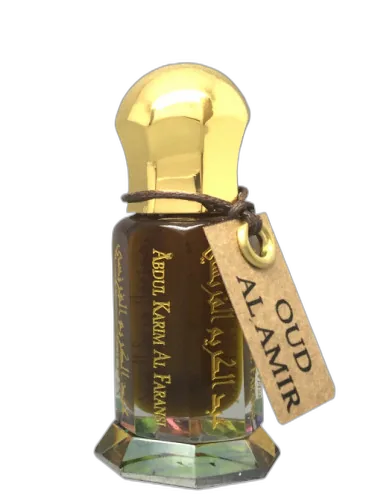
Abdul Karim Al Faransi
Oud Al Amir Abdul Karim Al Faransi
Shared top notes: caramel, woody notes
Abdul Karim Al Faransi
Wild Oud Cambodi Abdul Karim Al Faransi
Shared top notes: smoke, woody notes
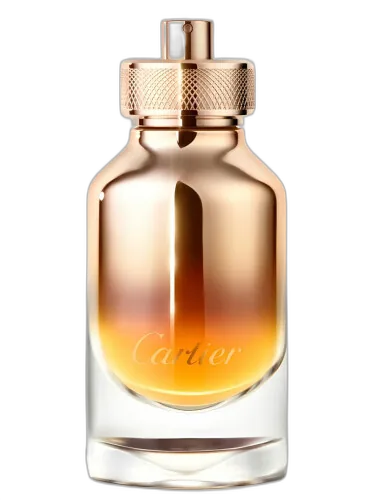
Cartier
L'envol De Cartier Parfum Cartier
Shared top notes: honey
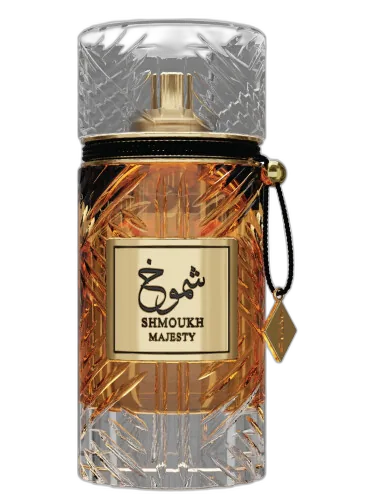
FAAN
Shmoukh Majesty Faan
Shared top notes: sweet notes
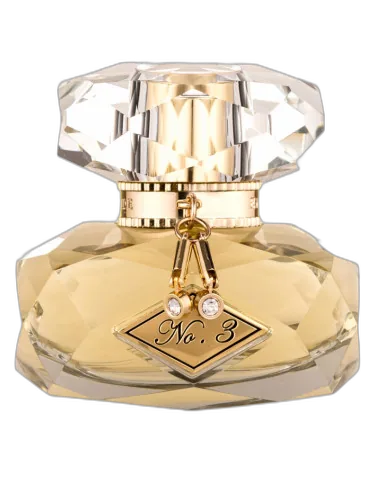
Emirates Pride Perfumes
Scentastic No. 3 Emirates Pride Perfumes
Shared top notes: honey