
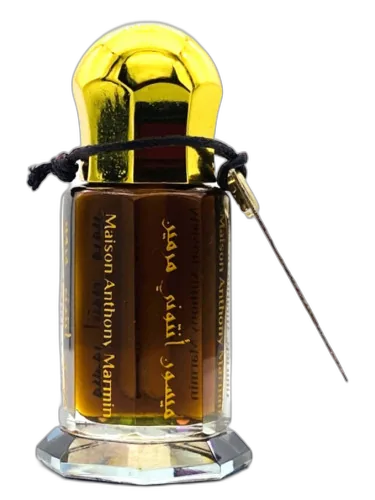
Oud Al Fares Maison Anthony Marmin
At a glance
Is Oud Al Fares Maison Anthony Marmin worth trying?
Oud Al Fares by Maison Anthony Marmin is a fragrance for men.
- Best match
- Evening wear in Winter
- Performance feel
- Excellent longevity with Strong sillage
- Signature profile
- woody, citrus, oud with Agarwood (Oud), Bark, Cambodian Oud
The first impression
Oud Al Fares by Maison Anthony Marmin is a fragrance for men. The nose behind this fragrance is Anthony Abdul Karim Marmin.
What shapes the scent
The perfumer behind it

Anthony Abdul Karim Marmin
Anthony Abdul Karim Marmin is a perfumer closely associated with the house of Abdul Karim Al Faransi, where he has created a wide range of fragrances. His style spans bold, resinous compositions like Amber 4000 and Amber Afghani, as well as more complex, evocative scents such as Al Quds and Amazonia. Known for blending traditional Middle Eastern ingredients with modern accords, his work often features rich amber, oud, and spice notes.
Notes pyramid
All Notes
Complete scent profile
 Agarwood (Oud)
 Bark
Bark
 Cambodian Oud
 Vanilla
 Bergamot
 Tangerine
The mood it creates
The Explorer Archetype: Portrait of Oud Al Fares Maison Anthony Marmin
Essence
The person who favors Oud Al Fares by Maison Anthony Marmin is most closely aligned with the Ruler archetype, though not in the tyrannical sense. This is a sovereign of their own domain-someone who commands presence without needing to dominate. The Ruler seeks order, excellence, and mastery, but unlike the rigid authoritarian, they wield influence with subtlety. Oud Al Fares, with its regal blend of smoky oud, leather, and spices, is not a fragrance for the passive or uncertain. It is worn by someone who understands power as something to be refined, not seized.
This archetype thrives on control-not over others, but over their own destiny. They are the architects of their lives, shaping their environment with deliberate precision. Yet, like all rulers, they risk the shadow of rigidity, an unwillingness to bend when life demands fluidity.
Shadow
Their strength lies in their unwavering self-possession. They move through the world with quiet authority, unshaken by chaos. When others falter, they remain composed, offering solutions rather than complaints. They are the steady hand in a crisis, the voice of reason in tumult.
Yet their shadow is the danger of inflexibility. The same discipline that fortifies them can harden into dogma. They may mistake control for wisdom, dismissing spontaneity as recklessness. Their high standards, if unchecked, can become a rod with which they measure-and inevitably find lacking-those around them.
They may also struggle with vulnerability. To admit weakness feels like a relinquishment of sovereignty, and so they may armor themselves too well, leaving even their closest companions unsure of their true depths.
Conclusion
The Ruler who wears Oud Al Fares is both formidable and, at times, isolated. Their strength is their self-mastery, but their challenge is to remember that even the most steadfast trees must bend in the storm. To rule oneself is noble; to forget the humanity in others is the shadow they must always guard against.
Yet when balanced, they are a force of rare integrity-a sovereign not by birthright, but by the relentless pursuit of becoming.
If you like this, try these
Fragrances with a comparable profile - shared accords, notes, and character.
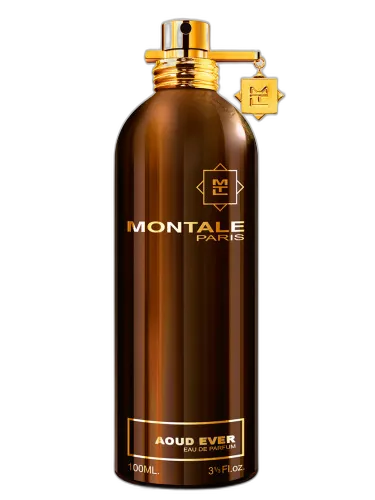
Montale
Aoud Ever Montale
Shared top notes: agarwood (oud), bergamot
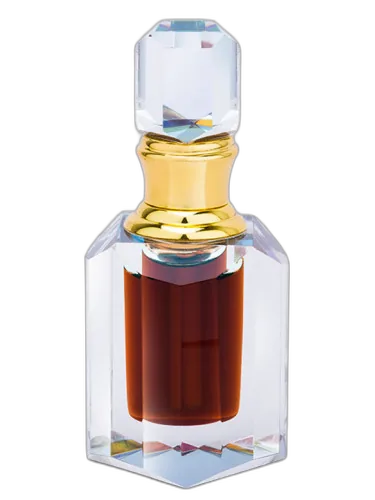
Swiss Arabian
Dehn El Oud Shaheen Swiss Arabian
Shared top notes: agarwood (oud), cambodian oud
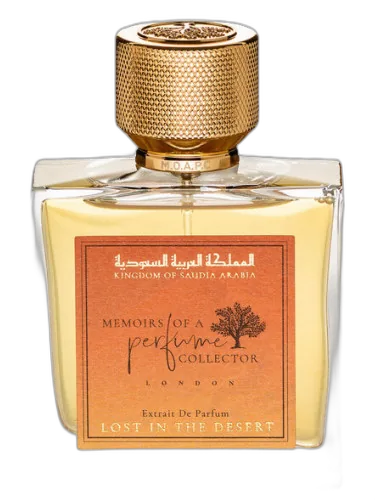
Memoirs Of A Perfume Collector
Lost In The Desert Memoirs Of A Perfume Collector
Shared top notes: bergamot, vanilla
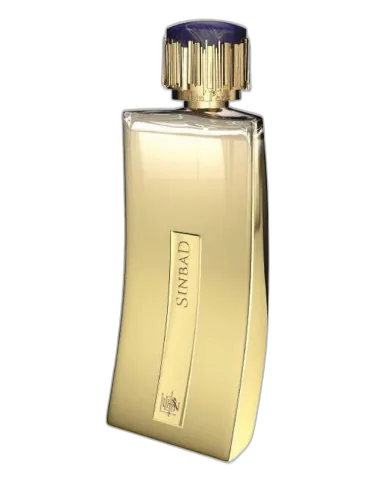
Lubin
Sinbad Lubin
Shared top notes: bergamot, tangerine
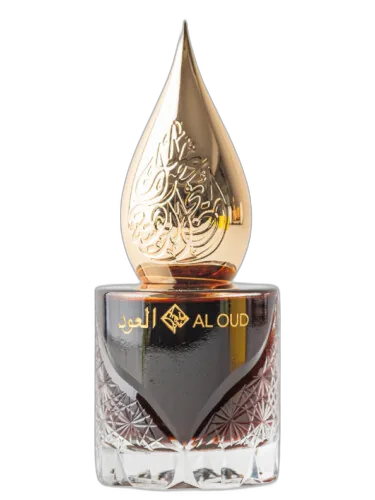
Areej Le Doré
Al Oud Areej Le Doré
Shared top notes: bergamot