


Sheikh Al Burmi Maison Anthony Marmin
At a glance
Is Sheikh Al Burmi Maison Anthony Marmin worth trying?
Sheikh Al Burmi by Maison Anthony Marmin is a fragrance for women and men.
- Best match
- Evening wear in Fall
- Performance feel
- Excellent longevity with Strong sillage
- Signature profile
- oud, fresh spicy with Agarwood (Oud)
The first impression
Sheikh Al Burmi by Maison Anthony Marmin is a fragrance for women and men. The nose behind this fragrance is Anthony Abdul Karim Marmin.
What shapes the scent
The perfumer behind it

Anthony Abdul Karim Marmin
Anthony Abdul Karim Marmin is a perfumer closely associated with the house of Abdul Karim Al Faransi, where he has created a wide range of fragrances. His style spans bold, resinous compositions like Amber 4000 and Amber Afghani, as well as more complex, evocative scents such as Al Quds and Amazonia. Known for blending traditional Middle Eastern ingredients with modern accords, his work often features rich amber, oud, and spice notes.
Notes pyramid
All Notes
Complete scent profile
 Agarwood (Oud)
The mood it creates
The Sage Archetype: Portrait of Sheikh Al Burmi Maison Anthony Marmin
Essence
The person who cherishes Sheikh Al Burmi by Maison Anthony Marmin is, above all, a seeker of wisdom. Their soul resonates with the Sage archetype, drawn to the fragrance’s deep, contemplative oud, smoky resins, and earthy spices-notes that evoke ancient libraries, sacred rituals, and the slow burn of intellectual inquiry. Like the Sage, they are not content with superficial truths; they crave knowledge that is earned, tested, and worn like a well-aged leather binding.
Yet the Sage is not merely a scholar in an ivory tower. They are a guide, a keeper of hidden wisdom, one who distills complexity into clarity. The scent they choose reflects this: it is rich, layered, and demands patience to be fully understood.
Style & Aesthetic
Their aesthetic is one of timeless refinement-dark woods, well-worn books, tailored but unpretentious clothing. They favor materials that age beautifully: linen, leather, brass. Their home is a sanctuary of order and meaning, where every object has been chosen with deliberation. They may collect rare books, antique maps, or artifacts from distant cultures, not as mere decorations but as fragments of a larger intellectual puzzle.
In music, they gravitate toward compositions that unfold slowly-Baroque fugues, Sufi chants, or jazz that rewards deep listening. Their palate is equally discerning: they savor single-origin coffee, aged spirits, and meals that tell a story of tradition and craftsmanship.
Philosophy & Values
Truth is their compass, but not in the rigid sense of dogma. They believe in the pursuit of understanding, not just its possession. They are skeptical of easy answers, preferring questions that lead to deeper mysteries. Their morality is rooted in discernment-they distrust blind faith in institutions but respect wisdom wherever it is found, whether in ancient texts or modern science.
They value independence of thought, often standing apart from popular opinion. Yet this can make them seem aloof, even arrogant. Their greatest fear is intellectual stagnation-the horror of becoming one who stops questioning.
Relationships
They are not gregarious by nature, but their presence carries weight. They attract those who hunger for insight, and their conversations are rituals of exchange-each word measured, each silence meaningful. Their closest bonds are with fellow seekers, those who respect the sanctity of a well-formed idea.
Yet intimacy is a challenge. The Sage’s mind is a fortress, and they may struggle to lower the drawbridge for raw emotion. They can be overly analytical in love, dissecting feelings rather than surrendering to them. Their partners may feel like students rather than equals, admired but never fully known.
Shadow
When unbalanced, the Sage becomes the Hermit who confuses isolation with wisdom. They may dismiss those who think differently as fools, retreating into a self-made citadel of certainty. Their pursuit of knowledge turns into a vanity, where being right matters more than being connected.
Conclusion
Their greatest strength-their intellect-can also be their prison. They may analyze life rather than live it, turning every experience into an abstraction. Love becomes a theory, joy a philosophical concept. The world passes them by as they remain lost in thought.
If you like this, try these
Fragrances with a comparable profile - shared accords, notes, and character.

Rasei Fort
Last Of D’agar Rasei Fort
Shared top notes: agarwood (oud)

Areej Le Doré
The History Of Kinam Oud Areej Le Doré
Shared top notes: agarwood (oud)
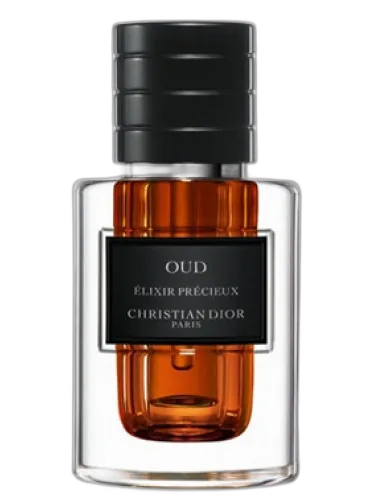
Dior
Oud Elixir Precieux Dior
Shared top notes: agarwood (oud)
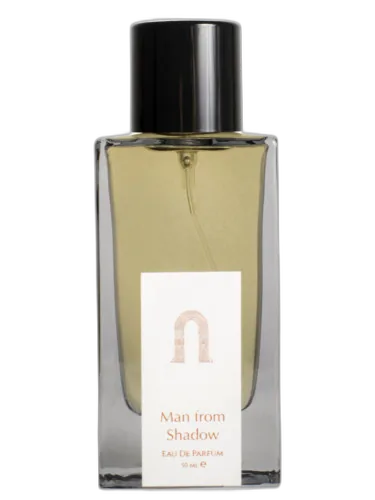
NSHQ
A Man Of Shadow Nshq
Shared top notes: agarwood (oud)
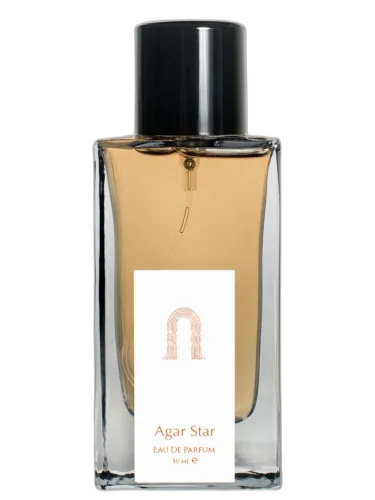
NSHQ
Agar Star Nshq
Shared top notes: agarwood (oud)