
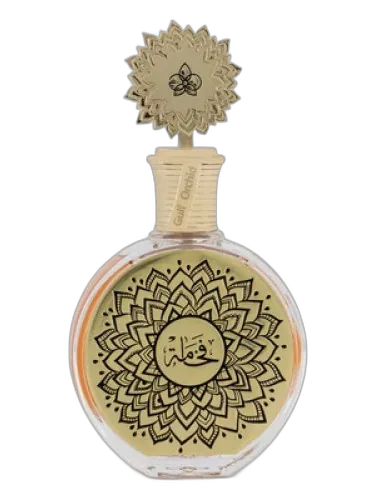
Fakhama Maison Asrar
At a glance
Is Fakhama Maison Asrar worth trying?
Fakhama by MAISON ASRAR is a Oriental Floral fragrance for women and men.
- Best match
- Evening wear in Fall
- Performance feel
- Excellent longevity with Strong sillage
- Signature profile
- white floral, sweet, vanilla with Gourmand Accord, African Orange Flower, Vanilla
The first impression
Fakhama by MAISON ASRAR is a Oriental Floral fragrance for women and men. This is a new fragrance. Fakhama was launched in 2022. Top notes are Gourmand Accord and African Orange Flower; middle notes are Vanilla and White Flowers; base note is Musk.
What shapes the scent
The perfumer behind it

Mohammed Asrar
Mohammed Asrar is the creative force behind MAISON ASRAR, known for his opulent and intricate fragrances. Fakhama exemplifies his talent for blending rare ingredients into lavish, memorable scents. His work often draws from Middle Eastern traditions while embracing modern techniques. He creates perfumes that feel both timeless and innovative.
Notes pyramid
Top Notes
First impression · 15-30 min
 Gourmand Accord
 African Orange Flower
Heart Notes
Core character · 2-4 hours
 Vanilla
 White Flowers
Base Notes
Lasting impression · 4+ hours
 Musk
Musk
The mood it creates
The Archetype Archetype: Portrait of Fakhama Maison Asrar
Essence
The one who chooses Fakhama Maison Asrar is ruled by the Sovereign archetype-a figure of quiet authority, refined taste, and an unshakable sense of self. This fragrance, with its rich blend of oud, saffron, and amber, is not merely worn; it is an assertion of presence. The Sovereign does not demand attention-they command it effortlessly. Their essence is one of controlled power, an elegance that does not shout but lingers in the air long after they have left the room.
Yet, like all archetypes, the Sovereign has a shadow. Beneath the poise lies a fear of vulnerability, a resistance to being truly known. Their dignity can harden into aloofness, their discernment into judgment. They do not merely exist-they reign, and sometimes, the throne isolates them.
Relationships
They do not have many friends, but the ones they keep are bound by unspoken loyalty. Their love is not given lightly; it is earned. In romance, they seek an equal-someone who understands that passion is not wild abandon but a slow, deliberate burn.
But intimacy is their greatest challenge. They struggle to reveal weakness, to admit they too have doubts. Their partner may adore them, yet wonder if they are truly known by them.
Shadow
When the Sovereign falls into their shadow, they become the Tyrant. Their discernment turns to disdain. Their confidence hardens into arrogance. They may dismiss others as unworthy, forgetting that even kings must kneel before time.
The antidote? Humility-not self-effacement, but the recognition that true power lies in connection. The greatest Sovereigns do not rule alone; they inspire others to rise.
Conclusion
Fakhama Maison Asrar is not just a scent-it is a statement. The one who wears it does not seek to be loved by all, only remembered by the right few. They are a paradox: both untouchable and deeply human.
And perhaps, in the quiet moments when no one is watching, they too wonder: Is this enough? But then they inhale the spice and smoke of their chosen fragrance, and remember-they were born to leave a mark.
If you like this, try these
Fragrances with a comparable profile - shared accords, notes, and character.
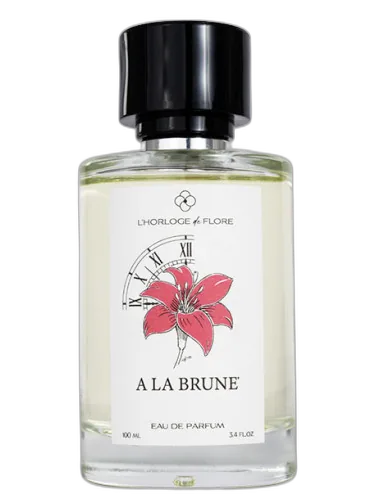
L'Horloge de Flore
A La Brune L'horloge De Flore
Shared heart notes: white flowers

Fleurage
White Flowers Botanical Parfum Fleurage
Shared heart notes: white flowers
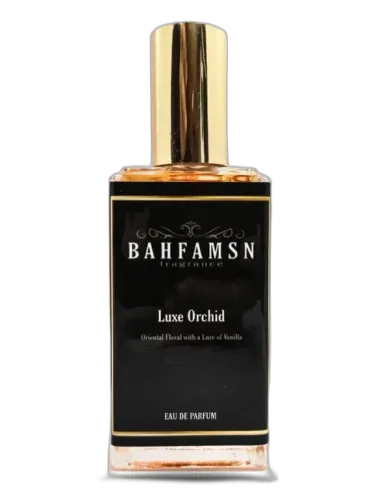
Bahfamsn Fragrance
Luxe Orchid Bahfamsn Fragrance
Shared heart notes: vanilla
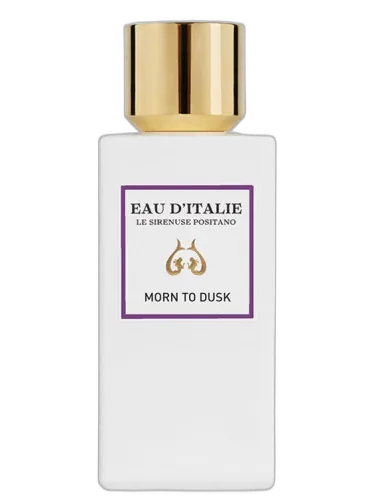
Eau D'Italie
Morn To Dusk Eau D'italie
Shared heart notes: vanilla
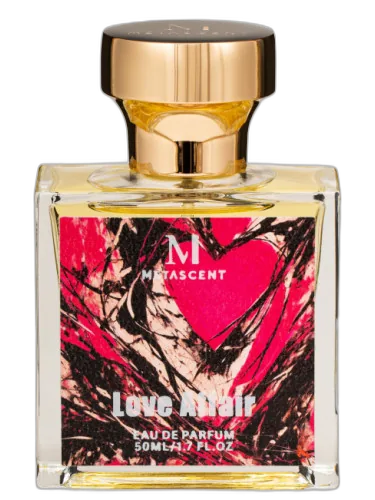
MetaScent
Love Affair Metascent
Shared heart notes: white flowers