


Cathédrale Maison De Parfum Berry
Fragrance Story
Cathédrale by Maison de Parfum Berry is a Aromatic fragrance for women and men. Cathédrale was launched in 2017. The nose behind this fragrance is Anatole Lebreton. Top notes are Atlas Cedar and Bergamot; middle notes are Kyara Incense, Moss and Lavender; base notes are Musk and Benzoin.
Composition Profile
About the Perfumer

Anatole Lebreton
Anatole Lebreton is an independent French perfumer known for his artisanal approach and deep respect for raw materials. His olfactory style blends natural ingredients with bold, narrative-driven compositions that often evoke memory and place. Notable creations from our catalog include the luminous woody warmth of Bois Lumière, the gourmand comfort of Brioche, and the dark, resinous complexity of Grimoire.
Fragrance Notes
Top Notes
First impression · 15-30 min
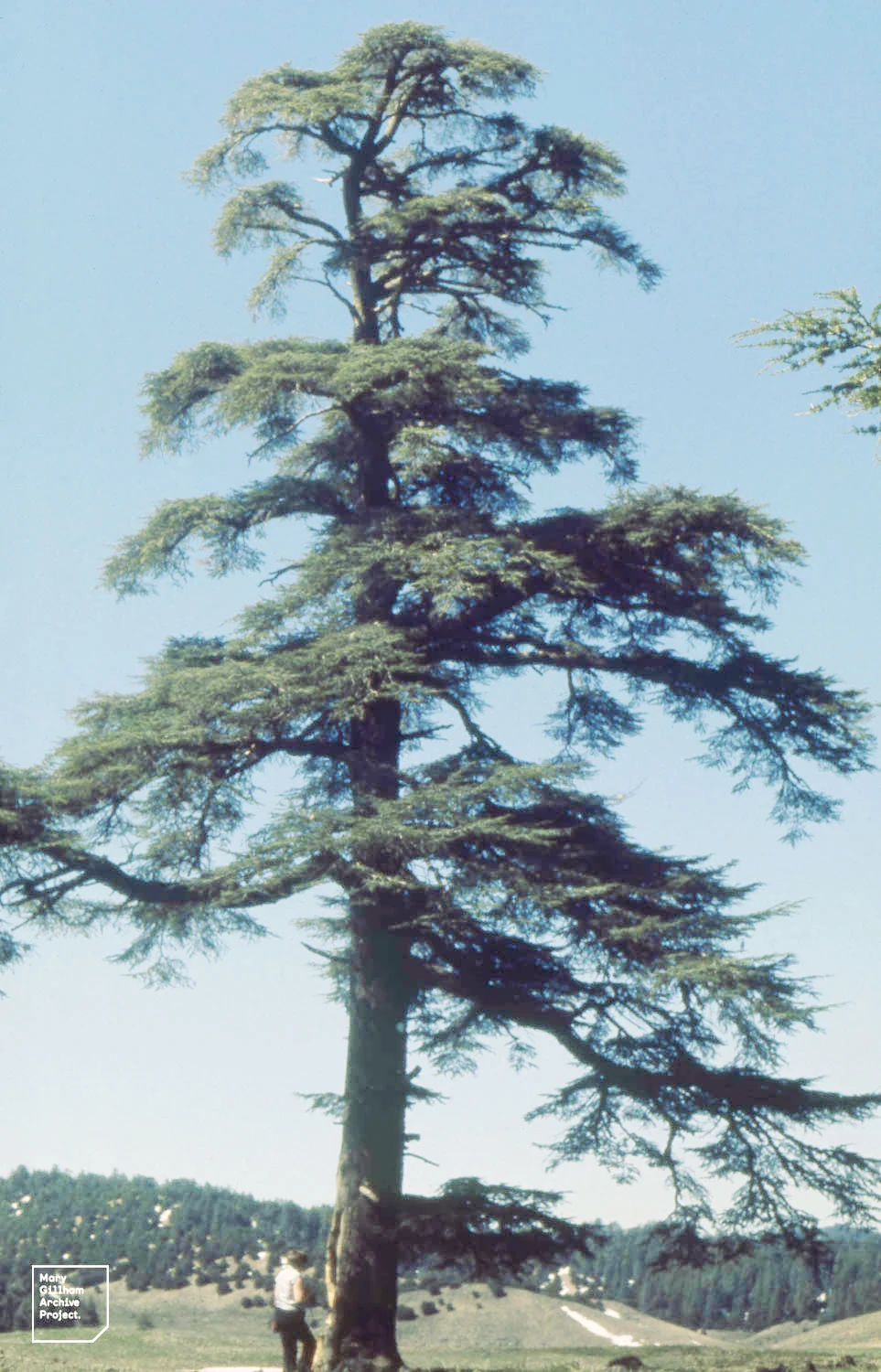 Atlas Cedar
 Bergamot
Heart Notes
Core character · 2-4 hours
 Kyara Incense
Moss
Kyara Incense
Moss
 Lavender
Base Notes
Lasting impression · 4+ hours
 Musk
Musk
 Benzoin
Cathédrale Maison De Parfum Berry by Maison de Parfum Berry offers a distinctive olfactory experience that stands out from other fragrances in its category.
Crafted with the finest ingredients and a blend of traditional and modern perfumery techniques, this fragrance represents the pinnacle of the perfumer's art.
Cathédrale Maison De Parfum Berry embodies the distinctive style of Maison de Parfum Berry while adding a unique chapter to their fragrance portfolio.
Character Profile
The Mystic Archetype: Portrait of Cathédrale Maison De Parfum Berry
Essence
This person is most closely aligned with the Sage-a seeker of wisdom, drawn to the profound and the enigmatic. The fragrance Cathédrale by Maison De Parfum Berry, with its solemn incense, velvety woods, and faintly sweet berries, mirrors their contemplative nature. Like a medieval scholar in a dimly lit scriptorium, they are drawn to the interplay of light and shadow, knowledge and mystery. The scent is neither purely sacred nor entirely worldly-it lingers in the liminal space between, much like their mind.
Style & Aesthetic
Their appearance is deliberate but never ostentatious. They favor textures that whisper rather than shout-soft wool, aged leather, linen that carries the faint creases of thought. Their palette is muted but rich: deep burgundies, charcoal grays, the occasional flash of gold like a half-hidden insight.
They are drawn to spaces that feel lived-in but not cluttered-a well-worn armchair beside a bookshelf where philosophy mingles with poetry, a single candle burning low. Their home is a sanctuary, not for escape, but for deeper engagement with the world.
They move through life with a measured pace, savoring rituals-morning tea in silence, evening walks where the mind wanders freely. They are drawn to places of quiet grandeur: old libraries, cathedrals, forests where time feels suspended. Work, for them, must have meaning beyond utility; they thrive in roles that allow for reflection-writing, teaching, research, or the arts.
But their reverence for depth can become escapism. They may romanticize solitude to the point of detachment, avoiding the messiness of lived experience in favor of the purity of thought. Their shadow is the scholar who forgets to live.
Philosophy & Values
Truth is their guiding star, though they understand it is rarely absolute. They are drawn to paradoxes, believing wisdom lies in holding contradictions without dissolving them. Their philosophy is not one of rigid doctrine but of fluid inquiry-questioning, refining, discarding, and rebuilding. They value depth over dogma, nuance over simplicity.
Yet, this pursuit of wisdom can become a labyrinth. They may over-intellectualize emotions, mistaking analysis for understanding. Their shadow emerges when their love of wisdom turns into a fear of certainty-paralyzed by the infinite layers of meaning, they may struggle to act decisively.
Relationships
They are not a solitary recluse, but their connections are carefully chosen. Conversations with them are slow-burning-they listen intently, respond thoughtfully, and prefer dialogue that lingers in the realm of ideas rather than gossip. Their friendships are few but enduring, built on mutual respect for depth and authenticity.
Yet, their intellectual intensity can be isolating. They may unconsciously dismiss those who don’t share their preoccupations, mistaking simplicity for shallowness. Their shadow here is a quiet arrogance-the unspoken belief that their way of seeing is superior.
Conclusion
At their best, they are a beacon of insight, guiding others toward deeper understanding without dogma. At their worst, they become lost in their own labyrinth, mistaking the map for the territory.
Cathédrale is their scent because it, too, is a meditation-a fragrance that does not announce itself but lingers, asking to be contemplated. And so they move through the world: not loudly, but indelibly.
Similar Fragrances
Fragrances with a comparable profile - shared accords, notes, and character.
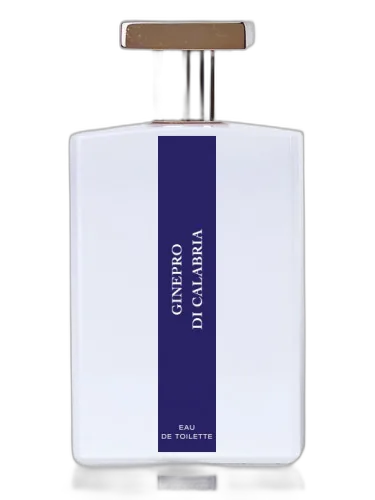
Officine del Profumo
Ginepro Di Calabria Officine Del Profumo
Shared accords: amber, aromatic, citrus

Areej Le Doré
Musk Lave Areej Le Doré
Shared accords: amber, aromatic, citrus

Zazil
Relax Zazil
Shared accords: aromatic, citrus, earthy

Saint d'Ici
A Fern Saint D'ici
Shared accords: amber, aromatic, citrus

Ava Luxe
Mousse De Chine Ava Luxe
Shared accords: amber, aromatic, citrus