
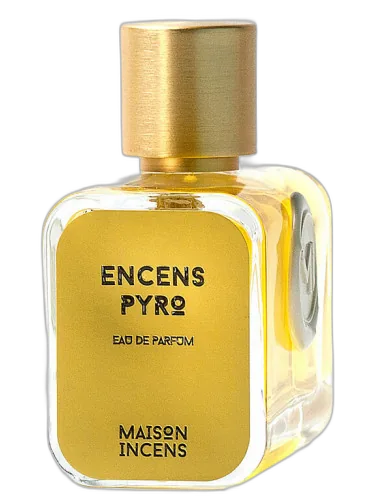

Encens Pyro Maison Incens
At a glance
Is Encens Pyro Maison Incens worth trying?
Encens Pyro by Maison Incens is a Oriental Spicy fragrance for women and men.
- Best match
- Evening wear in Winter
- Performance feel
- Excellent longevity with Strong sillage
- Signature profile
- warm spicy, animalic, woody with Fire, Spicy Notes, Bergamot
The first impression
Encens Pyro by Maison Incens is a Oriental Spicy fragrance for women and men. Encens Pyro was launched in 2020. The nose behind this fragrance is Eric Gigodot. Top notes are Fire, Spicy Notes and Bergamot; middle notes are Olibanum, Animal notes, Honey, Iris, Cedar and Jasmine; base notes are Leather, Musk, Patchouli, Sandalwood, Vanilla and Sweet Notes.
What shapes the scent
The perfumer behind it

Eric Gigodot
Eric Gigodot is a perfumer known for his work with Maison Incens and Parfumeurs du Monde. He has crafted incense-focused fragrances such as Encens Kapnos and Encens Pyro. Gigodot also created Tundzha, a scent inspired by the river in Bulgaria.
Notes pyramid
Top Notes
First impression · 15-30 min
 Fire
Fire
 Spicy Notes
 Bergamot
Heart Notes
Core character · 2-4 hours
 Olibanum
 Animal notes
 Honey
Honey
 Iris
Iris
 Cedar
Cedar
 Jasmine
Base Notes
Lasting impression · 4+ hours
 Leather
 Musk
Musk
 Patchouli
 Sandalwood
 Vanilla
Sweet Notes
Vanilla
Sweet Notes
The mood it creates
The Lover Archetype: Portrait of Encens Pyro Maison Incens
Essence
The one who wears Encens Pyro Maison Incens is not merely drawn to fragrance-they are drawn to transformation. Smoke, fire, and sacred resins swirl in this scent, evoking rituals both ancient and personal. This person is most closely aligned with the Mystic, an archetype that seeks communion with the unseen, the symbolic, and the sublime. They do not simply experience life; they interpret it, searching for hidden meanings in the mundane. Yet, like all archetypes, the Mystic has its shadow-a tendency toward escapism, self-deception, or an arrogance born of believing they alone perceive the deeper truths.
Style & Aesthetic
Their style is an extension of their inner fire. They favor textures that suggest ritual-dark wool, linen, leather, or flowing silhouettes that seem to belong to another era. Their wardrobe is not trendy but timeless, as if they are dressing for an audience of spirits rather than the present moment. Jewelry, if they wear it, is likely symbolic: talismans, sigils, or rough-hewn stones that carry personal significance.
Their living space is a temple of their own making. Candles, incense, and dim lighting create an atmosphere of contemplation. Bookshelves hold poetry, mythology, and treatises on the occult. There is little clutter, but every object is chosen with deliberation-nothing is merely decorative.
They are drawn to extremes-midnight walks through empty streets, predawn writing sessions, fasting, or feasting. Their work, if aligned with their nature, involves creation or interpretation: writing, art, therapy, or spiritual guidance. If trapped in a mundane job, they wither, becoming restless and cynical.
They are not ascetics, though. They understand the body’s role in ecstasy-fine wine, dark chocolate, the warmth of a bath after a long meditation. But indulgence is never mere hedonism; it is always a form of sacrament.
Philosophy & Values
To them, the world is a text written in symbols. They are drawn to philosophy, esoteric traditions, and art that disturbs as much as it enlightens. They might meditate on the writings of Jung, Nietzsche, or the mystics-Rumi, Hildegard of Bingen, or the alchemists. Their values are not conventional; they prize intensity over comfort, meaning over stability. They believe in the necessity of burning away illusions, even if the process is painful.
Yet, their pursuit of transcendence can make them impatient with the ordinary. They may disdain small talk, practical concerns, or those who seem content with superficial pleasures. Their shadow whispers that they are above the trivialities of daily life-a dangerous illusion, for even mystics must eat, pay bills, and navigate human relationships.
Relationships
They do not love lightly. Their relationships are either profound or nonexistent. They crave connections that feel fated, bonds that seem to echo across lifetimes. When they love, it is with a consuming intensity-but they are equally capable of withdrawing into solitude for long stretches.
Their shadow here is a reluctance to engage with the messiness of human imperfection. They may idealize love or friendship, then grow disillusioned when reality fails to match their vision. They must learn that true mysticism is not escape from the world, but engagement with it-ashes and all.
Shadow
The Mystic’s greatest danger is mistaking their inner world for the only reality. They may become dogmatic in their beliefs, dismissing those who do not share their vision. Their pursuit of depth can turn into a refusal to engage with life’s necessary banalities, leaving them isolated.
And when the fire burns too hot, they risk self-destruction-chasing visions at the expense of health, relationships, or sanity. The true test of their archetype is not in the heights they reach, but in their ability to return, again and again, to the earth-to live fully in both the smoke and the ashes.
Conclusion
Encens Pyro is not a fragrance for those who wish to merely smell pleasant. It is for those who wish to invoke-to call forth the sacred from the mundane. The person who wears it walks a razor’s edge between revelation and ruin, between the altar and the pyre. Their life is a ritual in progress, an ongoing act of creation and destruction. And in the end, perhaps that is the only way to live-burning, always burning, but never entirely consumed.
If you like this, try these
Fragrances with a comparable profile - shared accords, notes, and character.
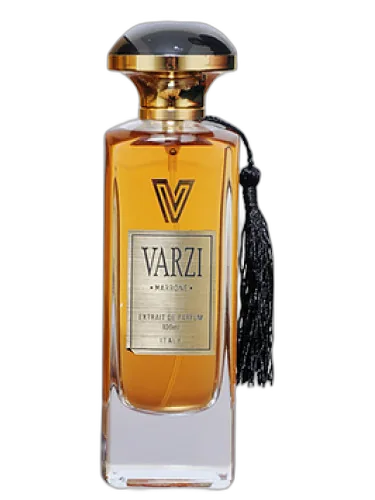
Varzi Artisanal Perfume
Marrone Varzi Artisanal Perfume
Shared top notes: bergamot
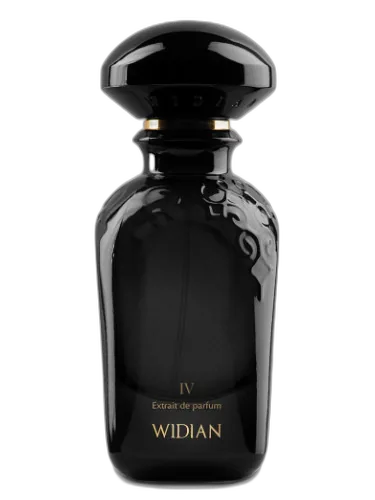
WIDIAN
Iv Widian
Shared top notes: bergamot
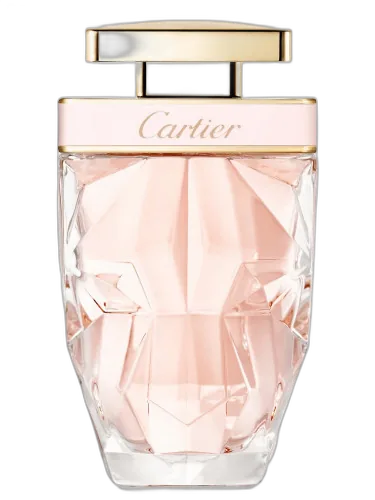
Cartier
La Panthere Eau De Toilette Cartier
Shared top notes: bergamot
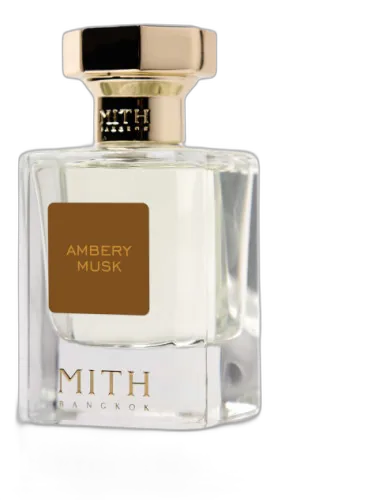
Mith
Ambery Musk Mith
Shared top notes: bergamot
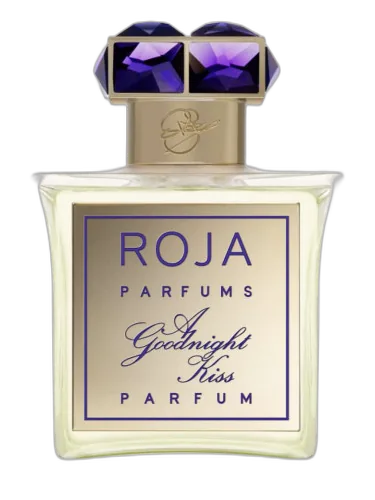
Roja Dove
A Goodnight Kiss Roja Dove
Shared top notes: bergamot