


Tea Escape Maison Martin Margiela
At a glance
Is Tea Escape Maison Martin Margiela worth trying?
Tea Escape by Maison Martin Margiela is a Floral fragrance for women.
- Best match
- Casual wear in Spring, Summer
- Performance feel
- Moderate longevity with Moderate sillage
- Signature profile
- green, lactonic, fresh spicy with Mint, Bergamot, Pink Pepper
The first impression
Tea Escape by Maison Martin Margiela is a Floral fragrance for women. Tea Escape was launched in 2014. The nose behind this fragrance is Fabrice Pellegrin. Top notes are Mint, Bergamot and Pink Pepper; middle notes are Green Tea, Jasmine and Osmanthus; base notes are Milk, Rice and Mate.
What shapes the scent
The perfumer behind it

Fabrice Pellegrin
Fabrice Pellegrin is a highly prolific French perfumer who has worked for Givaudan and created fragrances for numerous global brands. His catalog includes Adidas Energy Drive, Amouage Sunshine Man, and Aedes de Venustas Cierge De Lune. Pellegrin is known for his versatility across fresh, woody, and oriental compositions.
Notes pyramid
Top Notes
First impression · 15-30 min
 Mint
Mint
 Bergamot
 Pink Pepper
Heart Notes
Core character · 2-4 hours
 Green Tea
 Jasmine
 Osmanthus
Base Notes
Lasting impression · 4+ hours
 Milk
Milk
 Rice
Rice
 Mate
Mate
The mood it creates
The Wanderer Archetype: Portrait of Tea Escape Maison Martin Margiela
Essence
The Wanderer is the soul who finds home in movement, who seeks not a destination but the poetry of the journey itself. Tea Escape embodies this archetype through its luminous, transient beauty-a scent that feels like a fleeting afternoon in a Kyoto tea house, then dissolves into memory. The green tea and mint create a crisp, awakening freshness, while the lactonic rice and milk notes ground the wearer in a soft, comforting presence. This is not a fragrance of arrival but of passage, of moments suspended between departure and return.
Style & Aesthetic
Their style is effortless and understated, favoring linen, silk, and natural fibers in shades of pale green, cream, and soft white. They gravitate toward minimalist Japanese aesthetics-clean lines, uncluttered spaces, and objects that tell a story of craftsmanship. Their wardrobe is curated for comfort and movement: flowing trousers, oversized kimonos, and leather sandals worn smooth by travel. They carry a worn leather journal and a thermos of green tea, and their home smells of tatami mats and dried osmanthus.
Philosophy & Values
They believe in the beauty of impermanence, that the most profound experiences are often the most fleeting. Their values center on mindfulness, simplicity, and connection to nature. They seek authenticity in all things-food, relationships, art-and reject consumerism in favor of meaningful experiences. They practice wabi-sabi, finding grace in imperfection, and believe that true wealth is measured in moments of quiet wonder, not possessions.
Relationships
In relationships, they are gentle and attentive but resist being tied down. They form deep, soulful connections with fellow travelers and artists, but their need for freedom can make them elusive. They are the friend who sends a postcard from a remote village, the lover who shares a perfect sunset then vanishes. They inspire others with their openness but can leave a trail of wistful hearts. Their love is like the scent of green tea-warm, fleeting, and unforgettable.
Lifestyle
Their days are unstructured, guided by intuition rather than clocks. They wake early to meditate, practice yoga, or walk barefoot in dewy grass. They work remotely as a writer, photographer, or tea ceremony instructor, funding their travels with freelance projects. They eat simply-rice, vegetables, fresh herbs-and drink matcha from a handmade bowl. Evenings are spent journaling by candlelight or exploring unfamiliar streets. They own little but treasure each object: a chipped teacup, a pressed flower, a worn map.
Shadow
The Wanderer's shadow is a restless discontent, an inability to commit or find lasting satisfaction. They may romanticize every new place while never truly inhabiting any. The lightness that makes them enchanting can become emotional detachment, leaving others feeling like waypoints in their personal odyssey. The scent's fleeting nature mirrors this risk: the beauty of transience can tip into a fear of depth, of staying still long enough to be truly known.
Conclusion
Tea Escape is the fragrance of a soul in motion, a gentle invitation to savor the present moment without clinging to it. It reminds the Wanderer that home is not a place but a state of being-a quiet cup of tea, a breath of mint, the warmth of milk on the tongue. To wear it is to embrace the art of leaving, and the grace of arriving, again and again.
If you like this, try these
Fragrances with a comparable profile - shared accords, notes, and character.
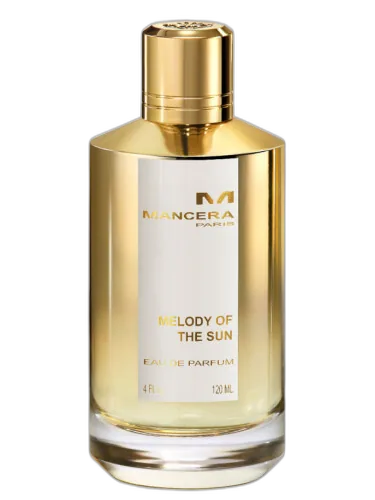
Mancera
Melody Of The Sun Mancera
Shared heart notes: green tea, jasmine, osmanthus

Memo Paris
Inlé Memo Paris
Shared top notes: bergamot, mint
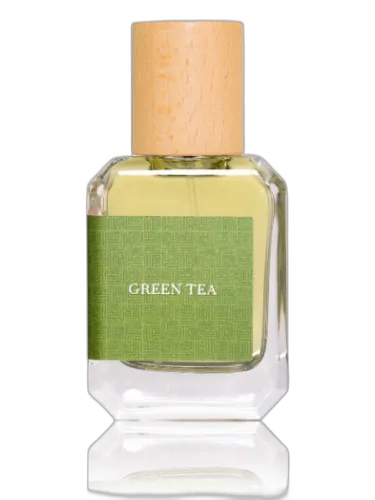
Proad
Green Tea Proad
Shared top notes: bergamot, pink pepper

Yves Rocher
So Elixir Eau De Toilette Yves Rocher
Shared top notes: bergamot, pink pepper

Bottega Veneta
Bottega Veneta Eau Legere Bottega Veneta
Shared top notes: bergamot, pink pepper