
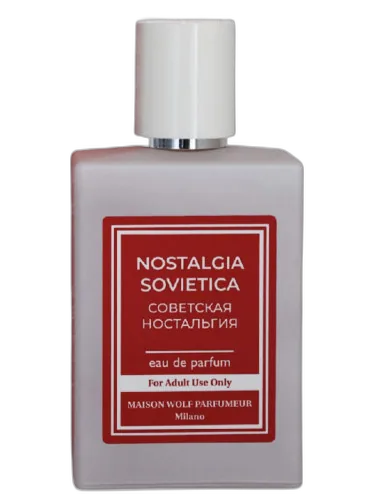
Nostalgia Sovietica Maison Wolf Parfumeur
At a glance
Is Nostalgia Sovietica Maison Wolf Parfumeur worth trying?
Nostalgia Sovietica by Maison Wolf Parfumeur is a Oriental fragrance for women and men.
- Best match
- Evening wear in Fall
- Performance feel
- Very Good longevity with Strong sillage
- Signature profile
- amber, warm spicy, tobacco with Tonka, Talc, Peach
The first impression
Nostalgia Sovietica by Maison Wolf Parfumeur is a Oriental fragrance for women and men. This is a new fragrance. Nostalgia Sovietica was launched in 2023. Top notes are Tonka, Talc and Peach; middle notes are Amber and Sandalwood; base notes are Patchouli, Tobacco and Cinnamon.
What shapes the scent
The perfumer behind it

Olivier Wolf
Olivier Wolf is the founder of Maison Wolf Parfumeur, where he creates evocative and narrative-driven fragrances. His compositions often draw inspiration from historical and cultural themes, resulting in deeply personal scents. Wolf's work is characterized by its complexity and emotional resonance, appealing to niche fragrance enthusiasts. His dedication to storytelling through scent sets him apart in the world of perfumery.
Notes pyramid
Top Notes
First impression · 15-30 min
 Tonka
Tonka
 Talc
Talc
 Peach
Peach
Heart Notes
Core character · 2-4 hours
 Amber
Amber
 Sandalwood
Base Notes
Lasting impression · 4+ hours
 Patchouli
 Tobacco
 Cinnamon
The mood it creates
The Sovietica Admirer Archetype: Portrait of Nostalgia Sovietica Maison Wolf Parfumeur
Essence
To wear Nostalgia Sovietica by Maison Wolf Parfumeur is to carry the scent of memory-not mere personal recollection, but the weight of collective history, the bittersweet residue of a world that once was. This fragrance, with its blend of metallic rigidity and warm, earthy undertones, speaks to a soul who dwells in the liminal space between past and present, between idealism and disillusionment.
Above all, this person is defined by the Sage archetype-the seeker of truth, the keeper of wisdom, the one who looks backward to understand the present. Unlike the naive idealist or the rigid traditionalist, the Sage does not merely romanticize the past; they dissect it, extracting lessons from its bones. Their mind is a library of forgotten philosophies, political manifestos, and cultural artifacts. They are drawn to intellectual rigor, yet their nostalgia is not passive-it is an active engagement with history, a refusal to let its lessons fade.
But the Sage has a shadow. When wisdom curdles into dogma, when the past becomes an obsession rather than a teacher, they risk becoming the Dogmatist-unyielding, dismissive of modernity, trapped in the amber of their own convictions.
Style & Aesthetic
Their appearance is deliberate, a carefully curated anachronism. They might wear vintage Soviet watches, thrifted wool coats, or thick-framed glasses that evoke mid-century intellectuals. Their home is a museum of sorts-bookshelves lined with yellowed paperbacks, vinyl records of Soviet-era composers, perhaps a faded propaganda poster framed with ironic reverence.
They reject fast fashion, preferring garments with history-secondhand leather, well-worn denim, sturdy boots that have traversed both cobblestone streets and ideological battlegrounds. Their aesthetic is not performative nostalgia but a lived philosophy, a refusal to let time erase meaning.
They are creatures of ritual-morning coffee in a chipped Soviet-era mug, evenings spent reading by lamplight, weekends in dimly lit cafés debating philosophy. They may collect obsolete media-typewriters, film cameras, reel-to-reel tapes-not as hipster affectations but as acts of preservation.
Their work often aligns with their values: academia, journalism, archival restoration, or political activism. They are not driven by wealth but by purpose, though this can lead to financial precariousness-a disdain for capitalism that sometimes leaves them at its mercy.
Philosophy & Values
Their worldview is built on paradox: a deep skepticism toward progress, yet an unshakable belief in human potential. They see history not as a linear march forward but as a spiral, where old ideas resurface in new forms. They may quote Marx or Dostoevsky with equal ease, finding truth in both critique and tragedy.
They value authenticity above all-a disdain for the superficiality of consumer culture, a preference for raw, unfiltered experience. Yet this can manifest as a quiet elitism, a subtle contempt for those who do not share their depth. Their moral compass is unwavering, but it can also be merciless-both to others and to themselves.
Relationships
They are not gregarious, but neither are they reclusive. Their friendships are few but profound, built on shared intellectual passions and mutual respect for depth. They attract fellow seekers-artists, historians, dissidents-but may struggle with those who live in the present without questioning it.
Romantically, they are drawn to partners who challenge them, who refuse to be mere echoes of their own thoughts. Yet their shadow looms here too: they may idealize past relationships, comparing new love to the ghosts of what once was.
Shadow
The Sage’s greatest danger is stagnation. When their reverence for the past hardens into reactionary disdain for the present, they become the very thing they critique-rigid, unyielding, incapable of growth. Their nostalgia, once a source of insight, can become a prison.
They may also struggle with melancholy, a quiet despair at the cyclical nature of history, the sense that humanity never truly learns. This can lead to withdrawal, a retreat into books and memories as the modern world feels increasingly alien.
Conclusion
To love Nostalgia Sovietica is to embrace contradiction-to mourn what was lost while refusing to surrender to despair. The Sage walks a fine line between wisdom and weariness, between reverence and rigidity. They are neither utopian nor cynic, but something far more compelling: a witness, a questioner, a keeper of lost worlds.
And in that role, they remind us that the past is not dead-it lingers in the scent of old paper, in the weight of a well-worn coat, in the quiet resolve of those who refuse to forget.
If you like this, try these
Fragrances with a comparable profile - shared accords, notes, and character.
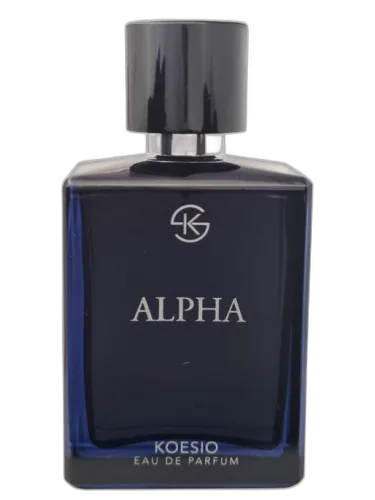
Koesio
Alpha Koesio
Shared heart notes: amber, sandalwood

Aulentissima
Blohoud Aulentissima
Shared heart notes: amber, sandalwood

Parfums Vintage
Sandal Amber Parfums Vintage
Shared heart notes: amber, sandalwood

Narciso Rodriguez
Narciso Rodriguez For Her In Color Narciso Rodriguez
Shared top notes: peach
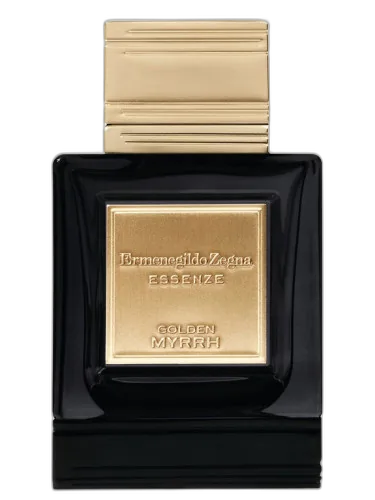
Ermenegildo Zegna
Golden Myrrh Ermenegildo Zegna
Shared heart notes: amber, sandalwood