


Stem Malin+goetz
At a glance
Is Stem Malin+goetz worth trying?
Stem by Malin+Goetz is a Aromatic Green fragrance for women and men.
- Best match
- Casual wear in Spring
- Performance feel
- Good longevity with Moderate sillage
- Signature profile
- floral, green, musky with Freesia, Hyacinth, Mandarin Leaf
The first impression
Stem by Malin+Goetz is a Aromatic Green fragrance for women and men. Stem was launched in 2019. Top notes are Freesia, Hyacinth and Mandarin Leaf; middle notes are Stems Greens, Jasmine and Green Branches; base notes are Musk, Ambroxan, Vetiver and White Cedar Extract.
What shapes the scent
The perfumer behind it

Matthew Malin, Andrew Goetz
Matthew Malin of Malin+Goetz focuses on clean, minimalist fragrances such as Stem. His perfumes often feature green, botanical notes with a crisp, modern aesthetic. Malin prioritizes transparency and simplicity, creating scents that feel fresh and uncluttered. His work appeals to those who prefer understated elegance with a contemporary edge.
Notes pyramid
Top Notes
First impression · 15-30 min
 Freesia
 Hyacinth
 Mandarin Leaf
Heart Notes
Core character · 2-4 hours
 Stems Greens
 Jasmine
 Green Branches
Base Notes
Lasting impression · 4+ hours
 Musk
Musk
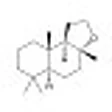 Ambroxan
 Vetiver
White Cedar Extract
Vetiver
White Cedar Extract
The mood it creates
The Alchemist Archetype: Portrait of Stem Malin+goetz
Essence
The person who gravitates toward Stem by Malin+Goetz is, at their core, a Sage-an archetype defined by curiosity, intellectual refinement, and a quiet but insatiable hunger for truth. Like Jung’s archetypal wise one, they seek knowledge not for power, but for its own sake, valuing clarity and precision above all else. The fragrance itself-green, crisp, and subtly botanical-mirrors their essence: a mind that thrives in the intersection of nature and intellect, where raw instinct meets cultivated thought.
Relationships
Their social circle is small but meaningful. They do not suffer fools gladly, nor do they engage in superficial chatter. Conversations with them are deliberate-sometimes slow, always thoughtful. They listen more than they speak, but when they do, their words carry weight. Romantic partners must match their intellectual intensity; they crave someone who can spar with ideas as effortlessly as they share silence.
Yet, their selectivity can border on detachment. They may struggle with emotional spontaneity, preferring the safety of analysis over the vulnerability of raw feeling. Their shadow emerges when their love of reason becomes a shield against the messiness of human connection.
Shadow
The Sage’s greatest strength-their razor-sharp intellect-can also be their downfall. When unbalanced, they retreat into the fortress of their mind, dismissing emotions as irrational or inconvenient. They may grow impatient with those who cannot keep up with their pace of thought, subtly condescending without realizing it. Their pursuit of perfection can make them overly critical-of themselves and others.
At their worst, they risk becoming the Recluse, isolating themselves in the ivory tower of their intellect. The crisp greenness of Stem, so invigorating at first, may come to smell clinical, even sterile, if they do not allow for the wild, untamed aspects of life.
Conclusion
Their tastes are deliberate, never accidental. They prefer clean lines in design, uncluttered spaces, and objects that serve both function and aesthetic harmony. Their wardrobe leans toward minimalist elegance-neutral tones, natural fabrics, nothing ostentatious. They might favor Japanese ceramics, Scandinavian furniture, or a well-worn leather-bound journal. Their home is a sanctuary of order, yet not sterile; there is warmth in the careful selection of each element.
Philosophy is not an abstract exercise for them but a lived experience. They may be drawn to Stoicism for its discipline, Zen for its simplicity, or Nietzsche himself for his unflinching examination of human nature. They do not accept truths blindly; they dissect them, test them, and refine them like an alchemist purifying an element.
If you like this, try these
Fragrances with a comparable profile - shared accords, notes, and character.
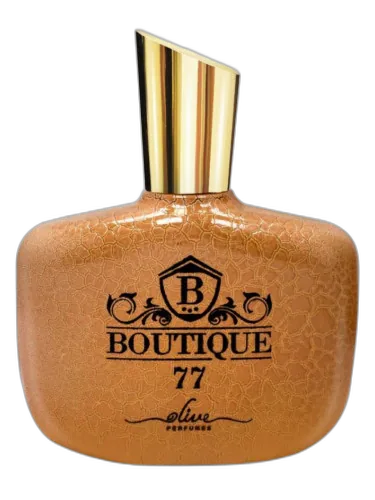
Olive Perfumes
77 Olive Perfumes
Shared top notes: hyacinth

IDEO Parfumeurs
La Fleur Du Mexique Ideo Parfumeurs
Shared top notes: hyacinth

Armaf
Club De Nuit Milestone Perfume Oil Armaf
Shared base notes: ambroxan, musk, vetiver

Jaguar
Jaguar Pace Accelerate Jaguar
Shared heart notes: jasmine

Sospiro Perfumes
Accento Viola Sospiro Perfumes
Shared top notes: hyacinth