


Daisy Blush Marc Jacobs
At a glance
Is Daisy Blush Marc Jacobs worth trying?
Daisy Blush by Marc Jacobs is a Floral fragrance for women.
- Best match
- Casual wear in Spring
- Performance feel
- Moderate longevity with Moderate sillage
- Signature profile
- white floral, fresh, floral with Pear, Water Lily, Bergamot
The first impression
Daisy Blush by Marc Jacobs is a Floral fragrance for women. Daisy Blush was launched in 2016. The nose behind this fragrance is Annie Buzantian. Top notes are Pear, Water Lily and Bergamot; middle notes are Lily-of-the-Valley, Mimosa and Honeysuckle; base notes are Musk and Woody Notes.
What shapes the scent
The perfumer behind it

Annie Buzantian
Annie Buzantian is a master perfumer with a long tenure at Firmenich, where she has created for a wide range of global brands. Her style often balances luminous florals with warm, sensual bases, as seen in Clean’s Solar Bloom and the layered warmth of Estée Lauder’s Sensuous line. She is known for crafting accessible yet sophisticated scents, including the fresh floral Adrienne Vittadini and the rich, exotic Avon Rare Flowers Night Orchid.
Notes pyramid
Top Notes
First impression · 15-30 min
 Pear
Pear
 Water Lily
 Bergamot
Heart Notes
Core character · 2-4 hours
 Lily-of-the-Valley
 Mimosa
 Honeysuckle
Base Notes
Lasting impression · 4+ hours
 Musk
Musk
 Woody Notes
The mood it creates
The Innocent Archetype: Portrait of Daisy Blush Marc Jacobs
Essence
To wear Daisy Blush by Marc Jacobs is to embrace a fragrance that is light, playful, and effervescent-a scent that lingers like the memory of a perfect spring morning. The person who cherishes this fragrance is not merely drawn to its floral sweetness but embodies the spirit of it: an eternal optimist, a seeker of joy, a believer in the inherent goodness of the world. They are, at their core, an Innocent-one of Jung’s fundamental archetypes, representing purity, simplicity, and an unshaken faith in life’s beauty.
Shadow
Yet, like all archetypes, the Innocent has its shadow. Their unwavering optimism can become a refusal to acknowledge life’s harsher truths. When faced with betrayal, loss, or cruelty, they may retreat into denial rather than confront pain. Their aversion to conflict can make them passive, allowing others to take advantage of their kindness.
They may struggle with deep-seated fears of abandonment or disillusionment, terrified that one day, the world will prove too cruel for their gentle heart. This can lead to moments of unexpected fragility-sudden tears over a minor slight, an irrational fear of change, or an inability to set boundaries. Their greatest flaw is not their innocence, but their reluctance to let it mature into wisdom.
Conclusion
This is a soul who moves through the world with an open heart, untouched by cynicism. Their laughter is frequent, their smile effortless. They are drawn to soft pastels, delicate fabrics, and designs that evoke nostalgia-perhaps a vintage sundress, a dainty gold locket, or a pair of worn-in ballet flats. Their home is filled with fresh flowers, well-loved books, and sunlight streaming through sheer curtains.
Philosophically, they believe in kindness as a guiding principle. They see the best in people, even when evidence suggests otherwise. Their relationships are built on warmth and sincerity; they are the friend who remembers birthdays, who brings homemade cookies to a gathering, who listens without judgment. They avoid conflict, not out of cowardice, but from a genuine desire to preserve harmony.
Their lifestyle reflects their values: they prefer mornings to nights, gardens to nightclubs, handwritten letters to text messages. They may work in creative or nurturing fields-teaching, art, floral design-where their optimism can flourish. They are not naive, but they choose hope over skepticism, even when the world grows dark.
If you like this, try these
Fragrances with a comparable profile - shared accords, notes, and character.

Calvin Klein
Deep Euphoria Eau De Toilette Calvin Klein
Shared top notes: pear, water lily
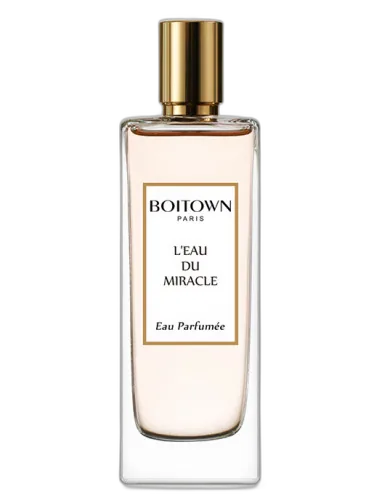
Boitown 冰希黎
L’eau Du Miracle 奇迹之水 Boitown 冰希黎
Shared top notes: pear
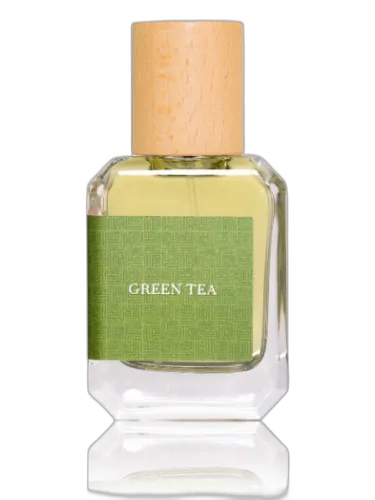
Proad
Green Tea Proad
Shared top notes: bergamot
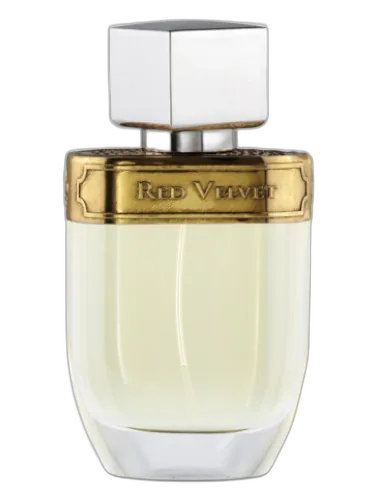
Aulentissima
Red Velvet Aulentissima
Shared top notes: bergamot
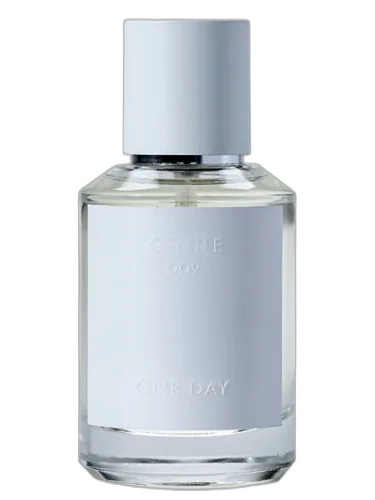
One Day
009 Gentle One Day
Shared top notes: bergamot