


Daisy Sunshine Marc Jacobs
At a glance
Is Daisy Sunshine Marc Jacobs worth trying?
Daisy Sunshine by Marc Jacobs is a Floral Fruity fragrance for women.
- Best match
- Casual wear in Spring
- Performance feel
- Moderate longevity with Moderate sillage
- Signature profile
- fruity, sweet, aromatic with Strawberry, Violet, Marigold
The first impression
Daisy Sunshine by Marc Jacobs is a Floral Fruity fragrance for women. Daisy Sunshine was launched in 2019. The nose behind this fragrance is Alberto Morillas. Top notes are Strawberry and Violet; middle note is Marigold; base notes are Wild Berries and Woody Notes.
What shapes the scent
The perfumer behind it

Alberto Morillas
Alberto Morillas is a master perfumer based in Geneva, Switzerland, and a longtime collaborator with Firmenich. His style is known for refined, luminous compositions that balance natural elegance with modern clarity. He created the bold leather and spice of Amouage Opus VII - Reckless Leather, the fresh citrus depth of Acqua di Parma Colonia Intensa, and the woody warmth of Aedes de Venustas Palissandre D'or. His work has shaped contemporary perfumery across both niche and luxury houses.
Notes pyramid
Top Notes
First impression · 15-30 min
 Strawberry
 Violet
Heart Notes
Core character · 2-4 hours
 Marigold
Base Notes
Lasting impression · 4+ hours
 Wild Berries
 Woody Notes
The mood it creates
The Lover Archetype: Portrait of Daisy Sunshine Marc Jacobs
Essence
The person who cherishes Daisy Sunshine by Marc Jacobs is most closely aligned with the Innocent archetype-a figure of optimism, purity, and an unshakable belief in the goodness of life. Like the fragrance itself-bright, floral, and effervescent-they carry an aura of effortless joy, a lightness that refuses to be weighed down by cynicism. The Innocent does not merely hope for happiness; they expect it, as if the universe owes them sunshine.
Yet, the Innocent is not naive in the pejorative sense. Their optimism is a conscious choice, a rebellion against despair. They have seen shadows but prefer to turn their face toward the light. This archetype thrives on simplicity, authenticity, and a childlike wonder that resists the corrosion of time.
Shadow
But every archetype has its shadow, and the Innocent is no exception. Their relentless optimism can become a form of avoidance-a refusal to acknowledge life’s darker textures. When faced with pain, they may retreat into denial, masking sorrow with a smile. Their insistence on seeing the good in people can blind them to malice, leaving them vulnerable to betrayal.
There is also a quiet stubbornness in their refusal to dwell in discomfort. They may grow impatient with those who cannot "just be happy," dismissing grief or anger as unnecessary burdens. This can make them seem shallow to those who live in more complex emotional landscapes.
At their worst, they risk becoming the Eternal Child-someone who refuses to grow up, clinging to a fantasy of perpetual innocence. Life, however, demands more than sweetness; it demands depth, resilience, and sometimes, the courage to sit with darkness.
Yet, it is precisely this tension between their radiant idealism and the lurking shadows that makes them human. Their optimism is not weakness but a quiet act of defiance. They choose joy not because they are ignorant of sorrow, but because they have decided that joy is worth fighting for.
They are the ones who plant flowers in cracked pavement, who hum to themselves on rainy days, who believe-against all odds-that the world is still a place worth loving. And in that belief, they may just be right.
Conclusion
Their world is one of soft edges and warm tones. They gravitate toward open spaces-sunlit kitchens, breezy meadows, cafés with large windows where the light spills in like liquid gold. Their taste is unfussy but deliberate: white linen dresses, straw hats, fresh-cut flowers in mason jars. They prefer pastels and neutrals, not out of timidity, but because these colors reflect their inner clarity.
Philosophically, they are drawn to ideas of harmony and connection. They believe in kindness as a default, in laughter as medicine, in small rituals-morning coffee, handwritten letters, barefoot walks-as sacred acts. Their values are rooted in sincerity; they despise pretense and find beauty in the unadorned.
Relationships are their sanctuary. They are the friend who remembers birthdays, the lover who leaves notes on the mirror, the parent who turns bedtime into a ceremony of stories and whispered secrets. They do not merely love; they nurture, protect, and celebrate those they hold dear. Their presence is a balm, their laughter infectious.
If you like this, try these
Fragrances with a comparable profile - shared accords, notes, and character.

Marc Jacobs
Daisy Glow Marc Jacobs
Shared top notes: strawberry
Metaphysica Parfums
Yamana Metaphysica Parfums
Shared heart notes: marigold
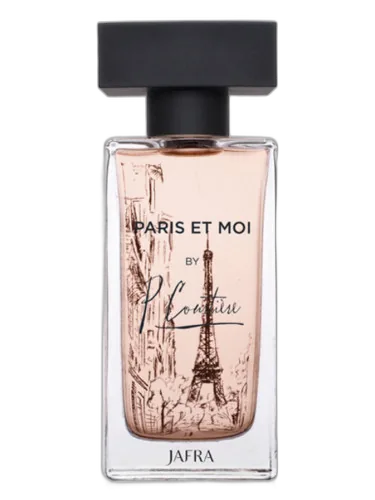
JAFRA
Paris Et Moi Jafra
Shared top notes: strawberry

Contém 1g
Meu Olhar Contém 1g
Shared top notes: strawberry, violet

Avon
Luminata Avon
Shared base notes: woody notes