
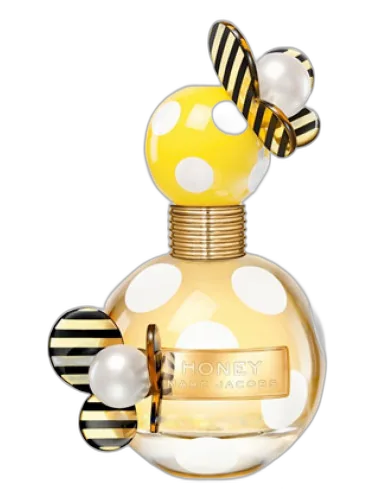

Honey Marc Jacobs
At a glance
Is Honey Marc Jacobs worth trying?
Honey by Marc Jacobs is a Floral Fruity fragrance for women.
- Best match
- Casual wear in Spring
- Performance feel
- Good longevity with Moderate sillage
- Signature profile
- fruity, sweet, white floral with Punch, Pear, Mandarin Orange
The first impression
Honey by Marc Jacobs is a Floral Fruity fragrance for women. Honey was launched in 2013. Honey was created by Annie Buzantian and Ann Gottlieb. Top notes are Punch, Pear and Mandarin Orange; middle notes are Honeysuckle, Orange Blossom and Peach; base notes are Honey, Vanilla and Woodsy Notes.
What shapes the scent
The perfumer behind it

Ann Gottlieb
Ann Gottlieb is a highly influential American perfumer and fragrance consultant known for her work with major brands like Axe. Her style focuses on creating bold, accessible scents that appeal to a broad audience, often blending fresh, woody, and sweet accords. She played a key role in developing iconic Axe fragrances such as Axe Africa, Axe Apollo, and Axe Dark Temptation, helping define the brand's signature mass-market appeal.
Notes pyramid
Top Notes
First impression · 15-30 min
 Punch
Punch
 Pear
Pear
 Mandarin Orange
Heart Notes
Core character · 2-4 hours
 Honeysuckle
 Orange Blossom
 Peach
Peach
Base Notes
Lasting impression · 4+ hours
 Honey
Honey
 Vanilla
 Woodsy Notes
The mood it creates
The Lover Archetype: Portrait of Honey Marc Jacobs
Essence
The person who adores Honey by Marc Jacobs is most closely aligned with the Lover archetype-a figure driven by passion, sensuality, and a deep appreciation for beauty in all its forms. This fragrance, with its warm, golden sweetness, hints at a personality that thrives on pleasure, connection, and the intoxicating allure of life’s finer things.
The Lover does not merely exist-they experience. They are drawn to textures, scents, and emotions with an almost hedonistic intensity. Yet beneath this outward radiance lies a vulnerability, a fear of being unseen or unloved. Their shadow emerges when their pursuit of beauty becomes escapism, or when their need for validation eclipses their authenticity.
Philosophy & Values
For them, life is not about mere survival but about savoring. They reject the notion that pleasure is frivolous-instead, they see it as the highest form of wisdom. Their philosophy is Epicurean in nature: happiness is found in the delicate balance between indulgence and restraint.
They value intimacy above all else-not just in romance but in friendships, in art, in fleeting moments of connection. A shared glance, a perfectly timed joke, the way sunlight filters through leaves-these are the things that sustain them. Yet this very sensitivity makes them prone to melancholy when beauty fades or connections fray.
Relationships
In love, they are both the enchantress and the devotee. They crave intensity, the kind of romance that feels like a whispered secret. Their relationships are marked by deep emotional exchanges, poetic gestures, and an almost theatrical sense of devotion.
Yet their shadow lurks here too-they may idealize partners, projecting fantasies onto them until reality disappoints. Their fear of abandonment can make them cling or manipulate, veering into possessiveness. They must learn that love is not about possession but mutual surrender.
Shadow
The Lover’s greatest weakness is their dependency on external validation. Without admiration, they may wilt like a flower deprived of sunlight. Their pursuit of pleasure can tip into escapism-excessive indulgence in food, drink, or romantic entanglements as a way to avoid confronting emptiness.
At their worst, they become the Seductress or the Martyr-either manipulating others to maintain their sense of desirability or sacrificing themselves in the name of love, losing their identity in the process.
Conclusion
When balanced, the Lover is a beacon of warmth, a reminder that life is meant to be felt deeply. They teach others to slow down, to savor, to find joy in the smallest details. Their gift is their ability to make the mundane feel sacred-a shared meal, a lingering touch, the scent of honey on their skin.
But they must remember: true beauty is not just in being adored, but in adoring the world with clear-eyed wonder, without needing it to adore them back.
If you like this, try these
Fragrances with a comparable profile - shared accords, notes, and character.
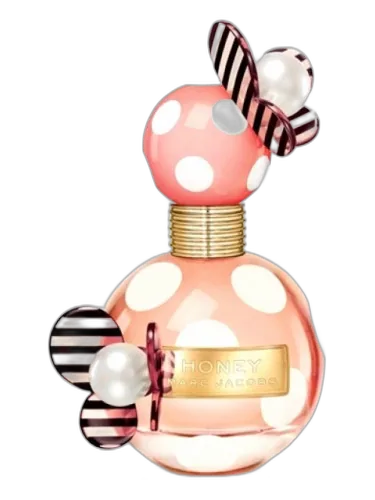
Marc Jacobs
Pink Honey Marc Jacobs
Shared top notes: mandarin orange, pear, punch
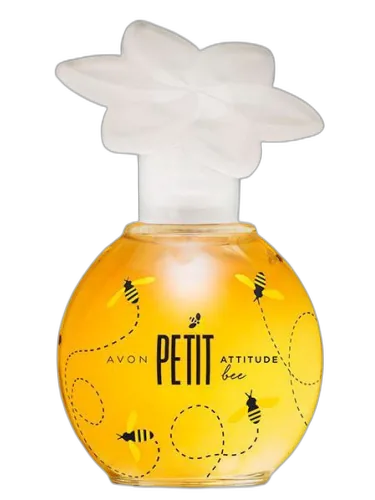
Avon
Petit Attitude Bee Avon
Shared top notes: mandarin orange
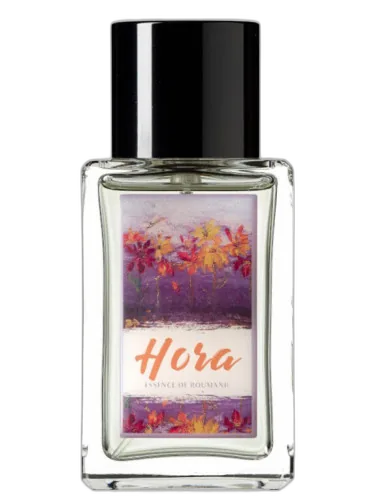
Essence de Roumanie
Hora Essence De Roumanie
Shared heart notes: honeysuckle, peach
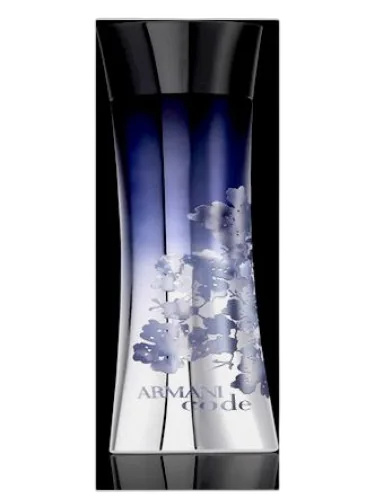
Giorgio Armani
Armani Code Mirror Edition Giorgio Armani
Shared heart notes: orange blossom

Jean Paul Gaultier
Classique X Love Actually Jean Paul Gaultier
Shared top notes: mandarin orange