


Warm Amber Mary Kay
At a glance
Is Warm Amber Mary Kay worth trying?
Warm Amber by Mary Kay is a Oriental Floral fragrance for women.
- Best match
- Evening wear in Fall
- Performance feel
- Good longevity with Moderate sillage
- Signature profile
- woody, amber, powdery with Amber, Sandalwood, Pomegranate
The first impression
Warm Amber by Mary Kay is a Oriental Floral fragrance for women. Warm Amber was launched in 2008.
What shapes the scent
The perfumer behind it

Mary Kay
Mary Kay is recognized for her warm, inviting fragrances like Warm Amber, which embody comfort and familiarity. Her style often focuses on rich, cozy accords that appeal to a broad audience. Kay's perfumes are designed to be effortlessly wearable and subtly luxurious. She contributes to the brand's legacy of accessible yet polished scents.
Notes pyramid
All Notes
Complete scent profile
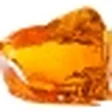 Amber
Amber
 Sandalwood
 Pomegranate
 Patchouli
 Jasmine
 St. John's Wort
 Rose
Rose
The mood it creates
The Innocent Archetype: Portrait of Warm Amber Mary Kay
Essence
The person who favors Warm Amber by Mary Kay is most closely aligned with the Caregiver archetype, a figure of warmth, stability, and devotion. This scent-deep, enveloping, subtly sweet-mirrors their essence: comforting, enduring, and deeply rooted in the physical world. They are the hearth around which others gather, the steady hand in chaos, the one who remembers birthdays, brings soup to the sick, and listens without judgment. Yet, like all archetypes, the Caregiver has its shadow-self-neglect, martyrdom, and an unspoken expectation of reciprocity that can sour into resentment.
Style & Aesthetic
Their home is a sanctuary, not in the minimalist sense of cold elegance, but in the way a well-worn book feels in the hands-familiar, softened by time. Candles flicker, throws drape over couches, and the scent of spices lingers in the air. They prefer textures that invite touch: knitted wool, aged leather, the grain of solid wood. Their wardrobe leans toward earthy tones-burnt sienna, deep ochre, muted gold-colors that speak of warmth rather than flash.
They thrive in roles that allow them to nurture: teachers, counselors, healers, or simply the friend who always knows what to say. Their work is not about ambition in the traditional sense, but about creating spaces where others feel seen. They are the ones who remember the small things-how you take your coffee, the name of your childhood pet-because to them, details are the currency of care.
Philosophy & Values
Their philosophy is simple but profound: to be needed is to be alive. They believe in the quiet power of presence, in the way a steady gaze can hold more truth than a thousand words. Duty is not a burden but a calling-they see themselves as custodians of connection, the ones who keep the threads of relationships from fraying.
Yet, this devotion can become a cage. Their values, so deeply tied to giving, sometimes blind them to the necessity of receiving. They may mistake exhaustion for virtue, believing that if they are not tired, they have not loved enough. Their greatest fear is not failure, but irrelevance-the terror of being forgotten, of their care going unnoticed.
Relationships
In love and friendship, they are steadfast, the kind of partner who remembers anniversaries not out of obligation but because marking time matters to them. They are slow to anger but quick to forgive, though their forgiveness can sometimes be a form of self-betrayal-swallowing hurt to keep peace. Their relationships thrive on reciprocity, but when that balance falters, their shadow emerges: a quiet, corrosive bitterness.
They attract those who crave stability, but this can lead to an uneven dynamic-the Caregiver gives, the other takes, until the well runs dry. Their challenge is to learn that love is not a transaction, that to be cherished does not require constant sacrifice.
Shadow
Beneath their golden warmth lies the darker hue of their archetype: the martyr. Unchecked, their generosity curdles into passive aggression, their kindness into manipulation. After all I’ve done for you lingers unspoken in the air. They may grow resentful of those who do not match their level of care, not realizing that their own inability to set boundaries invited the imbalance.
Their other flaw is an aversion to chaos-they crave order not just in their surroundings but in the hearts of those they love. When someone resists their nurturing, they may interpret it as rejection rather than a need for autonomy.
Conclusion
The ideal form of this archetype is not the selfless saint, but the wise keeper of the flame-one who tends the fire without burning themselves to ash. They must learn that warmth does not mean setting oneself ablaze for others. In their highest expression, they embody the truth that to care for others, one must first care for oneself.
Their scent-Warm Amber-is not just a preference, but a reflection: deep, radiant, enduring. It lingers long after they leave the room, a reminder that some lights are not meant to blaze, but to glow.
If you like this, try these
Fragrances with a comparable profile - shared accords, notes, and character.
Новая Заря (The New Dawn)
Ярославна (yaroslavna) Новая Заря (the New Dawn)
Shared top notes: amber, jasmine, patchouli
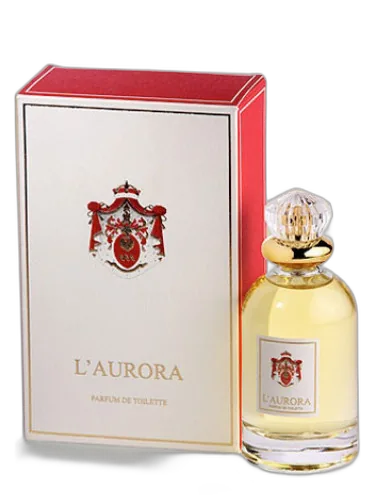
HSH Prince Nicolo Boncompagni Ludovisi
L'aurora Hsh Prince Nicolo Boncompagni Ludovisi
Shared top notes: amber, jasmine, patchouli
Новая Заря (The New Dawn)
Восток - Vostok Новая Заря (the New Dawn)
Shared top notes: amber, jasmine, patchouli
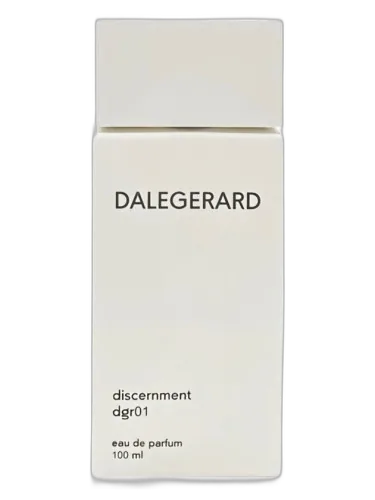
Dalegerard
Discernment Dgr01 Dalegerard
Shared top notes: amber, patchouli, sandalwood
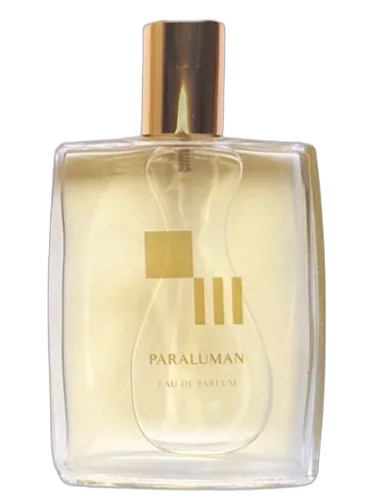
Oscar Mejia III
Paraluman Oscar Mejia Iii
Shared top notes: amber, patchouli, rose