
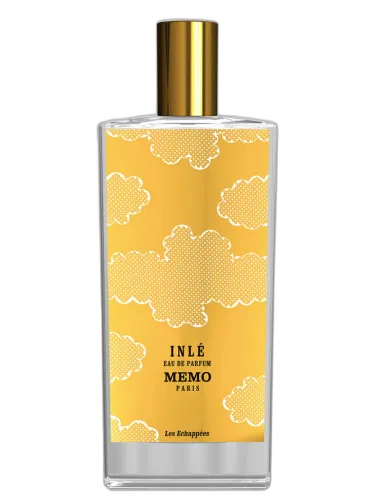

Inlé Memo Paris
Fragrance Story
Inlé by Memo Paris is a Floral Fruity fragrance for women. Inlé was launched in 2007. The nose behind this fragrance is Alienor Massenet. Top notes are Bergamot, Mint and Artemisia; middle notes are Osmanthus, Mate, Jasmine and Spices; base notes are Iris, Musk and Cedar.
Composition Profile
About the Perfumer

Alienor Massenet
Alienor Massenet is a French perfumer known for her work with major fragrance houses, including Givaudan. Her style balances modern elegance with subtle complexity, often highlighting floral and woody contrasts. Notable creations include the luminous Rose Lumiere for Armand Basi and the enigmatic Black Swan for Brocard.
Fragrance Notes
Top Notes
First impression · 15-30 min
 Bergamot
 Mint
Mint
 Artemisia
Heart Notes
Core character · 2-4 hours
 Osmanthus
 Mate
Mate
 Jasmine
 Spices
Base Notes
Lasting impression · 4+ hours
 Iris
Iris
 Musk
Musk
 Cedar
Cedar
Character Profile
The Wanderer Archetype: Portrait of Inlé Memo Paris
Essence
To wear Inlé by Memo Paris is to embody the spirit of the eternal seeker-one who moves through life with quiet curiosity, drawn to the liminal spaces between the known and the mysterious. This fragrance, with its delicate interplay of jasmine, green tea, and musk, evokes a soul who is neither fully anchored nor entirely adrift, but rather someone who finds meaning in the journey itself.
The dominant archetype here is the Explorer, though not in the crude sense of one who merely travels for novelty. This is a deeper, more introspective wanderer-someone who seeks not just new landscapes, but new states of being. The Explorer thrives on discovery, whether through physical movement, intellectual inquiry, or emotional depth. They reject stagnation, viewing life as an unfolding mystery to be engaged with rather than a fixed path to be followed.
Style & Aesthetic
Their tastes are refined but never ostentatious. They prefer the understated elegance of natural textures-linen, raw silk, unpolished wood-over anything too polished or artificial. Their home is likely filled with objects collected from travels: a hand-thrown ceramic bowl from Kyoto, a faded tapestry from Marrakech, a well-worn first edition of a philosophical text. They appreciate the slow, deliberate craftsmanship of things made to last, yet they are not a materialist-possessions are merely vessels for memory and meaning.
In art, they are drawn to impressionism and haiku, forms that suggest rather than declare. They prefer music that breathes-jazz, ambient soundscapes, or the sparse melodies of classical guitar. Their wardrobe is a curated mix of timeless pieces, favoring soft neutrals and muted earth tones, as if they are always ready to blend into a new environment.
They are the kind of person who can disappear for months, only to return with stories that make their friends feel as if they, too, have been somewhere new. Their relationships thrive on intellectual and emotional exchange; small talk bores them, but a conversation about the nature of time or the scent of rain on dry earth will ignite their passion.
Romantically, they are drawn to partners who are equally independent-someone who understands that love does not mean possession. They may struggle with commitment, not out of fear, but because they resist anything that feels like confinement. Their ideal partner is one who can journey alongside them without demanding they stop moving.
Philosophy & Values
Freedom is their highest ideal, though not in the reckless sense. Their freedom is a disciplined one-a conscious choice to remain unattached to dogma, routine, or expectation. They believe in the fluidity of identity, seeing the self as something to be continually rediscovered rather than rigidly defined.
They value depth over breadth in relationships, preferring a few meaningful connections to many superficial ones. Loyalty, to them, is not about obligation but about mutual growth-they will stand by those who inspire and challenge them, but they will not remain where they feel stifled.
Shadow
Yet the Explorer has a shadow-the Restless Ghost, a figure who cannot settle because they are afraid of what stillness might reveal. Their constant motion can become evasion, a way to avoid the deeper work of confronting their own unresolved wounds. They may mistake novelty for growth, accumulating experiences without ever integrating them.
At their worst, they can be emotionally elusive, keeping even those closest to them at arm’s length. Their independence, so vital to their spirit, can harden into detachment. They may struggle with a quiet existential loneliness, sensing that their refusal to plant roots has left them without a true home.
Conclusion
The wisdom for the Inlé-wearer lies in learning that exploration need not always be outward. The deepest journeys are those taken within. If they can embrace moments of stillness-if they can allow themselves to be known as deeply as they seek to know the world-they will find that the truest adventure is not in escaping the self, but in fully inhabiting it.
They are not lost. They are simply in motion, and in that motion, they find their own kind of grace.
Similar Fragrances
Fragrances with a comparable profile - shared accords, notes, and character.
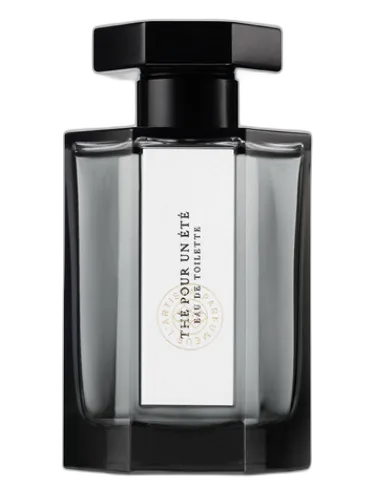
L'Artisan Parfumeur
The Pour Un Ete L'artisan Parfumeur
Shared accords: aromatic, citrus, floral
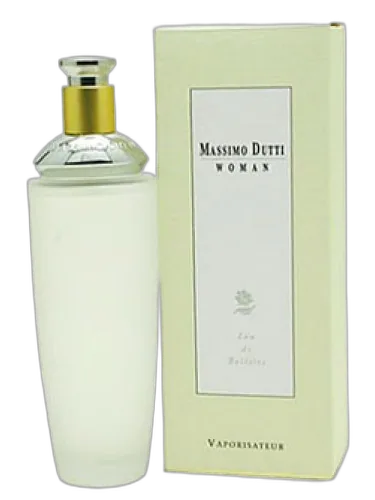
Massimo Dutti
Massimo Dutti Woman Massimo Dutti
Shared accords: aromatic, citrus, floral
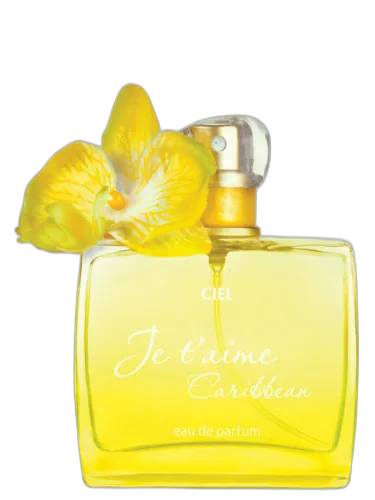
CIEL Parfum
Je T’aime Caribbean Ciel Parfum
Shared accords: aromatic, citrus, floral
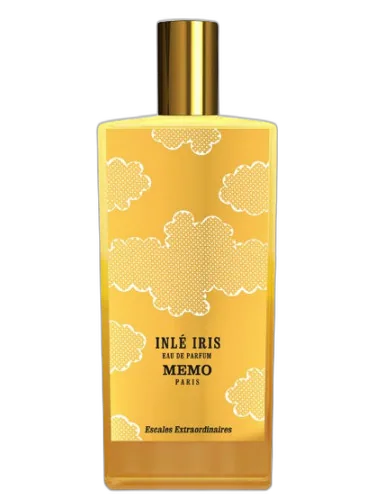
Memo Paris
Inle Iris Memo Paris
Shared accords: aromatic, citrus, floral
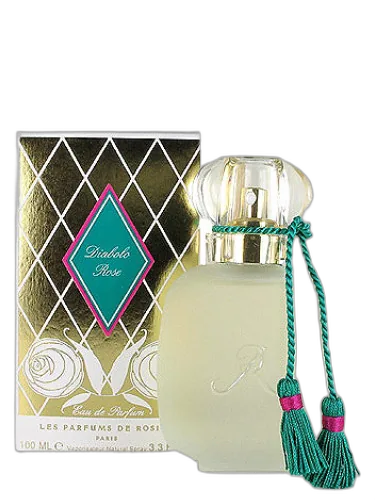
Les Parfums de Rosine
Diabolo Rose Les Parfums De Rosine
Shared accords: aromatic, citrus, floral