


Lalibela Memo Paris
At a glance
Is Lalibela Memo Paris worth trying?
Lalibela by Memo Paris is a Chypre Floral fragrance for women.
- Best match
- Evening wear in Fall
- Performance feel
- Very Good longevity with Moderate sillage
- Signature profile
- floral, vanilla, sweet with Coconut, Orchid, Rose
The first impression
Lalibela by Memo Paris is a Chypre Floral fragrance for women. Lalibela was launched in 2007. The nose behind this fragrance is Alienor Massenet. Top notes are Coconut, Orchid, Rose and Peony; middle notes are Vanilla, Patchouli, Jasmine and Labdanum; base notes are Incense, Tobacco Leaf and Precious Woods.
What shapes the scent
The perfumer behind it

Alienor Massenet
Alienor Massenet is a French perfumer known for her work with major fragrance houses, including Givaudan. Her style balances modern elegance with subtle complexity, often highlighting floral and woody contrasts. Notable creations include the luminous Rose Lumiere for Armand Basi and the enigmatic Black Swan for Brocard.
Notes pyramid
Top Notes
First impression · 15-30 min
 Coconut
 Orchid
 Rose
Rose
 Peony
Peony
Heart Notes
Core character · 2-4 hours
 Vanilla
 Patchouli
 Jasmine
 Labdanum
Base Notes
Lasting impression · 4+ hours
 Incense
 Tobacco Leaf
Precious Woods
Tobacco Leaf
Precious Woods
The mood it creates
The Wanderer Archetype: Portrait of Lalibela Memo Paris
Essence
The person who cherishes Lalibela Memo Paris is, at their core, a Seeker-one who is drawn to the unknown, the sacred, and the transcendent. This fragrance, with its blend of incense, myrrh, and warm spices, evokes the mysticism of ancient pilgrimage routes, making it the olfactory signature of someone who views life as a journey toward deeper meaning. They are not content with the mundane; they crave revelation, whether through travel, art, or introspection.
The Seeker is restless, but not in a chaotic way-their restlessness is purposeful, a refusal to accept stagnation. They are not merely a dreamer; they are a pilgrim in search of something beyond the visible world.
Style & Aesthetic
Their tastes are an interplay of the sacred and the sensual. They might be drawn to minimalist yet textured interiors-raw wood, stone, candlelight-spaces that feel like sanctuaries. Their wardrobe leans toward timeless elegance: draped linen, well-worn leather, perhaps a single piece of antique jewelry with a story. They prefer objects that carry weight, not in gold but in meaning.
Bookshelves in their home hold poetry, philosophy, and travelogues. They might collect rare incense or handmade ceramics, not as decorations but as talismans. Music is an essential companion-Gregorian chants, ambient soundscapes, or the raw strings of a desert blues guitarist.
They may live nomadically-a year in Marrakech, six months in Kyoto-or they may root themselves in a quiet place, turning their home into a retreat. Even if they stay in one city, they move through it like a traveler, finding the sacred in alleyways and forgotten chapels.
Work is either a means to fund their journeys or a vocation that aligns with their quest-perhaps as a writer, a perfumer, a restorer of ancient texts. They do not chase status; they seek work that feels like an extension of their soul.
Philosophy & Values
They reject dogma but are drawn to the numinous. Organized religion may feel too rigid, but they find spirituality in rituals-morning meditation, the lighting of candles, the deliberate act of brewing tea. They believe in depth over doctrine, in the idea that truth is not handed down but uncovered through experience.
Their values revolve around authenticity. Superficiality repels them; they seek people and experiences that feel unfiltered, whether in conversation, art, or love. They are not afraid of solitude-in fact, they require it-but they also crave communion with those who understand the language of silence.
Relationships
They are not easy to pin down. Their relationships are deep but intermittent-they may vanish for weeks, then return with stories from some remote corner of the world. They love fiercely but guard their independence. Their partners must understand that their need for space is not rejection but a necessity.
Friendships with them are intense but episodic. They are the kind of person who sends a postcard from a monastery in Ethiopia or a single line of poetry at 3 AM. They do not do small talk; every exchange must carry weight.
Shadow
But every Seeker risks becoming the Exile-one who wanders not out of purpose but out of avoidance. Their strength is their independence; their flaw is their reluctance to truly arrive. They may romanticize solitude to the point of isolation, mistaking loneliness for enlightenment.
At their worst, they grow cynical, dismissing those who find contentment in ordinary life as "unawakened." They may flee from commitment, not because they fear love, but because they fear stagnation. The shadow of the Seeker is the belief that meaning is always elsewhere, never here.
Conclusion
The true test of the Seeker is not in the leaving but in the return-the ability to bring back what they’ve found and integrate it into the world. The one who wears Lalibela is at their best when they realize that the sacred is not only in distant lands but in the act of fully inhabiting the present.
They are not meant to wander forever. The fragrance they love-earthy, meditative, yet warm-reminds them that the journey is not just about seeking, but about being found.
If you like this, try these
Fragrances with a comparable profile - shared accords, notes, and character.

Madonna Nudes 1979
Musical Madonna Nudes 1979
Shared top notes: rose

The House of Oud
Bonbon Pop The House Of Oud
Shared top notes: coconut
Alexandria Fragrances
White Oud Perfume Oil Alexandria Fragrances
Shared top notes: rose
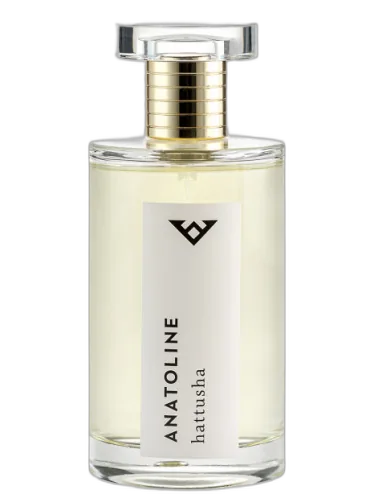
Anatoline
Hattusha Anatoline
Shared top notes: coconut

Beary
Hypnotica Beary
Shared heart notes: jasmine, patchouli, vanilla