
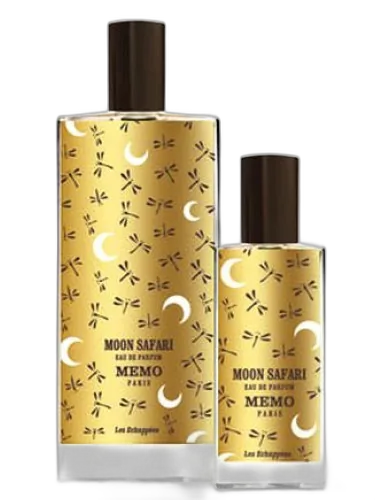

Moon Safari Memo Paris
At a glance
Is Moon Safari Memo Paris worth trying?
Moon Safari by Memo Paris is a Woody Aromatic fragrance for women and men.
- Best match
- Casual wear in Summer
- Performance feel
- Good longevity with Moderate sillage
- Signature profile
- citrus, aromatic, leather with Grapefruit, Bitter Orange, Amalfi Lemon
The first impression
Moon Safari by Memo Paris is a Woody Aromatic fragrance for women and men. Moon Safari was launched in 2009. The nose behind this fragrance is Alienor Massenet. Top notes are Grapefruit, Bitter Orange, Amalfi Lemon and Mandarin Orange; middle notes are Neroli, Vetyver, Lemon Verbena, Sage and Primrose; base notes are Leather and Tonka Bean.
What shapes the scent
The perfumer behind it

Alienor Massenet
Alienor Massenet is a French perfumer known for her work with major fragrance houses, including Givaudan. Her style balances modern elegance with subtle complexity, often highlighting floral and woody contrasts. Notable creations include the luminous Rose Lumiere for Armand Basi and the enigmatic Black Swan for Brocard.
Notes pyramid
Top Notes
First impression · 15-30 min
 Grapefruit
 Bitter Orange
 Amalfi Lemon
 Mandarin Orange
Heart Notes
Core character · 2-4 hours
 Neroli
 Vetyver
 Lemon Verbena
 Sage
Sage
 Primrose
Base Notes
Lasting impression · 4+ hours
 Leather
 Tonka Bean
The mood it creates
The Wanderer Archetype: Portrait of Moon Safari Memo Paris
Essence
The one who wears Moon Safari by Memo Paris is, at their core, an Explorer-a seeker of the uncharted, a soul drawn to the liminal spaces between the known and the mysterious. This fragrance, with its lush citrus, green tea, and woody warmth, evokes both the exhilaration of discovery and the quietude of solitary reflection. The Explorer does not simply move through the world; they dissolve into it, chasing the horizon not out of restlessness, but out of a conviction that truth lies just beyond the next bend.
Philosophy & Values
For them, freedom is not an abstract ideal but a necessity. Routine is a cage, predictability a slow death. They believe in the aesthetics of experience-that beauty is found not in ownership but in fleeting moments: the scent of rain on hot pavement, the way light filters through jungle leaves, the silence of a desert night.
Yet this pursuit of the sublime carries a paradox. They disdain materialism, yet they are not immune to the allure of the rare, the exotic-Moon Safari itself is a luxury, a contradiction they acknowledge with wry amusement. Their values are rooted in authenticity, but they are not naive; they know that even wanderers must sometimes compromise with the mundane world.
Relationships
They draw people to them effortlessly-there is something magnetic in their quiet intensity, their ability to listen as if every word matters. But they are not easy to hold. Relationships with them are like the fragrance they wear: vivid at first, then lingering as a memory. They love deeply but resist permanence, fearing that commitment might dull the very spontaneity that defines them.
Their closest bonds are with those who understand their need for space-fellow wanderers, artists, thinkers who do not mistake absence for indifference. They are loyal in their way, but their loyalty is to the essence of a person, not to the expectations society places on connection.
Shadow
The Explorer’s strength is also their flaw. Their ceaseless motion can become evasion; their love of the new can mask an unwillingness to face the depths of their own soul. They may mistake movement for growth, collecting experiences like currency without ever pausing to integrate them.
There are moments-often in the quiet hours before dawn-when a hollowness creeps in. Have they truly lived, or have they only passed through life like a ghost? The fear of stagnation drives them forward, but it can also prevent them from ever truly arriving.
Conclusion
Their tastes are eclectic yet deliberate-a blend of the refined and the wild. They might favor minimalist Scandinavian design in their home, but with a Moroccan rug thrown carelessly over a chair, a relic from some impulsive journey. Their wardrobe leans toward effortless elegance-linen shirts, well-worn leather boots, a single piece of jewelry with a story. They read voraciously, alternating between philosophy (Camus, perhaps, or Nietzsche himself) and obscure travelogues.
They do not accumulate possessions for status but for meaning. A shelf holds a vial of sand from the Sahara, a postcard from a Kyoto temple, a first edition of The Sheltering Sky. These are not trophies but talismans, reminders that life is best lived as a series of encounters rather than a fixed narrative.
If you like this, try these
Fragrances with a comparable profile - shared accords, notes, and character.
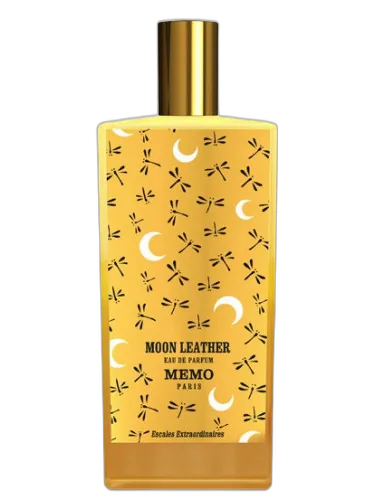
Memo Paris
Moon Leather Memo Paris
Shared top notes: bitter orange, grapefruit
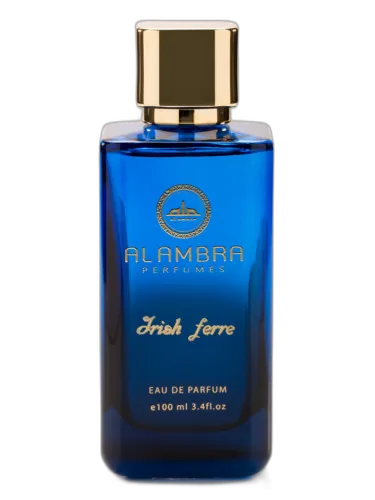
Al Ambra
Irish Ferre Al Ambra
Shared base notes: leather, tonka bean

Brocard
Terra Incognita Hot Land Brocard
Shared base notes: leather, tonka bean
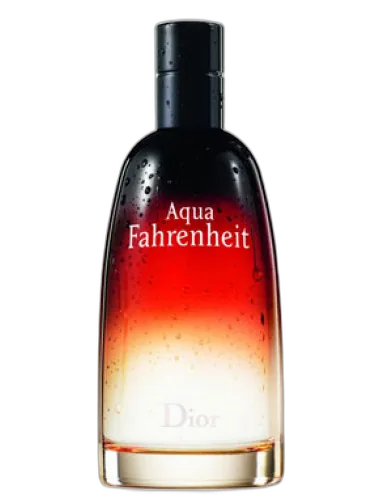
Dior
Aqua Fahrenheit Dior
Shared top notes: grapefruit, mandarin orange
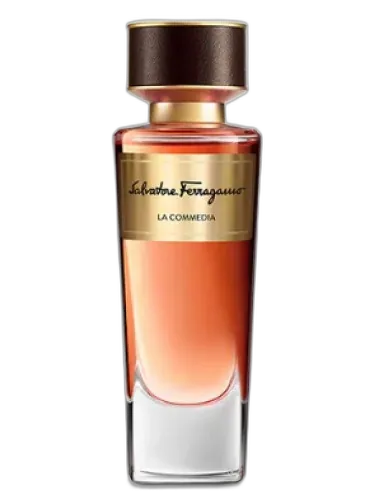
Salvatore Ferragamo
La Commedia Salvatore Ferragamo
Shared top notes: bitter orange, grapefruit