
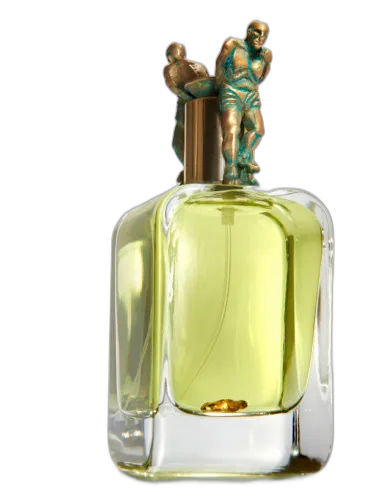

Athanor Mendittorosa
At a glance
Is Athanor Mendittorosa worth trying?
Athanor by Mendittorosa is a fragrance for women and men.
- Best match
- Evening wear in Fall
- Performance feel
- Excellent longevity with Strong sillage
- Signature profile
- woody, earthy, amber with Sulphur, Cassis, Saffron
The first impression
Athanor by Mendittorosa is a fragrance for women and men. Athanor was launched in 2020. The nose behind this fragrance is Luca Maffei. Top notes are Sulphur, Cassis and Saffron; middle notes are Iris, Incense and Cypriol Oil or Nagarmotha; base notes are Cashmeran, Guaiac Wood, Java vetiver oil and Black Amber.
What shapes the scent
The perfumer behind it

Luca Maffei
Luca Maffei is an Italian perfumer known for his work with Acca Kappa, creating scents like Black Pepper & Sandalwood and Tilia Cordata. He also composed Amnesia Rose for Aedes de Venustas and Ambre Gris for Alyssa Ashley. Maffei's style often blends natural ingredients with modern sophistication. His portfolio includes a range of floral, woody, and aromatic compositions.
Notes pyramid
Top Notes
First impression · 15-30 min
 Sulphur
 Cassis
 Saffron
Heart Notes
Core character · 2-4 hours
 Iris
Iris
 Incense
 Cypriol Oil or Nagarmotha
Base Notes
Lasting impression · 4+ hours
 Cashmeran
 Guaiac Wood
Java vetiver oil
Guaiac Wood
Java vetiver oil
 Black Amber
The mood it creates
The Alchemist Archetype: Portrait of Athanor Mendittorosa
Essence
To wear Athanor by Mendittorosa is to embrace transformation-not as a fleeting whim, but as a sacred rite. This fragrance, with its metallic whispers, smoky resins, and mineral depth, is not for those who seek mere adornment. It is for the seeker, the one who views life as a crucible where the base self is refined into something transcendent. The archetype that best defines this person is The Alchemist-the eternal experimenter, the one who distills meaning from chaos, turning leaden reality into golden insight.
The Alchemist is a figure of paradox: both scientist and mystic, grounded yet drawn to the esoteric. They are not content with surface truths; they crave the hidden structures beneath. Their philosophy is one of becoming-they believe in the fluidity of identity, the possibility of reinvention. To them, life is an ongoing transmutation, and every experience, whether bitter or sweet, is an ingredient in the grand work.
Their tastes are deliberate, often veering toward the unconventional. They might collect rare books on hermeticism, own a piece of meteorite, or favor jewelry made of oxidized silver-objects that carry the weight of time and transformation. Their style is neither ostentatious nor austere, but intentional: draped fabrics, layered textures, a preference for raw edges over polished finishes. They do not follow trends; they embody an aesthetic that feels like an extension of their inner world.
Shadow
Yet the Alchemist’s pursuit of depth can become a prison. Their fascination with the hidden can make them distrustful of simplicity, leading them to overcomplicate even the most straightforward matters. They may dismiss joy as frivolity, mistaking suffering for wisdom. In relationships, their analytical nature can become cold detachment-they may dissect emotions rather than feel them, turning intimacy into an intellectual exercise.
Their greatest flaw is their tendency toward self-imposed exile. Convinced that few can understand them, they withdraw into solitude, mistaking loneliness for enlightenment. They may grow bitter, resenting a world that seems too shallow for their depth. At their worst, they become like the alchemists of old-chasing an impossible perfection, forever distilling their essence but never arriving at gold.
Conclusion
The Alchemist’s greatest strength is their ability to see potential where others see stagnation. They are drawn to people and ideas that others dismiss as too obscure, too difficult, or too strange. In relationships, they are the confidant who listens not to judge, but to decipher-they seek the hidden meaning in a friend’s words, the unspoken longing beneath a lover’s silence. Their presence is magnetic because they make others feel seen in ways they have never been before.
Professionally, they thrive in roles that allow them to synthesize disparate elements-art curation, experimental science, psychotherapy, or even perfumery itself. They are not satisfied with rote tasks; they need work that feels like an act of discovery. Their curiosity is insatiable, and they are often autodidacts, mastering subjects through sheer obsession rather than formal instruction.
If you like this, try these
Fragrances with a comparable profile - shared accords, notes, and character.
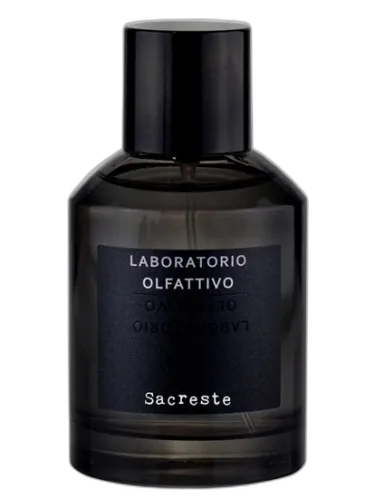
Laboratorio Olfattivo
Sacreste Laboratorio Olfattivo
Shared top notes: saffron
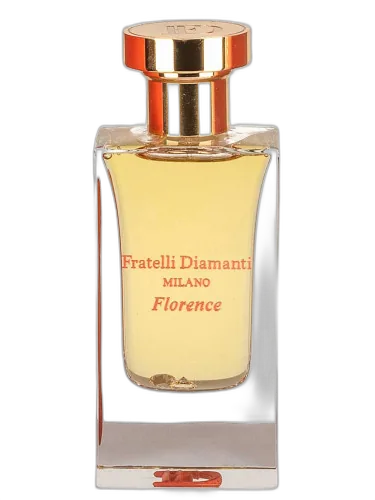
Fratelli Diamanti
Florence Fratelli Diamanti
Shared heart notes: incense, iris
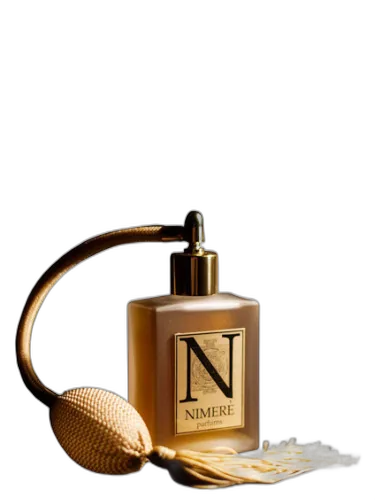
Nimere Parfums
Melancholy. Letters Wallice Nimere Parfums
Shared top notes: saffron
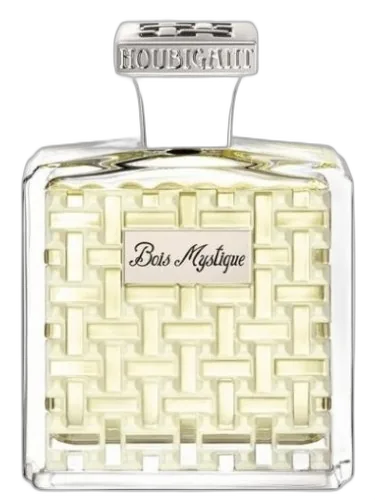
Houbigant
Bois Mystique Houbigant
Shared heart notes: cypriol oil or nagarmotha, incense, iris
The Merchant of Venice
Oudelight The Merchant Of Venice
Shared top notes: saffron