
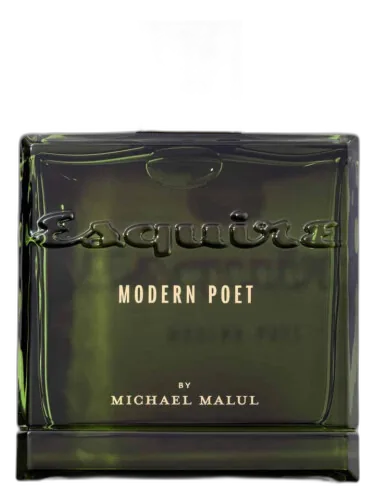

Modern Poet Michael Malul London
At a glance
Is Modern Poet Michael Malul London worth trying?
Modern Poet by Michael Malul London is a Citrus Aromatic fragrance for men.
- Best match
- Casual wear in Spring
- Performance feel
- Good longevity with Moderate sillage
- Signature profile
- aromatic, woody, citrus with Citron, Gin, Grapefruit
The first impression
Modern Poet by Michael Malul London is a Citrus Aromatic fragrance for men. This is a new fragrance. Modern Poet was launched in 2024. The nose behind this fragrance is Elodie Durande. Top notes are Citron, Gin, Grapefruit, Lemon and Olibanum; middle notes are Matcha Tea, Cardamom and Geranium; base notes are Patchouli, Vetiver, Sandalwood, Moss, Amber and Balsamic Notes.
What shapes the scent
The perfumer behind it
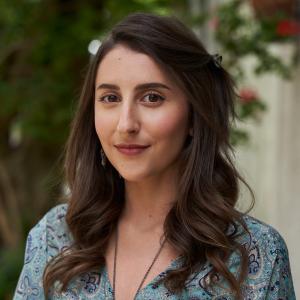
Elodie Durande
Elodie Durande is a perfumer who has contributed to brands such as Adscenture, Ffern, and Discothèque. Her work includes Kyoto, Autumn 19, and Dark Imagination. She often creates fragrances that evoke specific places or seasons.
Notes pyramid
Top Notes
First impression · 15-30 min
 Citron
 Gin
Gin
 Grapefruit
 Lemon
Lemon
 Olibanum
Heart Notes
Core character · 2-4 hours
 Matcha Tea
 Cardamom
 Geranium
Base Notes
Lasting impression · 4+ hours
 Patchouli
 Vetiver
 Sandalwood
Moss
Sandalwood
Moss
 Amber
Amber
 Balsamic Notes
The mood it creates
The Modern Poet Archetype: Portrait of Modern Poet Michael Malul London
Essence
To wear Modern Poet Michael Malul London is to embody a paradox-an essence both refined and rebellious, delicate yet daring. This fragrance, with its blend of crisp pear, velvety iris, and warm amber, speaks to a soul who navigates the world with quiet intensity. They are not loud in their convictions, nor do they seek the spotlight, but their presence lingers like the subtle trail of a well-chosen perfume.
At their core, this person is most closely aligned with the Sage-the seeker of truth, the observer of life’s nuances, the one who values wisdom over spectacle. The Sage does not shout their insights; they whisper them, trusting that those who need to hear will listen. They are drawn to the intellectual, the poetic, the understated elegance of a life examined.
Yet, like all archetypes, the Sage has a shadow. The very introspection that grants them depth can also lead to detachment, an over-reliance on thought at the expense of feeling. They may retreat into their mind, mistaking contemplation for living, analysis for experience.
To wear this fragrance is to carry an aura of quiet confidence, a reminder that depth does not require volume. They are the person who leaves a room and is still thought of, not because they dominated it, but because their presence was felt in the spaces between words.
They are not perfect-no archetype is. But in their pursuit of meaning, in their refusal to accept life at face value, they embody the spirit of the poet: one who sees the world as it is, yet insists on imagining what it could be.
Shadow
Their greatest strength is their ability to see beyond surfaces. They perceive the unspoken, the hidden currents in conversations, the subtle shifts in mood. They are the confidant, the one who listens without judgment and offers insight without imposition.
But their shadow lurks in their tendency to overanalyze. They may dissect emotions until they lose their vitality, turning love into a concept rather than a lived experience. Their fear of being superficial can make them hesitant to indulge in simple pleasures, as if joy must always be earned through thought.
At their worst, they risk becoming the Hermit, withdrawing too far into their own mind, mistaking solitude for wisdom and isolation for independence. At their best, they are the Guide, illuminating paths for others without demanding followers.
Conclusion
Their tastes are deliberate, never accidental. They prefer the tactile pleasure of a well-bound book over the ephemeral glow of a screen, the weight of linen and wool over synthetic fabrics. Their wardrobe is a study in restraint-neutral tones, clean lines, nothing excessive. They do not follow trends; they curate.
Philosophy is not an abstract exercise for them but a lens through which they interpret the world. They might find solace in Nietzsche’s call to self-overcoming or Camus’ embrace of the absurd. They are drawn to paradoxes, to the idea that meaning is both constructed and discovered.
In relationships, they are selective. They do not crave crowds but cherish deep, slow-burning connections. Their love is expressed in shared silences, in the exchange of books and ideas, in the quiet recognition of another’s soul. They are not possessive, but they are fiercely loyal-once trust is given, it is rarely withdrawn.
If you like this, try these
Fragrances with a comparable profile - shared accords, notes, and character.
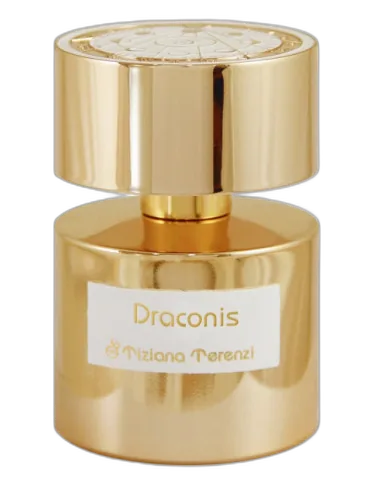
Tiziana Terenzi
Draconis Tiziana Terenzi
Shared top notes: grapefruit, lemon
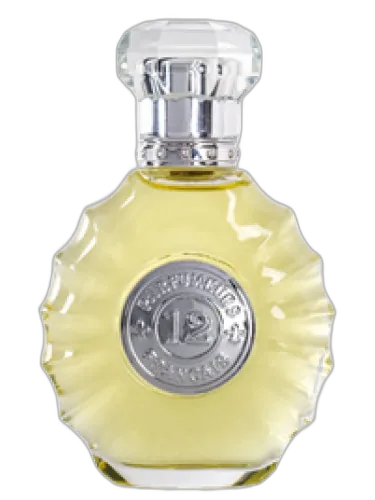
12 Parfumeurs Francais
Le Charmeur 12 Parfumeurs Francais
Shared top notes: lemon
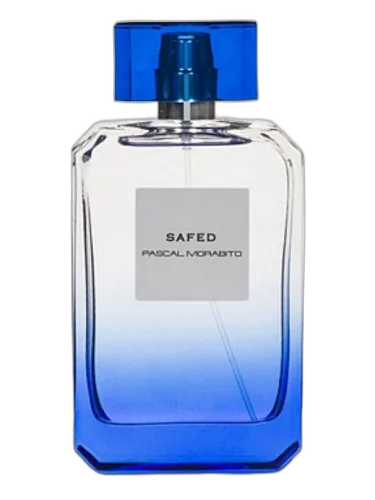
Pascal Morabito
Safed Pascal Morabito
Shared top notes: grapefruit, lemon

Benetton
Green Amazonia For Him Benetton
Shared top notes: grapefruit
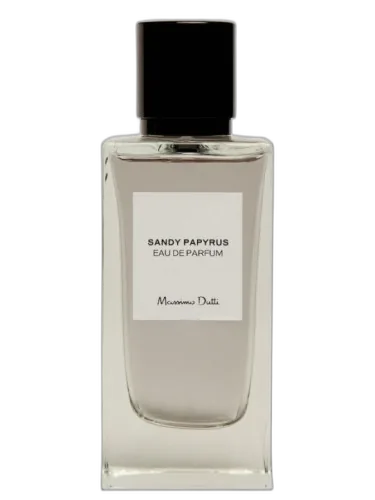
Massimo Dutti
Sandy Papyrus Eau De Parfum Massimo Dutti
Shared top notes: citron, grapefruit