
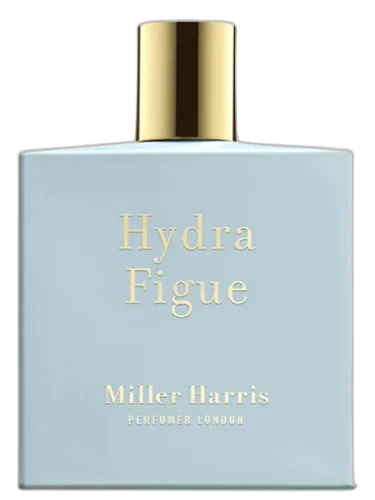

Hydra Figue Miller Harris
At a glance
Is Hydra Figue Miller Harris worth trying?
Hydra Figue by Miller Harris is a fragrance for women and men.
- Best match
- Casual, Office wear in Spring, Summer
- Performance feel
- Moderate longevity with Moderate sillage
- Signature profile
- marine, aromatic, woody with Ouzo, Ginger, Bergamot
The first impression
Hydra Figue by Miller Harris is a fragrance for women and men. This is a new fragrance. Hydra Figue was launched in 2023. The nose behind this fragrance is Emilie Bouge. Top notes are Ouzo, Ginger, Bergamot, Cardamom, Lemon and Saffron; middle notes are Fig, Marine notes, Sea Salt, Sage, Mirabilis and Tuberose; base notes are Oak, Sandalwood, Musk and Ambroxan.
What shapes the scent
The perfumer behind it

Emilie Bouge
Emilie Bouge is a perfumer closely associated with the French niche house Brecourt, where she has composed numerous fragrances such as Agaressence, Ambre Noir, and Avenue Montaigne. Her work for Brecourt showcases a range from woody ambers to fresh, transparent eaux. She is known for creating complex, refined scents that balance tradition with modernity.
Notes pyramid
Top Notes
First impression · 15-30 min
 Ouzo
Ouzo
 Ginger
 Bergamot
 Cardamom
 Lemon
Lemon
 Saffron
Heart Notes
Core character · 2-4 hours
 Fig
Fig
 Marine notes
Sea Salt
Marine notes
Sea Salt
 Sage
Sage
 Mirabilis
 Tuberose
Base Notes
Lasting impression · 4+ hours
 Oak
Oak
 Sandalwood
 Musk
Musk
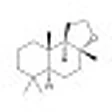 Ambroxan
The mood it creates
The Lover Archetype: Portrait of Hydra Figue Miller Harris
Essence
The one who chooses Hydra Figue by Miller Harris is drawn to its duality-the lush sweetness of fig, the green earthiness of leaves, the faint bitterness of wood. This fragrance is not loud, nor does it demand attention; it is contemplative, layered, and quietly confident. The Sage archetype best defines this person-a seeker of wisdom, a lover of subtle beauty, one who values depth over spectacle. They are not merely intellectual but sensual, not just a thinker but an aesthete. The Sage thrives in the interplay between knowledge and experience, between the mind and the senses.
Style & Aesthetic
Their tastes are refined but never ostentatious. They prefer understatement-linen over silk, matte over gloss, the muted elegance of a well-worn leather-bound book. Their home is a sanctuary of curated objects: a single Japanese ceramic, a shelf of philosophy and poetry, a record player spinning jazz or ambient compositions. They are drawn to the Mediterranean-not for its tourist beaches, but for its ancient olive groves, its quiet courtyards dappled in sunlight.
Philosophically, they reject dogma. Truth, to them, is not fixed but fluid-something to be tasted, like the shifting notes of their fragrance. They are drawn to Stoicism for its discipline, to existentialism for its embrace of ambiguity. They do not fear uncertainty; they find a strange comfort in it, as if life’s unanswered questions are what make it worth living.
Relationships
They do not collect friends; they cultivate them slowly, like rare plants. Their closest relationships are built on shared silences as much as conversation. They are not the life of the party, but the one you find in a corner discussing Borges or the nature of time with a single fascinated listener. Romantic partners are drawn to their quiet intensity, though some may grow frustrated by their occasional retreats into solitude.
Their love is deep but measured. They do not lose themselves in passion; they observe it, study it, savor it. This can make them seem detached, even cold-but in truth, they feel too much, and so they ration their emotions carefully. Their shadow here is a reluctance to surrender fully, a fear of losing control.
Shadow
The Sage’s greatest strength is also their flaw: their self-sufficiency. They can become too comfortable in their own mind, mistaking solitude for wisdom. At times, they withdraw into abstraction, analyzing life instead of living it. Their pursuit of knowledge can become escapism, a way to avoid the messiness of human connection.
There is also a quiet arrogance in them-a belief that their way of seeing the world is superior. They disdain the superficial, but this disdain can harden into cynicism. They must remember that wisdom without warmth is merely cleverness, and that the deepest truths are often found not in books, but in the unpredictable chaos of lived experience.
Conclusion
For the Sage to flourish, they must learn to step out of the library and into the street. To let the fig’s sweetness linger without dissecting it. To love without first needing to understand. Their fragrance, after all, is not just an idea-it is a sensation, a presence. And so must they be: not only a thinker, but a fully embodied being, alive in the world as much as in the mind.
If you like this, try these
Fragrances with a comparable profile - shared accords, notes, and character.

Roberto Cavalli
Roberto Cavalli Man Roberto Cavalli
Shared top notes: bergamot, ginger, lemon

Bastide Aix en Provence
Figue Amour Bastide Aix En Provence
Shared top notes: bergamot, cardamom
O Boticário
Zaad Go O Boticário
Shared top notes: bergamot, cardamom, lemon
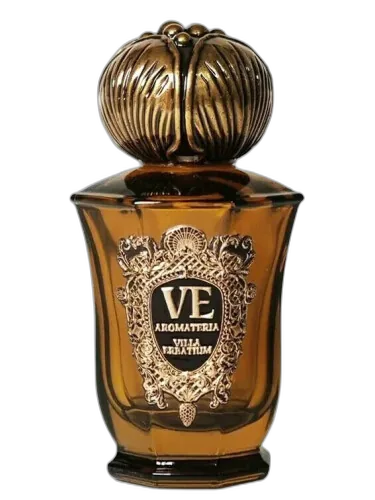
Villa Erbatium
Hotel Venice Villa Erbatium
Shared top notes: bergamot, lemon

Son Venïn
Ambr Super Son Venïn
Shared top notes: cardamom