
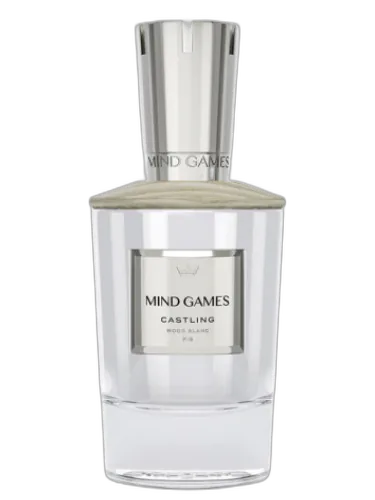

Castling Mind Games
At a glance
Is Castling Mind Games worth trying?
Castling by Mind Games is a fragrance for women and men.
- Best match
- Office wear in Spring
- Performance feel
- Good longevity with Moderate sillage
- Signature profile
- woody, powdery, green with Fig Leaf, Sea Salt, Bergamot
The first impression
Castling by Mind Games is a fragrance for women and men. This is a new fragrance. Castling was launched in 2022. The nose behind this fragrance is Christelle Laprade. Top notes are Fig Leaf, Sea Salt and Bergamot; middle notes are Iris, Lotus and Freesia; base notes are Sandalwood, Vanilla, Musk, Woodsy Notes and Madagascar Vetiver.
What shapes the scent
The perfumer behind it

Christelle Laprade
Christelle Laprade is a French perfumer who has worked for major brands like Avon, Banana Republic, and Christian Siriano. Her creations include Luiza Brunet Intensa, Wild Country, Midnight Hour, Monday Rose, Tuberose Overdose, Velvet Pomegranate, Bullet, and Silhouette. Her style ranges from fresh and floral to rich and fruity.
Notes pyramid
Top Notes
First impression · 15-30 min
 Fig Leaf
 Sea Salt
 Bergamot
Heart Notes
Core character · 2-4 hours
 Iris
Iris
 Lotus
Lotus
 Freesia
Base Notes
Lasting impression · 4+ hours
 Sandalwood
 Vanilla
 Musk
Woodsy Notes
Madagascar Vetiver
Musk
Woodsy Notes
Madagascar Vetiver
The mood it creates
The Magician Archetype: Portrait of Castling Mind Games
Essence
To wear Castling Mind Games is to embrace the art of strategy, illusion, and seduction-both intellectual and sensory. This fragrance, with its enigmatic blend of smoky woods, sharp spices, and elusive sweetness, is not for the passive or the predictable. It belongs to one who thrives on mental duels, who finds pleasure in the dance of wit and the thrill of the unexpected. Their archetype is unmistakable: the Trickster.
Shadow
For all their brilliance, the Trickster is not without flaws-ones that stem from the very qualities that make them compelling.
The Peril of Detachment
Their love of games can become a cage. When every interaction is a move in a larger strategy, authenticity becomes a casualty. They risk losing themselves in the performance, forgetting that not all of life is a puzzle to be solved.
The Curse of Restlessness
Boredom is their nemesis. Once a challenge is mastered, they abandon it, leaving behind half-finished projects, lovers, even friendships. Their brilliance is also their curse: they are forever seeking the next intrigue, the next intellectual conquest.
The Loneliness of the Mask
Behind the wit and the cunning lies a quiet fear: that if they ever stopped playing, they would find nothing beneath. The mask, worn so long, may have fused to the skin.
The Trickster is neither hero nor villain-they are the necessary disruptor, the one who ensures that no system grows too rigid, no mind too complacent. Their greatest strength is their ability to adapt, to see the world as a series of shifting possibilities.
Yet their greatest weakness is their refusal to be still. To wear Castling Mind Games is to embrace the thrill of the game-but the truest challenge lies in knowing when to set the board aside and simply exist.
They are the question that refuses an answer, the move that changes the game. And in that, they are utterly, dangerously alive.
Conclusion
The Trickster is the eternal disruptor, the one who upends convention not out of malice, but out of an insatiable curiosity for what lies beneath the surface. They are the jester who speaks truth in riddles, the strategist who moves unseen, the provocateur who forces others to question their own certainties.
This person is neither wholly good nor wholly wicked-they exist in the liminal space between, where rules are fluid and perception is everything. Their mind is a labyrinth, and they invite others to wander it, knowing full well that few will find the center.
If you like this, try these
Fragrances with a comparable profile - shared accords, notes, and character.

Victoria's Secret
Dream Angels Heavenly Victoria's Secret
Shared heart notes: freesia, iris, lotus
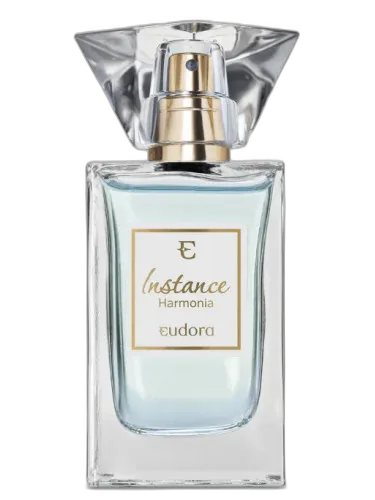
Eudora
Instance Harmonia Eudora
Shared top notes: bergamot
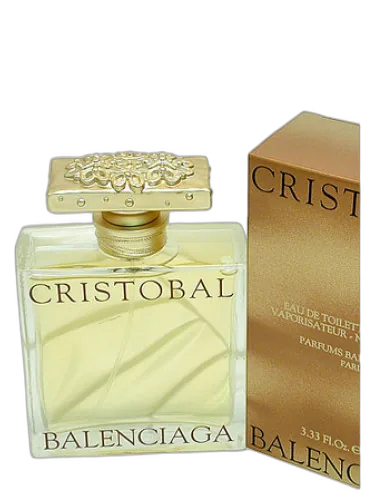
Balenciaga
Cristobal Balenciaga
Shared top notes: bergamot, fig leaf
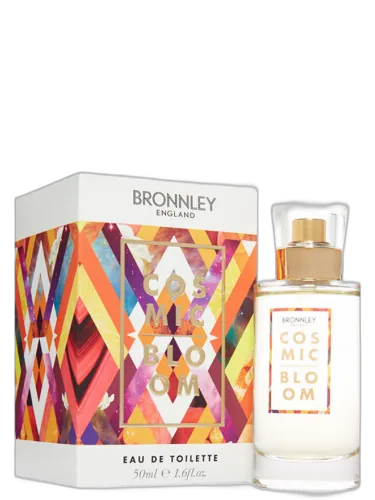
Bronnley
Cosmic Bloom Bronnley
Shared top notes: bergamot
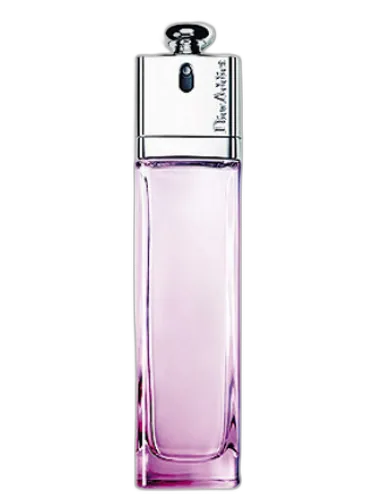
Dior
Dior Addict Eau Fraiche 2012 Dior
Shared top notes: bergamot