


Vesper Miraj
At a glance
Is Vesper Miraj worth trying?
Vesper by Miraj is a Oriental Woody fragrance for men.
- Best match
- Evening wear in Fall
- Performance feel
- Very Good longevity with Strong sillage
- Signature profile
- amber, warm spicy, woody with Blood Orange, Clove, Basil
The first impression
Vesper by Miraj is a Oriental Woody fragrance for men. This is a new fragrance. Vesper was launched in 2024. The nose behind this fragrance is Luca Maffei. Top notes are Blood Orange, Clove and Basil; middle notes are Leather, Tonka, Patchouli and Steam Accord; base notes are Benzoin, Cedarwood, Guaiac Wood and Vetiver.
What shapes the scent
The perfumer behind it

Luca Maffei
Luca Maffei is an Italian perfumer known for his work with Acca Kappa, creating scents like Black Pepper & Sandalwood and Tilia Cordata. He also composed Amnesia Rose for Aedes de Venustas and Ambre Gris for Alyssa Ashley. Maffei's style often blends natural ingredients with modern sophistication. His portfolio includes a range of floral, woody, and aromatic compositions.
Notes pyramid
Top Notes
First impression · 15-30 min
 Blood Orange
Clove
Blood Orange
Clove
 Basil
Basil
Heart Notes
Core character · 2-4 hours
 Leather
Tonka
Leather
Tonka
 Patchouli
Steam Accord
Patchouli
Steam Accord
Base Notes
Lasting impression · 4+ hours
 Benzoin
Cedarwood
Benzoin
Cedarwood
 Guaiac Wood
 Vetiver
The mood it creates
The Mystic Archetype: Portrait of Vesper Miraj
Essence
The person who cherishes Vesper Miraj as their signature fragrance is most closely aligned with the Mystic archetype-a seeker of hidden truths, a wanderer between worlds, one who finds meaning in the liminal spaces of existence. The Mystic is drawn to the enigmatic, the poetic, and the transcendent, always probing beneath the surface of reality. Vesper Miraj, with its blend of dark florals, smoky woods, and elusive spices, mirrors their essence: a soul that thrives in twilight, neither fully bound to earth nor entirely lost in dreams.
Style & Aesthetic
Their tastes are refined but never ostentatious. They prefer the understated elegance of deep burgundies, aged leather, and the muted glow of candlelight over harsh fluorescents. In art, they gravitate toward the surreal-Dali’s melting clocks, Klimt’s golden symbolism, or the haunting poetry of Rilke. Music for them is an invocation: the baroque melancholy of Arvo Pärt, the hypnotic pulse of Dead Can Dance, or the whispered confessions of Leonard Cohen.
Fashion is an extension of their inner world-structured yet fluid, like a modern-day alchemist. They favor tailored coats in charcoal or midnight blue, scarves that seem to carry the scent of distant lands, and jewelry with obscure symbolism. Their home is a sanctuary of curiosities: antique books, dried botanicals in glass jars, a collection of odd stones gathered from forgotten shores.
They rise late or wake before dawn, depending on the season’s mood. Their mornings are rituals: black coffee in a heavy ceramic cup, the deliberate turning of pages in a journal, the slow unfurling of thought. They work in bursts of inspiration, often in professions that allow for solitude-writing, painting, psychotherapy, or archival research.
Travel is not escapism but pilgrimage. They seek places where history lingers like incense-Venetian alleyways, Moroccan riads, the mist-covered hills of Kyoto. Yet they are just as content in a dimly lit corner of a local café, watching the world pass by as if it were a dream.
Philosophy & Values
They reject the tyranny of the obvious. For them, life is not a problem to be solved but a mystery to be lived. They are drawn to esoteric traditions-Kabbalah, alchemy, Sufi poetry-not as dogmas, but as maps of the soul’s terrain. They believe in the sacredness of solitude, the necessity of doubt, and the wisdom of paradox.
Their values are rooted in depth over dogma. They despise superficiality, yet they are not ascetics-they understand that beauty is a form of truth. They value loyalty but refuse blind allegiance; their relationships must withstand the weight of existential questioning.
Relationships
They are not gregarious, but neither are they reclusive. Their friendships are few but profound, built on shared silences as much as shared words. They attract those who sense something hidden in them-an unspoken knowing, a quiet intensity. Romantic partners must be comfortable with shadows, for the Mystic’s love is deep but never simple. They do not offer easy affection; their love is a slow-burning fire, demanding patience and perception.
Yet their detachment can be mistaken for coldness. They withdraw without warning, disappearing into their inner labyrinth. Those who need constant reassurance will find them frustrating, even cruel. But for those who understand, their presence is a rare gift-an invitation to see the world through older, wiser eyes.
Shadow
The Mystic’s strength is also their flaw. Their love of depth can become an aversion to the mundane, a refusal to engage with life’s necessary trivialities. They may grow disdainful of those who do not share their introspection, dismissing them as shallow. Their withdrawal, once a sanctuary, can harden into isolation.
Worse still, their fascination with the hidden can lead them into self-deception. They may mistake obscurity for profundity, weaving elaborate mythologies around themselves to avoid the vulnerability of being known. In their quest for transcendence, they risk forgetting how to be human.
Conclusion
The true challenge for the Mystic is not to abandon their depth but to root it in the world. Vesper Miraj is not just a scent of shadows-it carries warmth, spice, a hint of the sensual. So too must the Mystic learn to embrace the body, the present moment, the imperfect beauty of the ordinary. When they do, they become not just seekers but guides, showing others how to navigate the dark without fear.
They are the ones who remind us that life is not a riddle to be solved but a poem to be lived-line by line, breath by breath.
If you like this, try these
Fragrances with a comparable profile - shared accords, notes, and character.
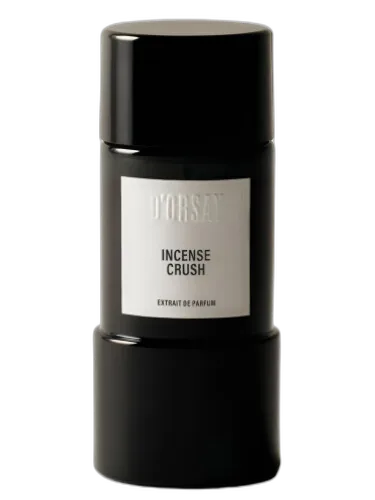
D’ORSAY
Incense Crush D’orsay
Shared top notes: clove
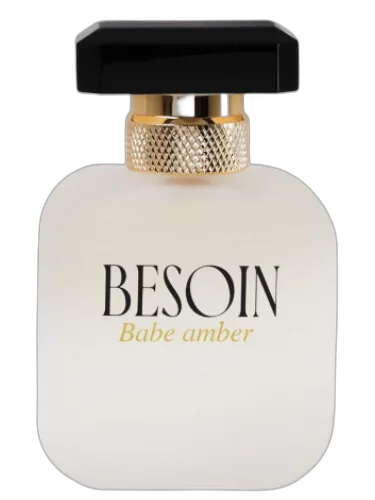
Besoin
Babe Amber Besoin
Shared heart notes: patchouli

Kajal
Sawlaj Kajal
Shared heart notes: leather, patchouli

One Seed
Slow Fire One Seed
Shared top notes: basil, blood orange
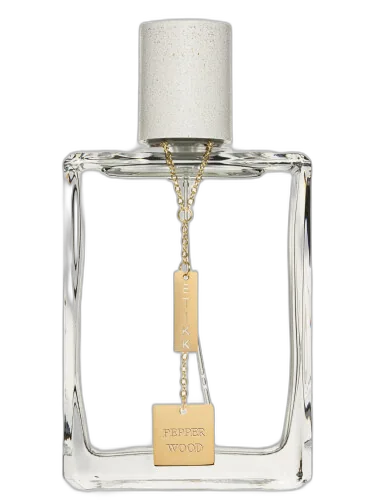
ETIKK Fragrances
Pepper Wood Etikk Fragrances
Shared top notes: basil, clove