
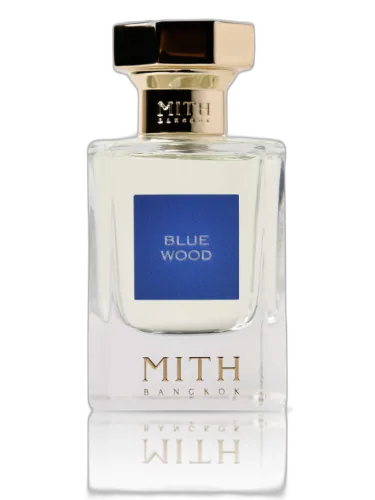

Blue Wood Mith
At a glance
Is Blue Wood Mith worth trying?
Blue Wood by Mith is a Aromatic Spicy fragrance for men.
- Best match
- Evening wear in Fall
- Performance feel
- Very Good longevity with Moderate sillage
- Signature profile
- woody, fresh spicy, citrus with Black Pepper, Lavender, Bergamot
The first impression
Blue Wood by Mith is a Aromatic Spicy fragrance for men. This is a new fragrance. Blue Wood was launched in 2022. The nose behind this fragrance is Hamid Merati-Kashani. Top notes are Black Pepper, Lavender, Bergamot, Pink Grapefruit, Bitter Orange and Cypress; middle notes are Jasmine, Geranium, Lilac and Violet; base notes are Vanillin, Patchouli, Guaiac Wood and Sandalwood.
What shapes the scent
The perfumer behind it

Hamid Merati-Kashani
Hamid Merati-Kashani is a perfumer with a diverse portfolio spanning multiple brands. He created Al Majed Oud's Royale, Alexandria Fragrances' Vanilla Stallion, and Andreea Rada's Sapphire Serenity and Velvety Touch. His work also includes Angel Schlesser's Deep Leather, Sensual Patchouli, and Sublime Rose, as well as Assaf's Gris Erik.
Notes pyramid
Top Notes
First impression · 15-30 min
 Black Pepper
 Lavender
 Bergamot
Pink Grapefruit
Bergamot
Pink Grapefruit
 Bitter Orange
 Cypress
Heart Notes
Core character · 2-4 hours
 Jasmine
 Geranium
 Lilac
Lilac
 Violet
Base Notes
Lasting impression · 4+ hours
 Vanillin
 Patchouli
 Guaiac Wood
 Sandalwood
The mood it creates
The Archetype Archetype: Portrait of Blue Wood Mith
Essence
The one who chooses Blue Wood Myth as their signature scent is drawn to its duality-the crisp, intellectual clarity of blue accords paired with the grounding depth of aged wood. This fragrance mirrors their essence: a seeker of truth, a thinker who navigates the world with quiet intensity. Above all, they embody The Sage, the archetype of wisdom, insight, and relentless curiosity. Their mind is their sanctuary, and their greatest battles are waged in the realm of ideas.
Style & Aesthetic
Their appearance is deliberate but never ostentatious. They favor clean lines, muted tones, and textures that suggest both refinement and restraint-wool, linen, well-worn leather. Their style speaks of understated confidence, a refusal to be swayed by trends. They might wear a perfectly tailored coat or a minimalist watch, each piece chosen for its quiet statement rather than its flash.
Their living space reflects the same ethos: bookshelves filled with well-loved volumes, a writing desk bathed in natural light, perhaps a single piece of abstract art that invites contemplation rather than immediate understanding.
They thrive in environments that stimulate their intellect-libraries, quiet cafés, solitary walks in nature where they can think uninterrupted. They may be drawn to careers in academia, writing, psychology, or any field where insight is currency. Routine is their ally, but not out of rigidity-rather, because it frees their mind for higher pursuits.
Yet, they must beware the trap of over-intellectualization. Life cannot always be dissected; some truths are felt, not reasoned. Their shadow emerges when they retreat too far into thought, neglecting the body, the senses, the simple joys of being.
Philosophy & Values
They believe in the power of knowledge-not as mere accumulation, but as transformation. To them, wisdom is not found in books alone but in the silent observation of human nature, in the patterns of history, in the quiet moments where truth reveals itself. They are drawn to stoicism, existentialism, and perhaps even Zen, valuing detachment not as coldness but as a means to see clearly.
Yet, their pursuit of understanding is not without cost. They may disdain dogma, but they risk replacing it with their own rigid frameworks. Their love for reason can become a fortress, isolating them from the raw, messy vitality of life.
Relationships
They are not the life of the party, nor do they wish to be. Their friendships are few but profound, built on mutual respect and intellectual kinship. They listen more than they speak, and when they do speak, their words carry weight. Romantic partners are drawn to their depth, but may eventually chafe against their emotional reserve-their love is steady, but not effusive.
Their greatest challenge in relationships is vulnerability. They analyze emotions before feeling them, dissecting love and pain as if they were philosophical problems rather than lived experiences. This can make them seem distant, even when they care deeply.
Shadow
The Sage’s greatest weakness is their own brilliance. In their quest for understanding, they may forget that wisdom without warmth is barren. They risk becoming the aloof observer rather than the engaged participant, mistaking detachment for enlightenment. When unbalanced, they grow cynical, dismissing what they cannot rationalize.
But when they integrate their shadow-when they allow themselves to be foolish, to feel without analyzing, to step into the world rather than merely study it-they become not just thinkers, but true sages: wise not only in mind, but in soul.
Blue Wood Myth is their scent because it, too, is a paradox: cool yet warm, sharp yet deep. Like them, it does not shout. It lingers, it provokes thought, it leaves an impression long after the first encounter.
If you like this, try these
Fragrances with a comparable profile - shared accords, notes, and character.
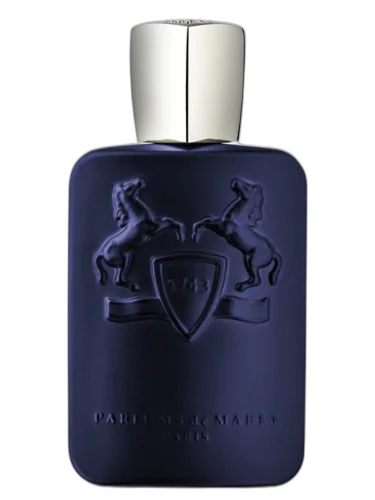
Parfums de Marly
Layton Parfums De Marly
Shared top notes: bergamot, lavender
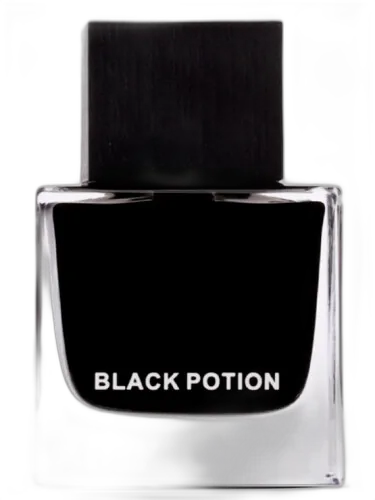
Aurora Scents
Black Potion Aurora Scents
Shared top notes: bergamot, lavender

Thera Cosméticos
Lion Thera Cosméticos
Shared top notes: bergamot, lavender
RE CLASSIFIED RE调香室
Yin Candle 隐世灯火 Re Classified Re调香室
Shared top notes: bergamot, lavender

Gucci
Guilty Love Edition Mmxxi Pour Femme Gucci
Shared top notes: bergamot