
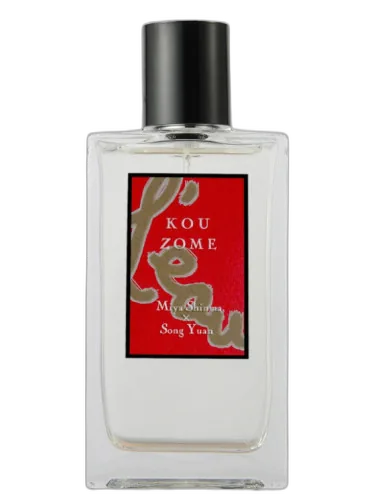

Kouzome Miya Shinma
At a glance
Is Kouzome Miya Shinma worth trying?
KOUZOME by Miya Shinma is a Oriental Floral fragrance for women and men.
- Best match
- Evening wear in Fall
- Performance feel
- Good longevity with Moderate sillage
- Signature profile
- floral, woody, warm spicy with Pink Lotus, Palisander Rosewood, Jujube Blossom
The first impression
KOUZOME by Miya Shinma is a Oriental Floral fragrance for women and men. This is a new fragrance. The nose behind this fragrance is Miya Shinma. Top notes are Pink Lotus and Palisander Rosewood; middle notes are Jujube Blossom, Rose, Cloves and Precious Woods; base notes are Sandalwood, Benzoin, Vanilla and White Musk.
What shapes the scent
The perfumer behind it

Miya Shinma
Miya Shinma is a Japanese perfumer based in Paris, known for her eponymous brand that blends Eastern and Western olfactory traditions. Her creations include Feuillage Vert, a green and dewy scent, and Hana, a delicate floral. Shinma also composed Hinoki, Kaze, Kikyo, and the Kimono Collection variations, which often feature natural Japanese ingredients like hinoki wood and yuzu.
Notes pyramid
Top Notes
First impression · 15-30 min
 Pink Lotus
 Palisander Rosewood
Heart Notes
Core character · 2-4 hours
 Jujube Blossom
 Rose
Rose
 Cloves
Precious Woods
Cloves
Precious Woods
Base Notes
Lasting impression · 4+ hours
 Sandalwood
 Benzoin
 Vanilla
White Musk
Vanilla
White Musk
The mood it creates
The Alchemist Archetype: Portrait of Kouzome Miya Shinma
Essence
This person is most closely aligned with the Sage archetype-a seeker of wisdom, a quiet observer who distills the world into meaning. Like the fragrance they favor, which blends delicate florals with earthy depth, they are drawn to the interplay of beauty and intellect. The Sage does not merely accumulate knowledge; they refine it into something personal, almost alchemical. Kouzome Miya Shinma, with its poetic balance of lightness and mystery, mirrors their essence-someone who appreciates subtlety but is not afraid of the shadows.
Style & Aesthetic
Their aesthetic is understated elegance with an edge of mystery. They prefer clothing that suggests rather than declares-tailored but not stiff, fabrics that move with intention. Earth tones, deep blues, and muted grays dominate their wardrobe, mirroring the fragrance’s balance of warmth and coolness.
In art, they are drawn to the symbolic and the ambiguous. A painting that reveals itself slowly, a piece of music that lingers in the mind long after it ends-these are the things that captivate them. They have little patience for the obvious or the garish, preferring works that demand engagement.
Their daily life is intentional but not rigid. They thrive in environments that allow for contemplation-a quiet study, a dimly lit café, a solitary walk at dusk. Routine does not stifle them; rather, it provides the structure within which they can wander mentally.
They are drawn to ritual, whether it’s the careful preparation of tea or the deliberate selection of a fragrance. These small acts are not mere habits but ceremonies of presence, grounding them in the moment.
Philosophy & Values
Their worldview is shaped by a deep curiosity about the unseen. They believe truth is not found in absolutes but in the spaces between-the fleeting scent of a flower, the quiet pause in conversation, the unspoken tension in art. They value introspection, authenticity, and nuance, often rejecting dogma in favor of their own refined perceptions.
Yet, this pursuit of wisdom is not purely academic. They see life as an experiment, a series of carefully chosen experiences meant to be savored and analyzed. Their philosophy is neither rigid nor entirely fluid-it is a distillation, like a perfumer blending notes until they resonate just so.
Relationships
They are selective in their connections, valuing depth over breadth. Their friendships are built on mutual intellectual and emotional resonance, not mere convenience. They listen more than they speak, but when they do speak, their words carry weight.
Romantically, they seek a partner who understands their need for both intimacy and independence. They are not possessive, nor do they tolerate possessiveness in others. Love, to them, is a shared exploration-not ownership.
Yet, their introspective nature can make them distant. They may withdraw into their mind, leaving others feeling shut out. Their shadow is the Hermit, the side of the Sage that forgets wisdom is meant to be shared, not hoarded.
Shadow
The Sage’s greatest strength-their ability to analyze and reflect-can also become their flaw. When unbalanced, they may over-intellectualize emotions, treating their own and others’ feelings as puzzles to solve rather than experiences to embrace. Their detachment, though often protective, can harden into emotional austerity.
They may also fall into the trap of perpetual seeking, always chasing the next insight but never fully embodying what they’ve learned. Wisdom, after all, is not just knowing-it is living.
Conclusion
The lover of Kouzome Miya Shinma is neither purely light nor shadow-they are the space where the two meet. They understand that wisdom is not just found in books but in the scent of rain, the texture of a lover’s skin, the quiet moments between words. Their challenge is to remain open-not just to ideas, but to life itself.
They are, in the end, an alchemist-turning observation into meaning, solitude into connection, and fragrance into memory.
If you like this, try these
Fragrances with a comparable profile - shared accords, notes, and character.
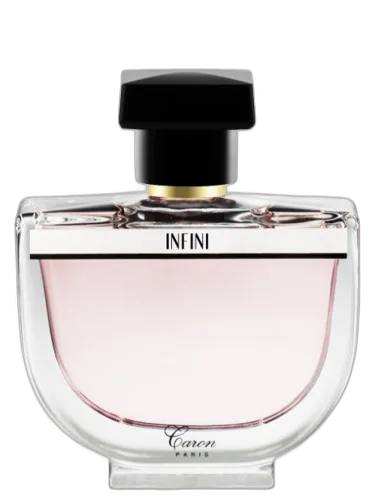
Caron
Infini (2018) Caron
Shared base notes: benzoin, sandalwood, vanilla

Porsche Design
Porsche Design Satin Porsche Design
Shared heart notes: rose

Esscentual Alchemy
Helena Mmxiv Esscentual Alchemy
Shared top notes: palisander rosewood
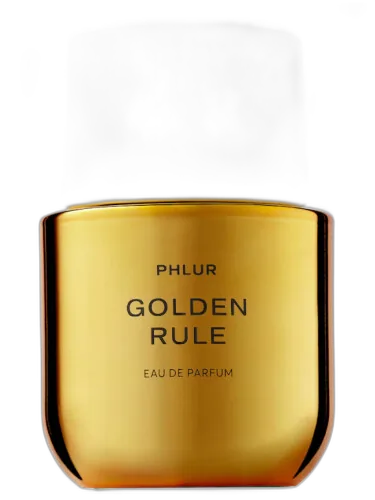
Phlur
Golden Rule Phlur
Shared base notes: benzoin, sandalwood, vanilla

Giorgio Armani
Emporio Armani Diamonds Black Carat For Her Giorgio Armani
Shared heart notes: rose