


Temple Mizu
At a glance
Is Temple Mizu worth trying?
Temple by Mizu is a Floral Woody Musk fragrance for women and men.
- Best match
- Casual wear in Spring, Summer
- Performance feel
- Moderate longevity with Moderate sillage
- Signature profile
- aromatic, fresh spicy, citrus with Bergamot, Red Cedar, Osmanthus
The first impression
Temple by Mizu is a Floral Woody Musk fragrance for women and men. The nose behind this fragrance is Mason Hainey. Top notes are Bergamot and Red Cedar; middle note is Osmanthus; base notes are Lotus, Myrrh and Labdanum.
What shapes the scent
The perfumer behind it

Mason Hainey
Mason Hainey is a perfumer known for his work with the Mizu collection, creating scents like Monarch Mizu and Moonflower Mizu. He also contributed to the Scent Trunk line with Beeswax Scent Trunk. His fragrances often explore natural and aromatic themes.
Notes pyramid
Top Notes
First impression · 15-30 min
 Bergamot
 Red Cedar
Heart Notes
Core character · 2-4 hours
 Osmanthus
Base Notes
Lasting impression · 4+ hours
 Lotus
Lotus
 Myrrh
Myrrh
 Labdanum
The mood it creates
The Sage Archetype: Portrait of Temple Mizu
Essence
Temple embodies the Sage, a figure who cultivates wisdom like a garden. The bergamot's clarity and the lotus's serenity create an aura of quiet knowing-a mind that observes the world without haste or hunger. This is a fragrance for those who find truth in stillness.
Style & Aesthetic
They favor unadorned elegance: linen tunics, wooden beads, a single silver ring. The red cedar and osmanthus lend a clean, slightly spicy warmth to their presence, as if they've just come from a sunlit courtyard. Their aesthetic is the opposite of clutter.
Philosophy & Values
They measure time in seasons, not seconds. The myrrh and labdanum base notes reflect a belief in the slow accumulation of insight-real understanding, like resin, takes years to form. For them, every moment is both student and teacher.
Relationships
They listen more than they speak, and their silence is a gift. The osmanthus's floralcy suggests a tenderness beneath the reserve; their love is steady as a rooted tree. Friends come to them not for advice, but for the space to hear their own thoughts.
Lifestyle
Dawn meditation, afternoon tea, evenings spent annotating old texts. The moderate sillage mirrors their influence-subtle but pervasive. Even their leisure is contemplative: pruning bonsai, studying the flight patterns of birds.
Shadow
The Sage may mistake detachment for enlightenment. The bergamot's freshness risks becoming austerity; the lotus may float too far from the mud. Wisdom untested by life is merely theory.
Conclusion
Temple is a sanctuary in scent form. Like the Sage who wears it, the fragrance balances citrus brightness with woody depth, a reminder that the truest knowledge grows from groundedness.
If you like this, try these
Fragrances with a comparable profile - shared accords, notes, and character.
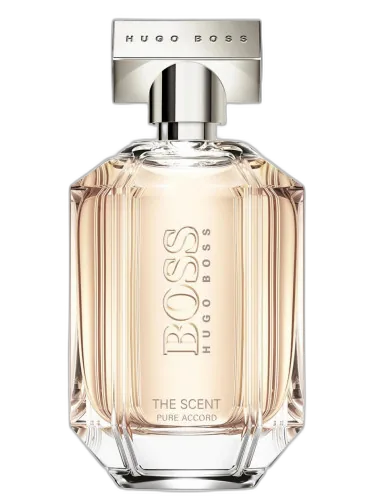
Hugo Boss
Boss The Scent Pure Accord For Her Hugo Boss
Shared top notes: bergamot

Jo Malone London
Osmanthus Blossom Jo Malone London
Shared heart notes: osmanthus
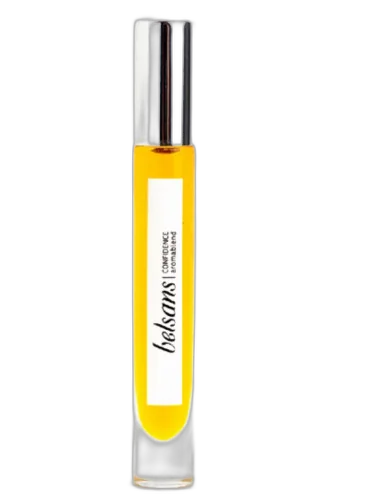
Belsans
Confidence Belsans
Shared top notes: bergamot
Seren
Willow Seren
Shared heart notes: osmanthus
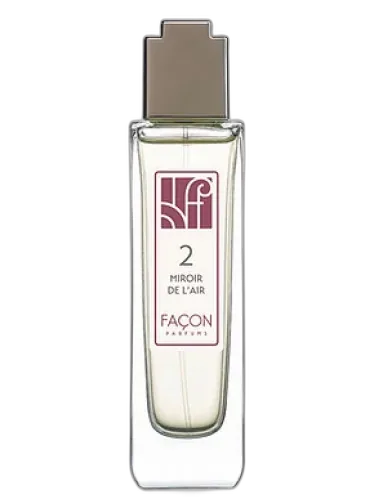
Parfums de Folleville
Miroir De L'air Parfums De Folleville
Shared heart notes: osmanthus