
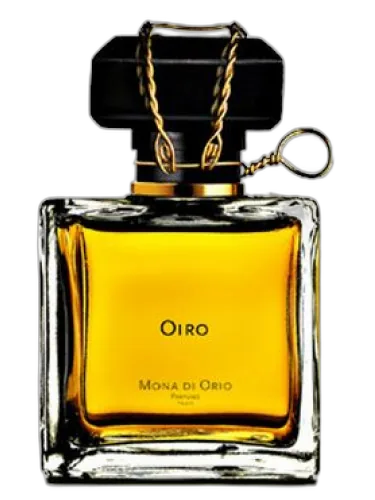
Oiro Mona Di Orio
At a glance
Is Oiro Mona Di Orio worth trying?
Oiro by Mona di Orio is a Oriental Woody fragrance for women and men.
- Best match
- Evening, Special Occasion wear in Fall, Winter
- Performance feel
- Good longevity with Moderate sillage
- Signature profile
- white floral, floral, sweet with Sweet Pea, Spices, Mandarin Orange
The first impression
Oiro by Mona di Orio is a Oriental Woody fragrance for women and men. Oiro was launched in 2006. The nose behind this fragrance is Mona di Orio. Top notes are Sweet Pea, Spices and Mandarin Orange; middle notes are Jasmine, Heliotrope, Ylang-Ylang, Vetiver and Olibanum; base notes are Immortelle, Amber, Cedar and Musk.
What shapes the scent
The perfumer behind it

Mona di Orio
Mona di Orio was a French perfumer known for her eponymous brand, which includes Ambre, Amyitis, Carnation, Cuir, Eau Absolue, Lux, Musc, and Nuit Noire. Her style blended classical French perfumery with bold, artistic interpretations of raw materials. She focused on rich, complex compositions that highlighted the beauty of natural ingredients.
Notes pyramid
Top Notes
First impression · 15-30 min
 Sweet Pea
 Spices
 Mandarin Orange
Heart Notes
Core character · 2-4 hours
 Jasmine
 Heliotrope
 Ylang-Ylang
 Vetiver
Olibanum
Vetiver
Olibanum
Base Notes
Lasting impression · 4+ hours
 Immortelle
 Amber
Amber
 Cedar
Cedar
 Musk
Musk
The mood it creates
The Alchemist Archetype: Portrait of Oiro Mona Di Orio
Essence
The Alchemist archetype seeks to transmute the ordinary into the extraordinary. Oiro is a complex, evolving scent that mirrors this process. The bright, spicy opening of Sweet Pea and Mandarin Orange is a flash of raw potential. The heart of Jasmine, Ylang-Ylang, and Vetiver is a rich, floral fusion, while the base of Immortelle, Amber, and Cedar is a warm, resinous gold, the philosopher’s stone of the composition.
Style & Aesthetic
The Alchemist’s style is eclectic and layered. They mix vintage finds with modern pieces, creating a unique, personal aesthetic. They are drawn to textures like rough linen, polished metal, and raw stone. Their spaces are laboratories of creativity, filled with books, specimens, and half-finished projects. They value the patina of age and the beauty of imperfection.
Philosophy & Values
Transmutation is the Alchemist’s core value. They believe in the potential for growth and change in all things. They see challenges as raw material for transformation and are drawn to processes that refine and elevate. Their philosophy is one of patience and persistence, knowing that true change takes time and careful attention.
Relationships
In relationships, the Alchemist is a catalyst for growth. They see the potential in others and encourage them to evolve. They are supportive but not smothering, offering guidance without imposing their will. They seek a partner who is also on a path of self-development, someone with whom they can share the journey of becoming. They may struggle with restlessness, always seeking the next transformation.
Lifestyle
The Alchemist’s life is a series of experiments. They might be found in the kitchen, creating new recipes, or in the garden, cultivating rare herbs. Their home is filled with projects in various stages of completion. They are drawn to practices like fermentation, distilling, or herbalism, any process that involves transformation. Their daily routine is flexible, adapting to the needs of their current work.
Shadow
The Alchemist’s shadow is the risk of never being satisfied. Their constant drive for transformation can prevent them from appreciating the present moment. They may discard what is good in search of what is perfect, never feeling that their work is complete. This shadow can lead to a sense of perpetual dissatisfaction and a failure to enjoy the fruits of their labor.
Conclusion
Oiro is the scent of a life in constant becoming. It is a rich, evolving fragrance that rewards patience and attention. For the Alchemist, it is a reminder that the journey of transformation is its own reward, and that true gold is found not in the final product, but in the process of creation itself.
If you like this, try these
Fragrances with a comparable profile - shared accords, notes, and character.
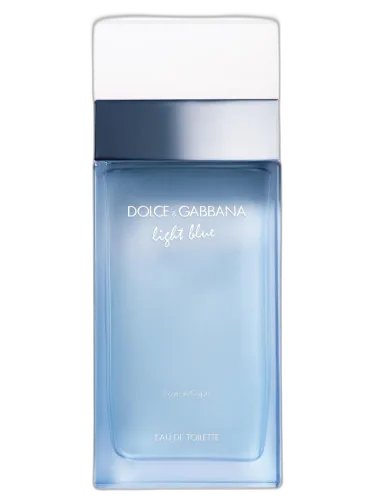
Dolce&Gabbana
Light Blue Love In Capri Dolce&gabbana
Shared top notes: mandarin orange
Germaine Monteil
Soon Germaine Monteil
Shared top notes: mandarin orange
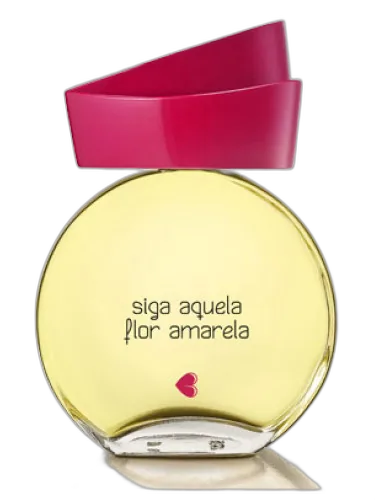
Quem Disse Berenice
Siga Aquela Flor Amarela Quem Disse Berenice
Shared top notes: mandarin orange

Haute Fragrance Company HFC
Red Iceberg Haute Fragrance Company Hfc
Shared top notes: mandarin orange

O Boticário
Alchemists Neroli O Boticário
Shared top notes: mandarin orange