
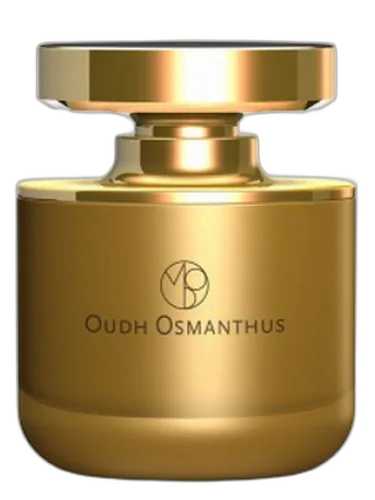

Oudh Osmanthus Mona Di Orio
At a glance
Is Oudh Osmanthus Mona Di Orio worth trying?
Oudh Osmanthus by Mona di Orio is a Oriental fragrance for women and men.
- Best match
- Evening, Special Occasion wear in Fall, Winter
- Performance feel
- Very Good longevity with Strong sillage
- Signature profile
- woody, oud, floral with Petitgrain, elemi, Green Mandarin
The first impression
Oudh Osmanthus by Mona di Orio is a Oriental fragrance for women and men. Oudh Osmanthus was launched in 2011. The nose behind this fragrance is Mona di Orio. Top notes are Petitgrain, elemi and Green Mandarin; middle notes are Osmanthus, Cypriol Oil or Nagarmotha and Patchouli; base notes are Agarwood (Oud), Atlas Cedar, Musk and Ambergris.
What shapes the scent
The perfumer behind it

Mona di Orio
Mona di Orio was a French perfumer known for her eponymous brand, which includes Ambre, Amyitis, Carnation, Cuir, Eau Absolue, Lux, Musc, and Nuit Noire. Her style blended classical French perfumery with bold, artistic interpretations of raw materials. She focused on rich, complex compositions that highlighted the beauty of natural ingredients.
Notes pyramid
Top Notes
First impression · 15-30 min
 Petitgrain
 elemi
Green Mandarin
elemi
Green Mandarin
Heart Notes
Core character · 2-4 hours
 Osmanthus
 Cypriol Oil or Nagarmotha
 Patchouli
Base Notes
Lasting impression · 4+ hours
 Agarwood (Oud)
 Atlas Cedar
 Musk
Musk
 Ambergris
The mood it creates
The Alchemist Archetype: Portrait of Oudh Osmanthus Mona Di Orio
Essence
The Alchemist seeks transformation, turning base materials into gold. Oudh Osmanthus embodies this archetype through its masterful fusion of luminous osmanthus and shadowy oud. The perfume begins with a burst of citrus and elemi, a bright promise, before descending into the dark, resinous heart where apricot-like florals meet smoky cypriol and earthy patchouli. This is not a simple contrast but a true synthesis, a third thing born from the union of light and dark. The Alchemist knows that true power lies in integration, and this scent is their signature.
Style & Aesthetic
The Alchemist's style is one of deliberate, curated contrasts. They might pair a raw silk kimono with worn leather boots, or a minimalist black dress with a single, ancient piece of jewelry. Their aesthetic is neither purely modern nor antique; it is timeless, drawn from many eras and cultures. They appreciate the patina of age and the gleam of the new, finding beauty in the tension between them. Their wardrobe is a laboratory of textures: smooth, rough, matte, and gloss, all in service of a singular, powerful impression.
Philosophy & Values
The Alchemist values transformation above all else. They believe that nothing is fixed, that every substance, every person, every situation contains the potential for change. They are drawn to paradox and complexity, seeing them not as obstacles but as raw materials for a higher synthesis. Their core belief is that true beauty is earned through process, not given. They are patient, understanding that the deepest transformations require time, pressure, and the willingness to be broken down and rebuilt. They seek the philosopher's stone in every endeavor.
Relationships
In relationships, the Alchemist is a catalyst. They are drawn to people with hidden depths, those who are not yet fully realized. They are not interested in superficial connections but in the slow, intimate work of mutual transformation. They can be intense, their presence forcing others to confront their own shadows and potentials. They are loyal to those who are willing to grow, but they have little patience for stagnation. Their love is a crucible, a space where both parties are refined, sometimes painfully, into something more true.
Lifestyle
The Alchemist's life is a series of rituals and experiments. Their home is a sanctuary of collected objects: dried herbs, antique books, crystals, and half-finished projects. They might practice meditation, fermentation, or perfumery itself. Mornings are for quiet contemplation, evenings for deep work or intimate gatherings. They are drawn to the liminal spaces: dusk, dawn, the turning of the seasons. They travel not to see sights but to find new ingredients for their inner work, new scents, sounds, and textures to transmute into meaning.
Shadow
The Alchemist's shadow is the danger of obsession. They can become so focused on the process of transformation that they lose sight of the present moment, treating themselves and others as mere experiments. Their desire to perfect can become a form of cruelty, a refusal to accept anything as it is. They may isolate themselves in their inner laboratory, mistaking solitude for wisdom. The shadow of the Alchemist is the cold, detached scientist who forgets that the goal of transformation is not perfection, but wholeness.
Conclusion
Oudh Osmanthus is the scent of the Alchemist who has succeeded in their great work. It is a perfume of resolved tension, where the luminous and the dark are no longer in conflict but in harmony. It is a reminder that the most profound beauty arises not from purity, but from the courageous integration of all that we are. To wear it is to declare that you are both the raw material and the master of your own becoming.
If you like this, try these
Fragrances with a comparable profile - shared accords, notes, and character.
Sikelia
Triskelé Sikelia
Shared top notes: petitgrain
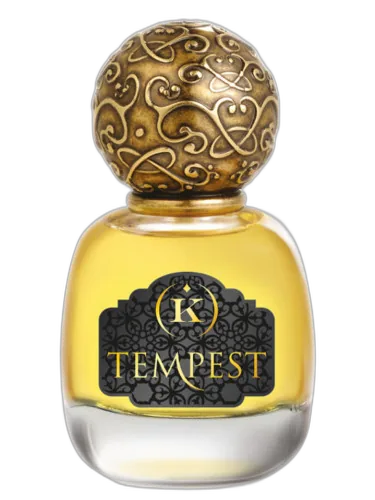
Kemi Blending Magic
Tempest Kemi Blending Magic
Shared top notes: elemi, petitgrain
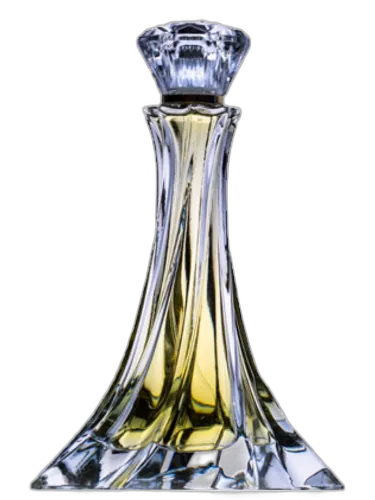
Elegantes
Amber Wood Elegantes
Shared heart notes: patchouli

Oryn House
Narcotic Oud Oryn House
Shared heart notes: cypriol oil or nagarmotha, patchouli
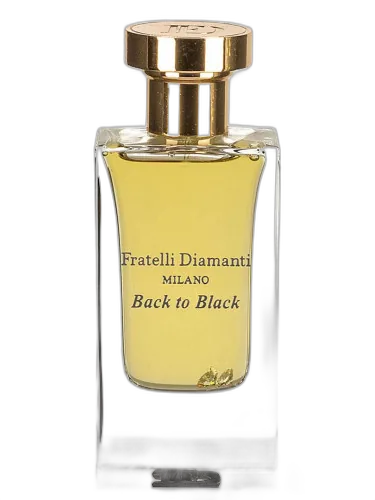
Fratelli Diamanti
Back To Black Fratelli Diamanti
Shared heart notes: cypriol oil or nagarmotha, patchouli