
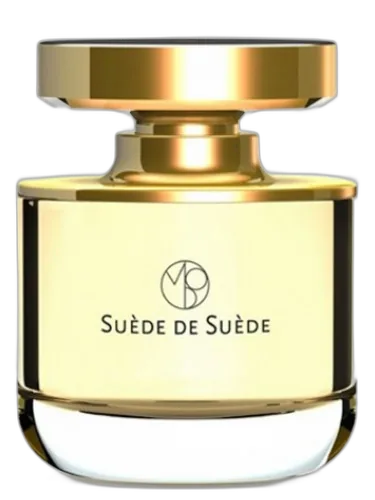

Suède De Suède Mona Di Orio
At a glance
Is Suède De Suède Mona Di Orio worth trying?
Suède de Suède by Mona di Orio is a Leather fragrance for women and men.
- Best match
- Evening wear in Fall
- Performance feel
- Good longevity with Moderate sillage
- Signature profile
- leather, musky, woody with Suede, Osmanthus, Sichuan Pepper
The first impression
Suède de Suède by Mona di Orio is a Leather fragrance for women and men. Suède de Suède was launched in 2017. The nose behind this fragrance is Fredrik Dalman.
What shapes the scent
The perfumer behind it

Fredrik Dalman
Fredrik Dalman is a Swedish perfumer who has collaborated with the house of Mona di Orio. He has crafted a variety of scents including Bohea Bohème, Café Simien, and Mellifera. Dalman's work is characterized by a focus on natural ingredients and complex, artistic compositions.
Notes pyramid
All Notes
Complete scent profile
 Suede
Suede
 Osmanthus
 Sichuan Pepper
 Cedar
Cedar
 Cloudberry
 Patchouli
 Castoreum
 Strawberry Leaf
 Musk
Musk
The mood it creates
The Sage Archetype: Portrait of Suède De Suède Mona Di Orio
Essence
To wear Suède de Suède by Mona di Orio is to embrace a fragrance that is neither loud nor meek-it is a quiet declaration of discernment. The scent is a paradox: supple yet structured, warm yet restrained, evoking the texture of well-worn leather softened by time. The person who chooses this fragrance does not seek to dominate the room but to inhabit it with quiet authority. They are, at their core, a Sage-an archetype defined by wisdom, introspection, and a relentless pursuit of truth.
Relationships
Their relationships are few but profound. They do not suffer fools gladly, yet they are not cruel in their dismissals-merely unapologetic. When they love, it is with a quiet intensity, offering loyalty and insight rather than effusive declarations. Their closest bonds are with those who share their intellectual curiosity, those who can spar with ideas without taking offense.
Yet this very selectivity can become a flaw. The Sage’s shadow is dogmatism-the conviction that their way of seeing the world is the only valid one. They may dismiss emotions as irrational or undervalue spontaneity, seeing it as frivolity. In moments of weakness, they might retreat into intellectual arrogance, using knowledge as a shield against vulnerability.
Shadow
The Sage’s greatest strength-their relentless pursuit of truth-can also be their undoing. They may overanalyze, dissecting life until it loses its vitality. Their insistence on rationality can make them emotionally distant, even to those who care for them. They might mistake cynicism for wisdom, forgetting that not all truths need to be spoken, not all mysteries need solving.
Conclusion
Despite these shadows, the Sage who wears Suède de Suède is not cold-merely measured. They understand that wisdom is not just knowing but knowing when to remain silent. Their home is a sanctuary of books, art, and quiet evenings spent in reflection. They do not chase happiness but a deeper kind of fulfillment-one that comes from understanding the world and their place in it.
They are, in the end, a seeker-not of answers, but of better questions. And in the quiet, leathery warmth of their chosen scent, there is a whisper of something eternal: the understanding that life’s beauty lies in its complexity, not its simplicity.
If you like this, try these
Fragrances with a comparable profile - shared accords, notes, and character.
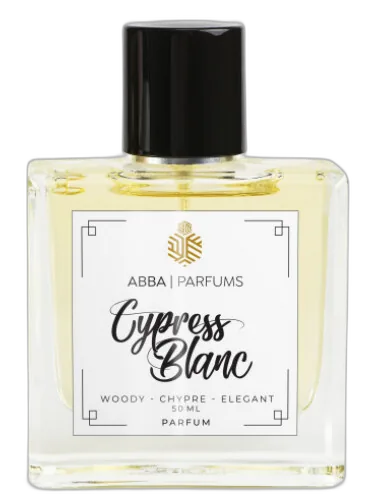
ABBA Parfums
Cypress Blanc Abba Parfums
Shared top notes: patchouli

Pierre Guillaume Paris
Suede Osmanthe 5.1 Pierre Guillaume Paris
Shared top notes: musk, osmanthus, suede
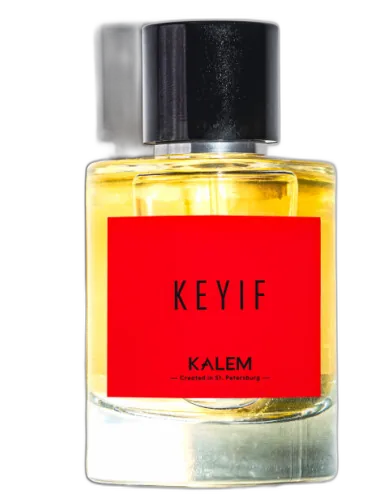
Kalem
Keyif Kalem
Shared top notes: musk, osmanthus

Compagnie Royale Des Indes Orientales
Cèdre Blanc Compagnie Royale Des Indes Orientales
Shared top notes: cedar, suede
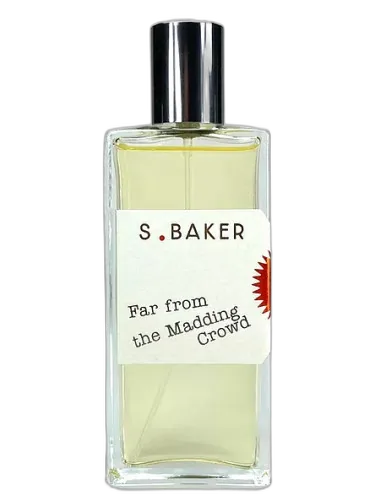
Sarah Baker Perfumes
Far From The Madding Crowd Sarah Baker Perfumes
Shared top notes: castoreum, cedar, musk