
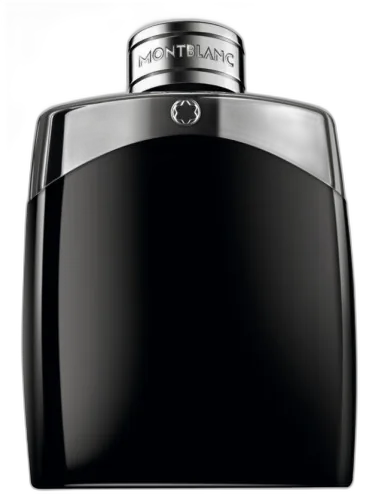
Legend Montblanc
At a glance
Is Legend Montblanc worth trying?
Legend by Montblanc is a Aromatic Fougere fragrance for men.
- Best match
- Casual wear in Spring
- Performance feel
- Moderate longevity with Moderate sillage
- Signature profile
- fruity, sweet, aromatic with Lavender, Pineapple, Bergamot
The first impression
Legend by Montblanc is a Aromatic Fougere fragrance for men. Legend was launched in 2011. Legend was created by Olivier Pescheux and Celine Perdriel. Top notes are Lavender, Pineapple, Bergamot and Lemon Verbena; middle notes are Red Apple, Dried Fruits, oak moss, Geranium, Coumarin and Rose; base notes are Tonka Bean and Sandalwood.
What shapes the scent
The perfumer behind it

Celine Perdriel
Celine Perdriel is a French perfumer known for her work with Atelier Materi, where she has created scents like Ambre Papier and Cuir Nilam. Her portfolio also includes the fresh Cèdre Figalia and the floral Rose Ardoise. She has additionally crafted fragrances for Faberlic and Good Water Perfume, demonstrating a range from woody to aquatic notes.
Notes pyramid
Top Notes
First impression · 15-30 min
 Lavender
 Pineapple
 Bergamot
 Lemon Verbena
Heart Notes
Core character · 2-4 hours
 Red Apple
 Dried Fruits
 oak moss
 Geranium
 Coumarin
 Rose
Rose
Base Notes
Lasting impression · 4+ hours
 Tonka Bean
 Sandalwood
The mood it creates
The Archetype Archetype: Portrait of Legend Montblanc
Essence
To wear Legend Montblanc is to embody a quiet assertion of mastery-a fragrance that balances refined citrus and woods with an undercurrent of sensuality. It is neither ostentatious nor meek; it is the scent of someone who moves through the world with deliberate confidence, aware of their presence but never desperate to prove it. This person is most closely aligned with the Sovereign archetype-the ruler who governs not through force, but through an innate sense of authority and competence.
Style & Aesthetic
Their life is structured, not rigidly, but with the precision of someone who understands that order is the foundation of freedom. They favor clean lines in their wardrobe-tailored blazers, well-fitted shirts, leather shoes that suggest both elegance and durability. Their home reflects the same ethos: uncluttered, with carefully chosen objects that serve a purpose or evoke meaning. They are drawn to materials that age well-wood, brass, fine wool-because they respect the passage of time and the weight of legacy.
In taste, they prefer the classics-literature that has endured, music that transcends trends, films that reward repeated viewing. They are not nostalgic in a sentimental sense, but they recognize that some things endure because they are true. Their philosophy is pragmatic yet principled: they believe in merit, in earned respect, in the slow cultivation of excellence. They do not chase novelty for its own sake, nor do they cling blindly to tradition.
They thrive in environments where their competence is recognized-perhaps in business, law, or any field where strategy and foresight are valued. They are not workaholics, but they take satisfaction in mastery. Leisure, for them, is not idle; it is purposeful-travel that broadens perspective, hobbies that demand skill (perhaps fine whiskey, chess, or sailing).
In love, they are selective. They do not seek adoration, but partnership-someone who matches their depth, who neither flatters nor challenges them needlessly, but stands as an equal. Their relationships are built on mutual respect, though they may struggle to express tenderness in overt ways.
Shadow
Yet, the Sovereign’s strength can calcify into rigidity. Their confidence may harden into stubbornness, their discernment into dismissiveness. They risk becoming so attuned to their own standards that they forget others may not share them-or need not. Their expectation of excellence can shade into impatience with those who falter.
There is also the danger of isolation. To stand apart as a natural leader is to risk loneliness, to be admired but not truly known. They may struggle with vulnerability, mistaking it for weakness. Their self-sufficiency, while admirable, can become a fortress-one that keeps others at a distance.
Conclusion
They command respect without demanding it. People listen when they speak, not because they raise their voice, but because they have proven, time and again, that their words carry weight. They are decisive, not rash-their judgments are measured, their actions deliberate. In relationships, they are loyal but not possessive; they expect the same level of integrity they give.
Their leadership is not domineering but inspiring. They create stability, not through control, but by setting an example. They are the person others turn to in crisis, not because they have all the answers, but because they remain steady when others waver. They value competence over charisma, substance over spectacle.
If you like this, try these
Fragrances with a comparable profile - shared accords, notes, and character.
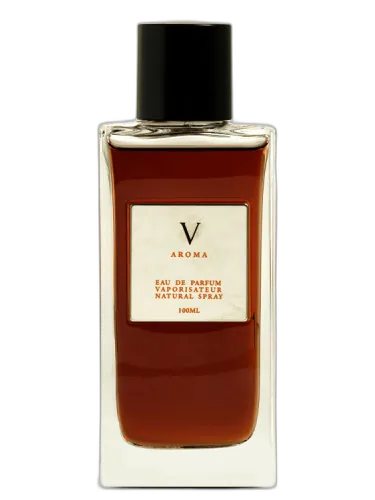
Aurora Scents
Aroma V Aurora Scents
Shared top notes: bergamot, lavender, lemon verbena
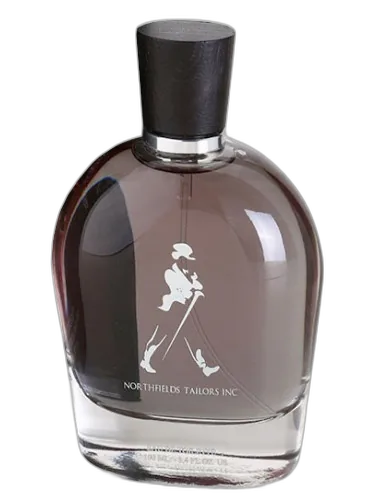
Northfields Tailors
Northfields Tailors Pour Homme Northfields Tailors
Shared top notes: bergamot, lavender, pineapple
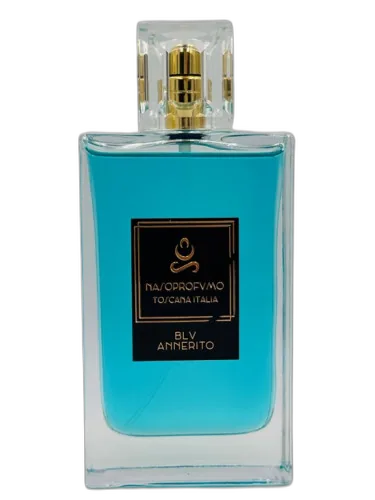
NasoProfumo
Blu Annerito Nasoprofumo
Shared top notes: bergamot, lavender
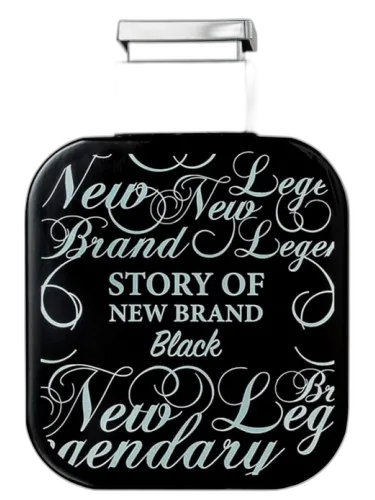
New Brand Parfums
Story Of Black New Brand Parfums
Shared top notes: lavender, pineapple
Michael Michalsky
Michalsky Berlin Michael Michalsky
Shared top notes: bergamot, lavender