
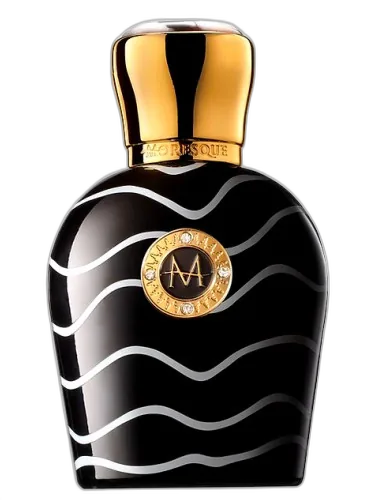
Aristoqrati Moresque
At a glance
Is Aristoqrati Moresque worth trying?
Aristoqrati by Moresque is a fragrance for women and men.
- Best match
- Evening wear in Fall
- Performance feel
- Very Good longevity with Strong sillage
- Signature profile
- fresh spicy, aromatic, floral with Bourbon Geranium, Nutmeg, Haitian Vetiver
The first impression
Aristoqrati by Moresque is a fragrance for women and men. Aristoqrati was launched in 2015. The nose behind this fragrance is Andrea (Thero) Casotti. Top notes are Bourbon Geranium and Nutmeg; middle notes are Haitian Vetiver and Peony; base notes are Vanilla, Patchouli and Amber.
What shapes the scent
The perfumer behind it

Andrea (Thero) Casotti
Andrea Casotti, also known as Thero, is a perfumer whose work spans multiple niche brands. He has created fragrances for Anima Mundi including Ankh Sun Amon, Dusara, Isvara, Pompeii, and Tikal, as well as for Jovoy Paris and Moresque. His compositions often explore historical and cultural themes through complex, evocative scent profiles.
Notes pyramid
Top Notes
First impression · 15-30 min
 Bourbon Geranium
 Nutmeg
Heart Notes
Core character · 2-4 hours
Haitian Vetiver
 Peony
Peony
Base Notes
Lasting impression · 4+ hours
 Vanilla
 Patchouli
 Amber
Amber
The mood it creates
The Aristoqrati Moresque Weare Archetype: Portrait of Aristoqrati Moresque
Essence
The person who gravitates toward Aristoqrati Moresque is most closely aligned with the Sovereign archetype-a ruler of their own domain, one who commands presence without overt dominance. They are not merely drawn to luxury; they embody an intrinsic sense of nobility, not of bloodline, but of spirit. The Sovereign is a curator of excellence, a guardian of tradition, yet with an eye toward subtle reinvention. They do not seek power for its own sake but wield influence through refinement, discernment, and an unshakable belief in their own taste.
Shadow
Yet, the Sovereign’s greatest flaw is their unrelenting self-assurance, which can curdle into arrogance. They may dismiss others’ tastes as vulgar, their perspectives as uninformed. Their discernment, when unchecked, becomes elitism-a belief that only they (and a select few) truly understand what is worthy.
They may also struggle with emotional detachment, mistaking restraint for depth. Their relationships, while enduring, can sometimes feel more like alliances than true intimacies. Beneath their polished exterior, there may lurk a fear of vulnerability-a terror that to reveal too much would shatter the carefully constructed persona they have spent years perfecting.
Conclusion
They are a paradox-both generous and guarded, both confident and secretly afraid of being truly known. Their life is a performance of sorts, but one they have rehearsed so well that it has become second nature. The question that haunts them is whether they will ever step off the stage-or if they even want to.
For now, they remain: regal, untouchable, and, in their quieter moments, perhaps a little lonely.
If you like this, try these
Fragrances with a comparable profile - shared accords, notes, and character.
MAISON OLFACTIF
You Gonna Miss Me Maison Olfactif
Shared top notes: nutmeg
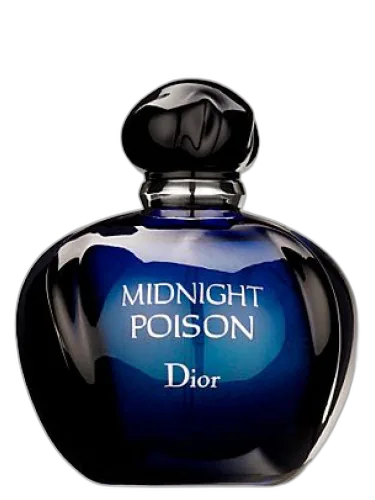
Dior
Midnight Poison Dior
Shared base notes: amber, patchouli, vanilla
Parfums Regine
Zoa Night Perfume Parfums Regine
Shared heart notes: peony

Victoria's Secret
Bombshell Magic Victoria's Secret
Shared heart notes: peony
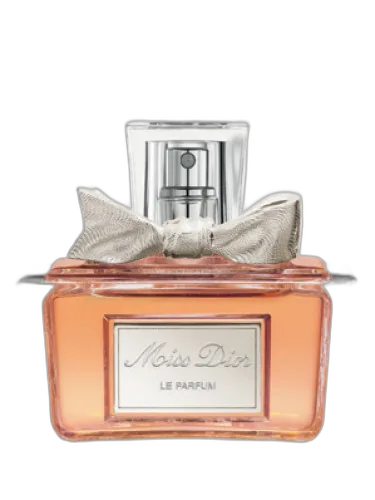
Dior
Miss Dior Le Parfum Dior
Shared base notes: amber, patchouli, vanilla