
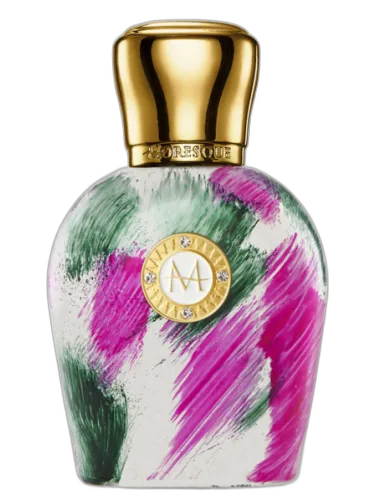
Divina Marchesa Moresque
At a glance
Is Divina Marchesa Moresque worth trying?
Divina Marchesa by Moresque is a fragrance for women and men.
- Best match
- Evening wear in Fall
- Performance feel
- Very Good longevity with Strong sillage
- Signature profile
- green, aromatic, warm spicy with Peppermint, Cinnamon Leaf, Lavender
The first impression
Divina Marchesa by Moresque is a fragrance for women and men. Divina Marchesa was launched in 2021. The nose behind this fragrance is Andrea (Thero) Casotti. Top notes are Peppermint, Cinnamon Leaf, Lavender, Cardamom and Pink Pepper; middle notes are Jasmine, Patchouli, Iris, Vetiver and White Rose; base notes are White Musk, Amber, Sandalwood and Incense.
What shapes the scent
The perfumer behind it

Andrea (Thero) Casotti
Andrea Casotti, also known as Thero, is a perfumer whose work spans multiple niche brands. He has created fragrances for Anima Mundi including Ankh Sun Amon, Dusara, Isvara, Pompeii, and Tikal, as well as for Jovoy Paris and Moresque. His compositions often explore historical and cultural themes through complex, evocative scent profiles.
Notes pyramid
Top Notes
First impression · 15-30 min
 Peppermint
 Cinnamon Leaf
 Lavender
 Cardamom
 Pink Pepper
Heart Notes
Core character · 2-4 hours
 Jasmine
 Patchouli
 Iris
Iris
 Vetiver
White Rose
Vetiver
White Rose
Base Notes
Lasting impression · 4+ hours
White Musk
 Amber
Amber
 Sandalwood
 Incense
The mood it creates
The Lover Archetype: Portrait of Divina Marchesa Moresque
Essence
The person who chooses Divina Marchesa Moresque is most closely aligned with the Goddess archetype, a figure of allure, mystery, and self-possession. This fragrance-opulent, floral, and suffused with an almost sacred sensuality-reflects a personality that thrives on beauty, ritual, and an unshakable sense of inner divinity. Like the goddesses of myth, they command attention effortlessly, not through force, but through an aura of magnetic presence.
Yet, the Goddess is not merely an object of admiration; she is a creator of her own world. She weaves enchantment into the mundane, turning daily life into a tapestry of elegance and meaning. Her power lies in her ability to transform reality through perception-to make the ordinary feel sacred.
Relationships
They do not give themselves lightly. Relationships are rituals, each stage marked by a careful unfolding of layers. They attract admirers effortlessly, but few ever reach the inner sanctum. Their love is intense, almost devotional-but it demands reciprocity. To be loved by them is to be seen in mythic terms, as part of a grander narrative.
Yet, this can become their shadow: the tendency to mythologize others, to expect them to play roles in their personal epic. Disappointment is inevitable when mortals fail to meet divine standards. Their challenge is to reconcile their idealism with human frailty-both others' and their own.
Shadow
The Goddess’s greatest strength is also her weakness: her insistence on transcendence. When reality falls short of her vision, she may retreat into disillusionment or wield her charm as a weapon. She risks becoming a prisoner of her own image, mistaking the mask for the soul. There is a danger, too, in the subtle arrogance of those who believe they are above the messiness of ordinary life.
Yet, when balanced, she is neither aloof nor vain-she is a curator of the sublime, a reminder that life, at its best, is a work of art. She does not seek to escape the world but to elevate it.
Conclusion
Their tastes are deliberate, almost ceremonial. They prefer the richness of dark velvets, the weight of antique gold, the whisper of silk against skin. Their home is a sanctuary-filled with art that tells stories, candles that flicker like votive offerings, and books that serve as both escape and scripture. They are drawn to the decadent but never the excessive; indulgence must have purpose, pleasure must be earned.
In philosophy, they reject the utilitarian. Life is not merely to be endured but exalted. They believe in the transformative power of beauty-not as vanity, but as a form of resistance against the dullness of the world. Their values are rooted in autonomy; they refuse to be molded by external expectations, yet they understand the strategic power of presentation.
If you like this, try these
Fragrances with a comparable profile - shared accords, notes, and character.
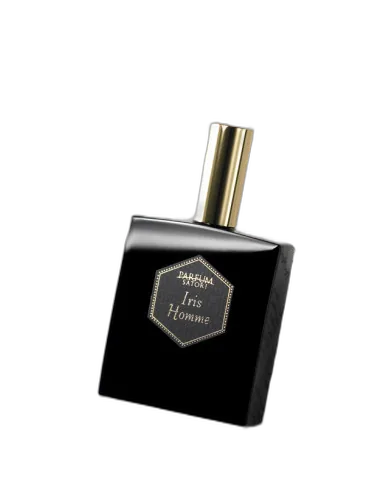
Parfum Satori
Iris Homme Parfum Satori
Shared top notes: cardamom

Brioni
Brioni Eau De Parfum Suave Brioni
Shared top notes: cardamom, pink pepper
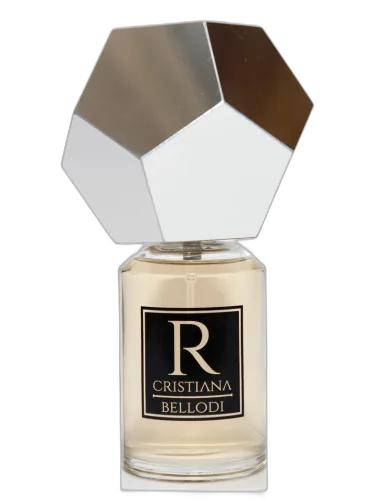
Cristiana Bellodi
R Cristiana Bellodi
Shared heart notes: jasmine, patchouli, vetiver

Mugler
Aura Mugler Eau De Parfum Sensuelle Mugler
Shared top notes: cinnamon leaf

Hoermanseder
Atelier X-berg Hoermanseder
Shared heart notes: iris, jasmine