
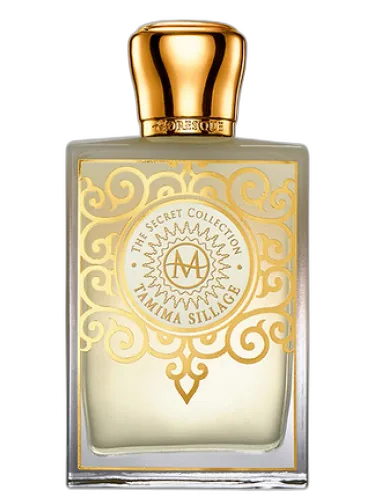
Tamima Sillage Moresque
At a glance
Is Tamima Sillage Moresque worth trying?
Tamima Sillage by Moresque is a Oriental Floral fragrance for women.
- Best match
- Evening wear in Fall
- Performance feel
- Excellent longevity with Strong sillage
- Signature profile
- musky, amber, fresh spicy with White Pepper, Artemisia, Orange
The first impression
Tamima Sillage by Moresque is a Oriental Floral fragrance for women. Tamima Sillage was launched in 2021. The nose behind this fragrance is Andrea (Thero) Casotti. Top notes are White Pepper, Artemisia and Orange; middle notes are Caraway, Amber, Cardamom, Neroli, Coriander and Tuscan Iris; base notes are Musk, Agarwood (Oud), Vanilla, Labdanum, Myrrh, Cashmere Wood and Cypriol Oil or Nagarmotha.
What shapes the scent
The perfumer behind it

Andrea (Thero) Casotti
Andrea Casotti, also known as Thero, is a perfumer whose work spans multiple niche brands. He has created fragrances for Anima Mundi including Ankh Sun Amon, Dusara, Isvara, Pompeii, and Tikal, as well as for Jovoy Paris and Moresque. His compositions often explore historical and cultural themes through complex, evocative scent profiles.
Notes pyramid
Top Notes
First impression · 15-30 min
 White Pepper
 Artemisia
 Orange
Heart Notes
Core character · 2-4 hours
 Caraway
 Amber
Amber
 Cardamom
 Neroli
 Coriander
Tuscan Iris
Coriander
Tuscan Iris
Base Notes
Lasting impression · 4+ hours
 Musk
Musk
 Agarwood (Oud)
 Vanilla
 Labdanum
 Myrrh
Cashmere Wood
Myrrh
Cashmere Wood
 Cypriol Oil or Nagarmotha
The mood it creates
The Tamima Sillage Moresque De Archetype: Portrait of Tamima Sillage Moresque
Essence
The one who wears Tamima Sillage Moresque is not merely a lover of fragrance-they are a seeker of the ineffable. This scent, with its rich, resinous depth and ethereal sweetness, speaks to the soul of The Mystic, an archetype rooted in Jung’s exploration of the numinous. The Mystic is drawn to the liminal, the spaces between waking and dreaming, the known and the unknown. They are not content with surface truths; they crave the hidden, the symbolic, the transcendent.
This person is not a passive dreamer but an active interpreter of life’s mysteries. They move through the world as if it were a grand allegory, each moment heavy with meaning. The Mystic does not merely exist-they decipher.
Relationships
They love deeply but rarely openly. Their relationships are layered, like the fragrance they wear-first the bright spark of bergamot, then the slow burn of oud, finally the ghostly trail of vanilla. They are magnetic, drawing others in with their quiet intensity, but they guard their inner world fiercely.
Friendships with them are rare but profound. They listen with the patience of a confessor, offering insights that feel divined rather than reasoned. Yet, they struggle with vulnerability. Their shadow is a fear of being truly known-what if, beneath the mystique, they are ordinary?
Romantically, they are drawn to those who mirror their complexity. A partner who is too pragmatic bores them; one who is too chaotic unnerves them. They crave a love that feels fated, but their idealism can make them restless, always searching for a deeper connection that may not exist.
Shadow
The Mystic’s greatest strength-their depth-can also be their undoing. Their obsession with meaning can render them paralyzed, lost in contemplation while life passes by. They may disdain the mundane, dismissing practical concerns as beneath them, only to later resent their own impracticality.
Their introspection can curdle into solipsism. They may mistake melancholy for wisdom, believing that only those who dwell in shadows truly see. At their worst, they become the tragic figure who admires their own suffering, mistaking isolation for enlightenment.
Conclusion
Their tastes are opulent yet refined, favoring textures that whisper rather than shout-velvet that catches the light just so, silk that slides like a secret against the skin. They surround themselves with objects that carry weight beyond function: an antique mirror with a tarnished frame, a dried rose preserved between pages of a book they never finished. Their home is a sanctuary of dim lighting and deep shadows, where incense curls into the air like a question mark.
Philosophically, they are drawn to paradox. They might quote Heraclitus-"No man steps in the same river twice"-while sipping tea that tastes of distant lands. They believe in the fluidity of identity, the impermanence of all things, yet they are paradoxically possessive of their solitude. Their values are not rigid but fluid, shaped by intuition rather than dogma.
If you like this, try these
Fragrances with a comparable profile - shared accords, notes, and character.
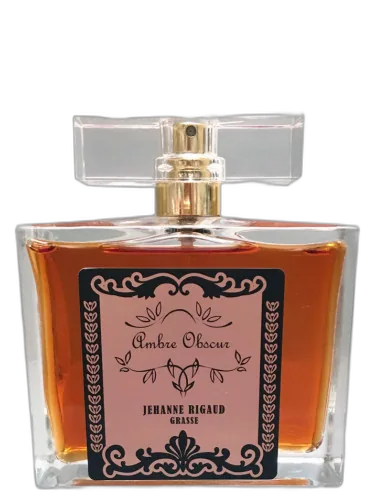
Jehanne Rigaud Parfums
Ambre Obscur Jehanne Rigaud Parfums
Shared top notes: orange
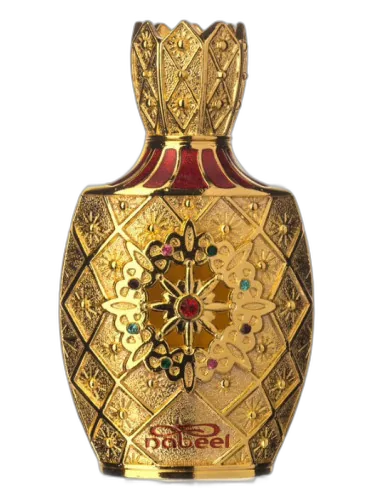
Nabeel
Ashjan Nabeel
Shared top notes: orange
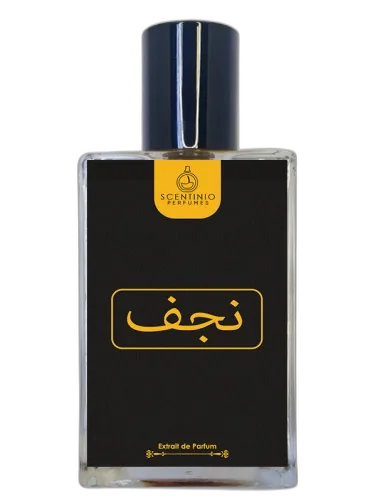
Scentinio Perfumes
Najaf Scentinio Perfumes
Shared top notes: orange

Neandertal
Neandertal Us Neandertal
Shared top notes: orange
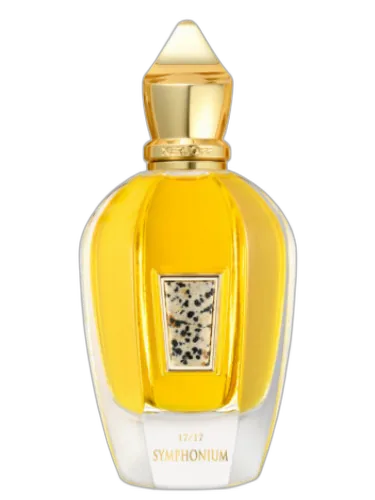
Xerjoff
Symphonium Parfum Xerjoff
Shared top notes: orange