


Angel Eau De Toilette Mugler
At a glance
Is Angel Eau De Toilette Mugler worth trying?
Angel Eau de Toilette by Mugler is a Oriental Vanilla fragrance for women.
- Best match
- Evening wear in Winter
- Performance feel
- Good longevity with Moderate sillage
- Signature profile
- sweet, woody, patchouli with Pink Pepper, Bergamot, Red Berries
The first impression
Angel Eau de Toilette by Mugler is a Oriental Vanilla fragrance for women. Angel Eau de Toilette was launched in 2011. The nose behind this fragrance is Amandine Clerc-Marie. Top notes are Pink Pepper and Bergamot; middle notes are Red Berries and Praline; base notes are Patchouli, Vanille, Virginia Cedar and Musk.
What shapes the scent
The perfumer behind it

Amandine Clerc-Marie
Amandine Clerc-Marie is a French perfumer who trained at Givaudan and now works as a senior perfumer at Symrise. Her style often balances fresh, transparent accords with soft floral or citrus notes, creating versatile and wearable compositions. She is known for developing Angel Schlesser Pour Elle and its flankers, as well as the fruity-floral Scent Of Kiss My Heart for Armand Basi.
Notes pyramid
Top Notes
First impression · 15-30 min
 Pink Pepper
 Bergamot
Heart Notes
Core character · 2-4 hours
 Red Berries
 Praline
Base Notes
Lasting impression · 4+ hours
 Patchouli
 Vanille
Virginia Cedar
Vanille
Virginia Cedar
 Musk
Musk
The mood it creates
The Alchemist Archetype: Portrait of Angel Eau De Toilette Mugler
Essence
Archetype: The Alchemist
This person is defined by the Alchemist archetype-a seeker of transformation, a weaver of magic in the mundane. Like the fragrance itself, which blends sweetness with depth, they are drawn to contrasts, to the interplay of light and shadow. Angel Eau De Toilette is not merely a scent to them; it is an elixir, a potion that shifts perception. The Alchemist does not accept the world as it is-they seek to transmute it, to reveal hidden beauty in the ordinary.
Their personality is a paradox: playful yet profound, indulgent yet discerning. They are drawn to the richness of life-the decadence of dark chocolate, the warmth of amber-lit rooms, the thrill of discovering something unexpected. They do not merely consume experiences; they savor them, turning moments into rituals. Their style reflects this-bold yet refined, mixing vintage opulence with modern edge. They might wear velvet in daylight, pair leather with lace, or choose jewelry that tells a story.
Philosophically, they believe in the power of reinvention. They see life as an experiment, a series of alchemical reactions where pain can become wisdom, where ordinary days can be spun into gold. They are not afraid of intensity; they court it, knowing that depth requires risk.
Shadow
Yet, like all alchemists, they walk a fine line between creation and destruction. Their hunger for intensity can tip into excess-too much wine, too many late nights, an unwillingness to settle into stability. They may struggle with restlessness, always chasing the next sublime experience, fearing that stillness means stagnation.
Their love of transformation can also make them impatient with the mundane. Bills, routines, the slow work of building-these can feel like chains. They may resent obligations, seeing them as threats to their freedom. At their worst, they become elusive, disappearing into their own world when reality feels too dull.
In relationships, their need for depth can become a demand for constant reinvention, leaving partners exhausted. They may mistake turbulence for passion, drama for meaning. Their shadow fears being ordinary, and so they sometimes sabotage their own peace.
Conclusion
Their greatest gift is their ability to enchant. They draw people in with their magnetic presence, their way of making even small talk feel like a shared secret. They are generous with their passions-introducing friends to obscure films, rare perfumes, or hidden cafés. They believe in the sacredness of pleasure, not as escapism, but as a form of resistance against a world that often demands sterility.
In relationships, they are loyal but never predictable. They crave connections that are transformative, where both people grow and evolve. They are the kind of lover who leaves handwritten notes in unexpected places, who plans midnight picnics under city lights. Their friendships are deep, built on shared curiosity and mutual reverence for the mysteries of existence.
If you like this, try these
Fragrances with a comparable profile - shared accords, notes, and character.
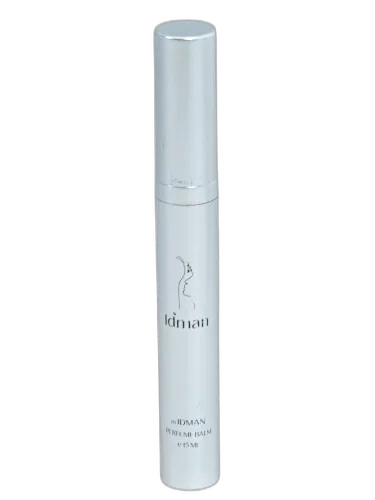
idman
Perfume Balm Idman
Shared top notes: bergamot, pink pepper
CALIFAH
Tonka Amber Califah
Shared top notes: bergamot, pink pepper
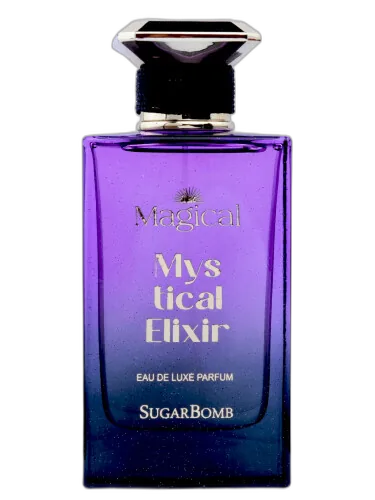
SugarBomb
Mystical Elixir Sugarbomb
Shared top notes: bergamot, pink pepper
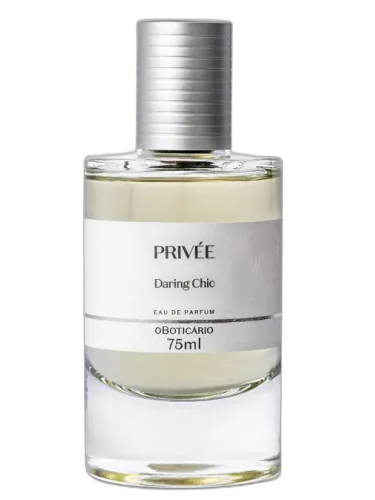
O Boticário
Daring Chic O Boticário
Shared top notes: bergamot, pink pepper
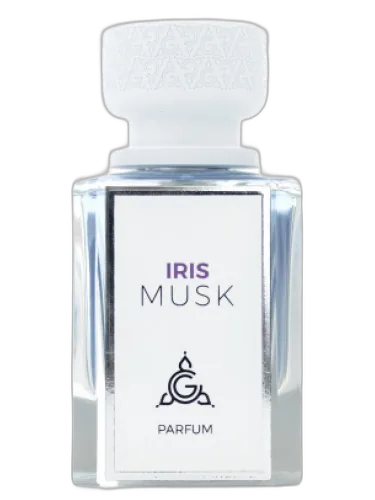
Ghalati
Iris Musk Ghalati
Shared top notes: bergamot, pink pepper