
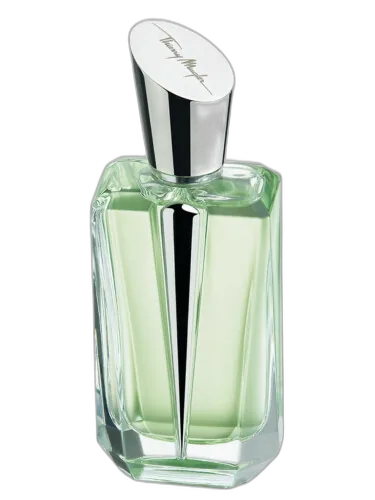

Mirror Mirror Collection - Miroir Des Vanites Mugler
Fragrance Story
Mirror Mirror Collection - Miroir Des Vanites by Mugler is a Woody Aromatic fragrance for men. Mirror Mirror Collection - Miroir Des Vanites was launched in 2008. The nose behind this fragrance is Alexis Dadier.
Composition Profile
About the Perfumer

Alexis Dadier
Alexis Dadier is a French perfumer known for his work with Symrise and major luxury houses like Bottega Veneta, Boucheron, and Chloé. His style balances naturalistic clarity with subtle richness, often highlighting woody, floral, or gourmand notes in refined compositions. He created several fragrances for Bottega Veneta’s Parco Palladiano collection, including the cypress-focused Cipresso and the chestnut-centered Castagno, as well as Chloé’s Chêne and Papyrus.
Fragrance Notes
All Notes
Complete scent profile
 Lemon
Lemon
 Vetiver
 Anise
Anise
 Absinthe
 Licorice
 Lily-of-the-Valley
Character Profile
The Miroir Des Vanit Archetype: Portrait of Mirror Mirror Collection - Miroir Des Vanites Mugler
Essence
The person who adores Miroir Des Vanités from Mugler’s Mirror Mirror Collection is most closely aligned with the Narcissus archetype-not in the shallow, pejorative sense, but as one who is deeply attuned to beauty, reflection, and self-perception. This is someone who understands allure as both armor and art, who gazes into the mirror not merely to admire but to commune with the self. The fragrance itself-opulent, intoxicating, with its blend of vanilla, tonka bean, and rum-speaks to indulgence, seduction, and a certain theatricality.
Narcissus is not merely vain; they are a seeker. Their fixation on beauty is a search for meaning, a way to crystallize the ephemeral into something tangible. They do not merely wear a scent-they embody it, allowing it to amplify their presence.
Style & Aesthetic
Their world is one of deliberate composition. Every detail-from the way they dress to the objects they surround themselves with-is curated, not out of insecurity, but as an act of self-creation. Their style leans toward the dramatic: structured silhouettes, rich textures, a preference for the decadent over the minimal. They might favor deep reds, velvety blacks, or metallic accents-colors that demand attention without begging for it.
Their philosophy is one of self-as-art. They do not believe in accidents of personality; they sculpt themselves with intention. This is not deception, but a refusal to be passive in their own existence. They understand that identity is fluid, that one can be many things at once-mysterious and revealing, distant and intimate.
Relationships
They do not love easily, for love requires vulnerability, and vulnerability risks distortion in the mirror. Their relationships are often intense, charged with a push-and-pull between admiration and self-preservation. They attract those who are drawn to their magnetism, but they are wary of those who seek only to possess them.
In friendship, they are loyal but exacting. They expect others to match their depth, their appreciation for the sublime. Superficiality bores them; they crave conversations that spiral into philosophy, art, and the unspoken tensions of human desire.
Romantically, they are both the seducer and the elusive. They know the power of withholding, of leaving something unseen. Their lovers often feel like they are chasing a reflection-just when they think they grasp the truth of this person, it shifts, reconfigures. This is not cruelty, but a defense mechanism. To be fully known is to risk being unmasked, and the Narcissus fears nothing more than the revelation that beneath the beauty, there might be emptiness.
Shadow
For all their self-assurance, the Narcissus is haunted by a quiet terror: that their beauty, their charm, their carefully constructed self, is all there is. The shadow of this archetype is the fear of being hollow. They may retreat further into aestheticism when challenged, using their elegance as a shield against introspection.
At their worst, they can become self-obsessed to the point of isolation, mistaking admiration for connection. They may grow impatient with those who do not mirror their intensity, dismissing them as dull or unworthy. There is a coldness that can emerge-a detachment that protects them but leaves others feeling like mere spectators in their theater.
Yet, when balanced, the Narcissus is not a prisoner of their own image. They learn that true depth comes not from being admired, but from daring to be flawed. The mirror, then, becomes not just a tool of self-adoration, but a portal to self-acceptance.
Conclusion
Miroir Des Vanités is not just a fragrance to them-it is an extension of their essence. The sweetness of vanilla is their allure, the warmth of rum their hidden fire, the smokiness their mystery. When they wear it, they are not merely perfumed; they are mythologized.
They are the kind of person who leaves an impression long after they’ve left the room-not because they demand it, but because they cannot help but be unforgettable. And in the end, that is what they truly seek: not just to be seen, but to be remembered.
Similar Fragrances
Fragrances with a comparable profile - shared accords, notes, and character.

Toni Cabal
320m - Sandal & Muguet Toni Cabal
Shared accords: anis, aromatic, citrus

Mark Buxton
Wood & Absinth Mark Buxton
Shared accords: anis, aromatic, citrus
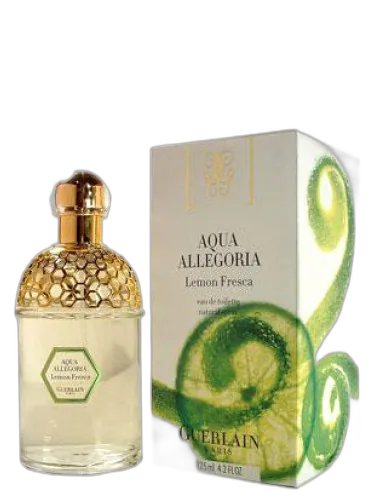
Guerlain
Aqua Allegoria Lemon Fresca Guerlain
Shared accords: anis, aromatic, citrus

Aquaflor Firenze
Empereur Aquaflor Firenze
Shared accords: aromatic, citrus, earthy
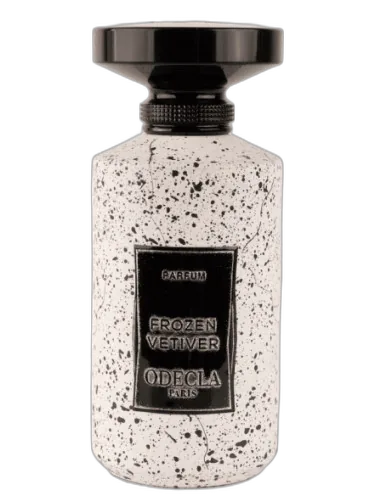
Odecla
Frozen Vetiver Odecla
Shared accords: aromatic, citrus, earthy