
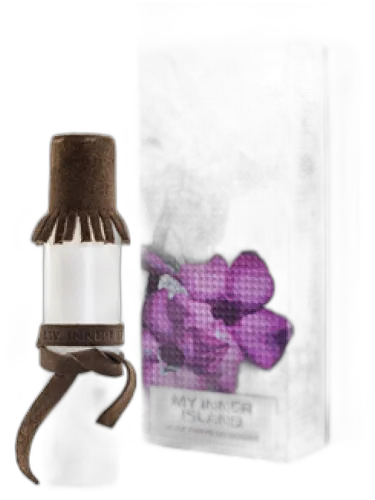

Rose Amere Du Desert My Inner Island Parfums
At a glance
Is Rose Amere Du Desert My Inner Island Parfums worth trying?
Rose Amere du Desert by My Inner Island Parfums is a Oriental Floral fragrance for women and men.
- Best match
- Evening wear in Fall
- Performance feel
- Very Good longevity with Strong sillage
- Signature profile
- floral, patchouli, woody with Desert Rose, Patchouli, Black Orchid
The first impression
Rose Amere du Desert by My Inner Island Parfums is a Oriental Floral fragrance for women and men.
What shapes the scent
The perfumer behind it

Unknown Perfumer
Notes pyramid
All Notes
Complete scent profile
 Desert Rose
 Patchouli
 Black Orchid
 Fern
Fern
 Cloves
Exotic Woods
Cloves
Exotic Woods
 cannabis
The mood it creates
The Lover Archetype: Portrait of Rose Amere Du Desert My Inner Island Parfums
Essence
To wear Rose Amère du Desert is to embrace contradiction-the sweetness of rose entwined with the arid bitterness of desert dust. This person is a sensualist and a seeker, drawn to beauty that carries a sting, to love that demands sacrifice. Their soul is ruled by The Lover archetype, the Jungian force of passion, connection, and aesthetic devotion. They do not merely experience life; they consume it, savoring textures, scents, and emotions with an intensity that borders on the sacred.
Yet this archetype is not without its thorns. The Lover’s shadow emerges when desire becomes obsession, when the pursuit of beauty turns into a refusal to face ugliness-whether in the world or in themselves.
Style & Aesthetic
They move through the world as if it were a ritual. Mornings begin with slow, deliberate motions-grinding coffee by hand, applying perfume to pulse points with reverence. Work is either a creative pursuit or a means to fund their aesthetic existence. They may be an artist, a curator, a perfumer, or simply someone who treats ordinary life as an art form.
But the shadow of the Lover is indulgence. They may lose themselves in hedonism, using beauty as an escape from responsibility. Or worse, they may grow bitter when the world fails to meet their ideals, collapsing into cynicism disguised as sophistication.
Philosophy & Values
For them, beauty is not superficial-it is the closest thing to truth. They believe in the transformative power of art, the necessity of pleasure, the holiness of a perfectly brewed cup of tea. Their morality is aesthetic: cruelty is ugly, therefore wrong; kindness is beautiful, therefore right. They are drawn to mysticism but distrust dogma, preferring the ambiguity of poetry to the rigidity of doctrine.
Yet this devotion to beauty can blind them. They may dismiss practical concerns as vulgar, avoid conflict to preserve harmony, or romanticize suffering as "necessary for art." Their shadow whispers that if something is not beautiful, it is not worth engaging with-a dangerous illusion.
Relationships
They love deeply but selectively. Their friendships are few, intense, and laced with unspoken expectations. In romance, they are both seductive and elusive-drawing others in with their magnetism, then retreating when closeness threatens their autonomy. They crave connection but fear engulfment, leading to a paradox: they are most alive in the tension of love, the space between possession and freedom.
Their flaw? They confuse intensity for depth. A fleeting, poetic affair may captivate them more than a steady, enduring love-because it remains forever perfect, unchanging, like a rose preserved in resin.
Conclusion
Their tastes are deliberate, almost ceremonial. They do not merely drink wine; they study its tannins, its terroir, the way light filters through the glass. Their home is a carefully curated sanctuary-antique velvet, dried botanicals, a single painting that haunts the room like a half-remembered dream. They prefer the melancholy elegance of Chopin over the bombast of Beethoven, the slow burn of a Bergman film over the spectacle of Hollywood.
Fashion is an extension of their inner world. They favor fabrics that whisper-raw silk, aged linen, cashmere worn soft with time. Their style is neither trendy nor deliberately vintage, but timeless, as if they exist slightly outside the present moment.
If you like this, try these
Fragrances with a comparable profile - shared accords, notes, and character.
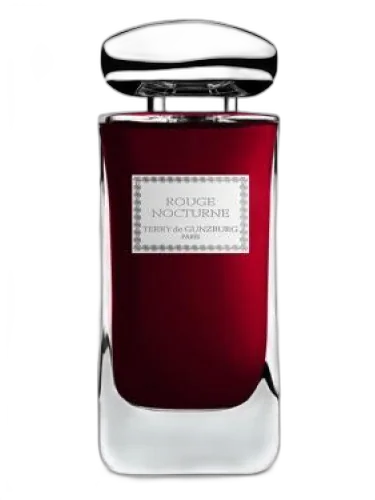
Terry de Gunzburg
Rouge Nocturne Terry De Gunzburg
Shared top notes: patchouli
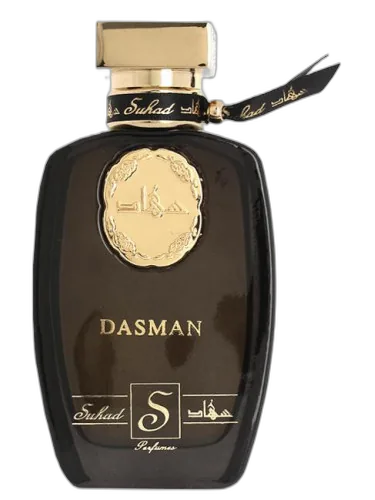
Suhad Perfumes
Dasman Suhad Perfumes
Shared accords: earthy, floral, patchouli
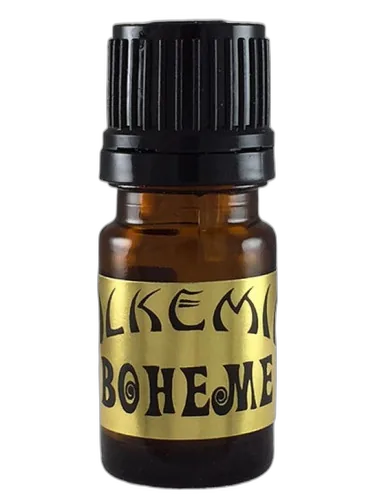
Alkemia Perfumes
Bohème Alkemia Perfumes
Shared top notes: patchouli
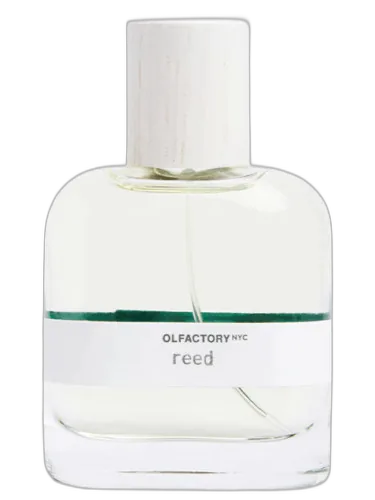
Olfactory NYC
Reed Olfactory Nyc
Shared top notes: patchouli
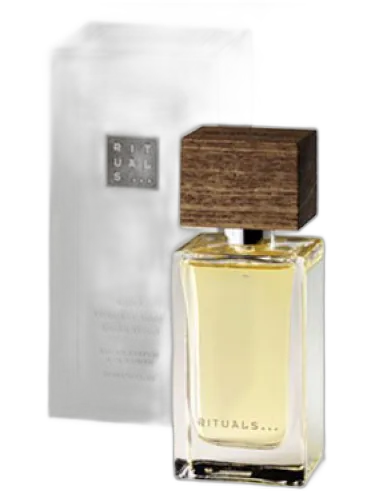
Rituals
No. 07 White Patchouli & Cedarwood Rituals
Shared top notes: patchouli