
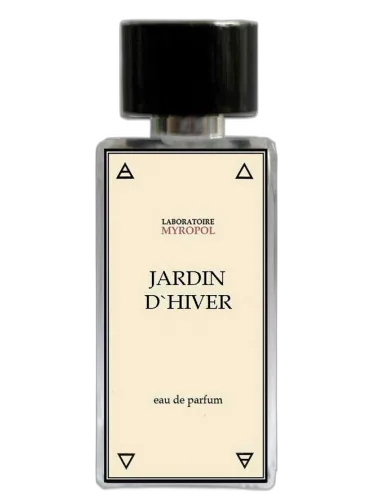

Jardin D'hiver Myropol
Fragrance Story
Jardin d'Hiver by Myropol is a fragrance for women and men. Jardin d'Hiver was launched in 2017. The nose behind this fragrance is Andrey Oleynikov. Top notes are Reed, Tea Tree Oil and Aldehydes; middle notes are Chrysanthemum, Rhododendron, Lotus, Mango, Rose and Orange Blossom; base notes are Musk, Sandalwood, Ambrette (Musk Mallow) and Earthy Notes.
Composition Profile
About the Perfumer

Andrey Oleynikov
Andrey Oleynikov is a Russian perfumer known for his work with niche houses like Ladanika and Myropol. His style blends naturalistic floral and woody accords with subtle resinous or fougère undertones, often evoking poetic landscapes. Notable creations include the powdery floral Flower Waltz for Ladanika and the contemplative Dug-pa for Myropol, showcasing his ability to balance transparency with depth.
Fragrance Notes
Top Notes
First impression · 15-30 min
 Reed
Reed
 Tea Tree Oil
 Aldehydes
Heart Notes
Core character · 2-4 hours
 Chrysanthemum
 Rhododendron
 Lotus
Lotus
 Mango
Mango
 Rose
Rose
 Orange Blossom
Base Notes
Lasting impression · 4+ hours
 Musk
Musk
 Sandalwood
.jpg) Ambrette (Musk Mallow)
Ambrette (Musk Mallow)
 Earthy Notes
Jardin D'hiver Myropol by Myropol offers a distinctive olfactory experience that stands out from other fragrances in its category.
Crafted with the finest ingredients and a blend of traditional and modern perfumery techniques, this fragrance represents the pinnacle of the perfumer's art.
Jardin D'hiver Myropol embodies the distinctive style of Myropol while adding a unique chapter to their fragrance portfolio.
Character Profile
The Sage Archetype: Portrait of Jardin D'hiver Myropol
Essence
To love Jardin D’Hiver is to seek refuge in the quiet elegance of a world suspended between memory and possibility. This fragrance-cool citrus, powdery iris, and the faintest whisper of green-does not announce itself with bravado. It lingers, thoughtful and deliberate, like the turning of pages in an old book. The person who wears it is not one for clamor or spectacle; they are drawn to the subtle, the refined, the spaces where meaning unfolds slowly.
Shadow
Yet wisdom, when pursued too fervently, can become a fortress. The Sage’s greatest strength-their ability to observe, to analyze-can also be their undoing. They may retreat too far into the mind, mistaking detachment for enlightenment. Relationships can suffer; they might withhold warmth, believing that love, like knowledge, must be earned through perfect understanding.
Their flaw is not malice, but a kind of intellectual pride-the belief that if they can only think deeply enough, they will transcend human frailty. But life is not a text to be deciphered; sometimes, it must simply be lived. They may grow impatient with those who do not share their depth, dismissing emotion as irrationality rather than another form of wisdom.
Conclusion
At their core, this individual is defined by the Sage archetype-the seeker of wisdom, the quiet observer who finds truth in contemplation rather than conquest. They are drawn to knowledge not for power, but for the sheer pleasure of understanding. Their mind is a well-tended garden, where ideas grow in careful arrangement, each thought pruned and nurtured.
Their tastes reflect this: they prefer the muted tones of linen and wool, the understated luxury of craftsmanship over ostentation. Their home is a sanctuary of books, art, and carefully chosen objects-each with a story, each placed with intention. They might collect rare editions, pressed botanicals, or antique maps, not as trophies, but as fragments of a larger, unseen order.
Philosophically, they are drawn to stoicism and mysticism in equal measure. They believe in the discipline of the mind, yet they also sense the intangible-the way certain moments seem to hum with hidden significance. They do not rush to conclusions; they savor the act of questioning.
Similar Fragrances
Fragrances with a comparable profile - shared accords, notes, and character.
Myropol
Jardin D'hiver Myropol
Shared accords: aldehydic, aromatic, camphor

Massimo Dutti
White Tulip & Barley Massimo Dutti
Shared accords: aromatic, floral, herbal
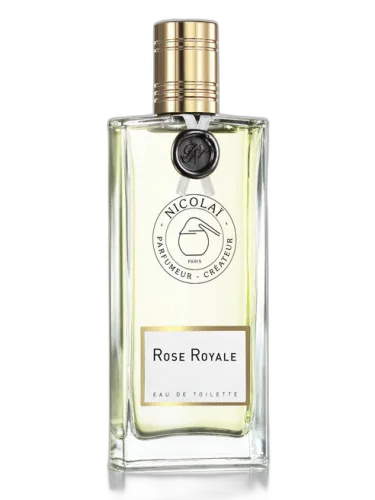
Nicolai Parfumeur Createur
Rose Royale Nicolai Parfumeur Createur
Shared accords: aromatic, floral, fruity
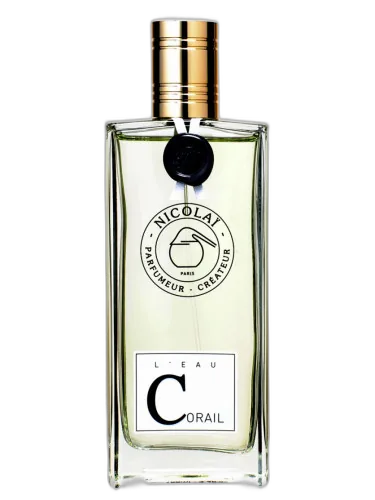
Nicolai Parfumeur Createur
L’eau Corail Nicolai Parfumeur Createur
Shared accords: aromatic, floral, fruity
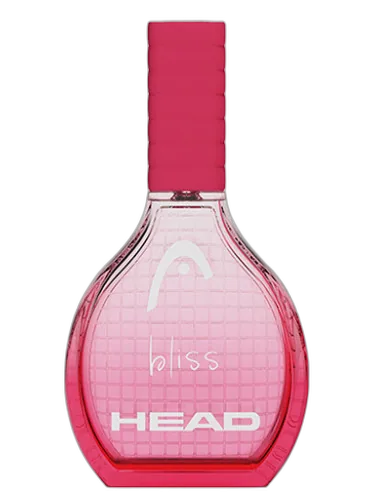
Head
Bliss Head
Shared accords: fruity, musky, sweet