


The Need To Fly Mystikum
At a glance
Is The Need To Fly Mystikum worth trying?
The Need To Fly by Mystikum is a fragrance for women and men.
- Best match
- Evening wear in Fall
- Performance feel
- Good longevity with Moderate sillage
- Signature profile
- aromatic, woody, herbal with Pomelo, Gin, Ginger
The first impression
The Need To Fly by Mystikum is a fragrance for women and men. This is a new fragrance. The Need To Fly was launched in 2024. The nose behind this fragrance is Alexandre Illan. Top notes are Pomelo, Gin, Ginger and Tonic Water; middle notes are cannabis, Absinthe and Marjoram; base notes are Patchouli, Haitian Vetiver and Leather.
What shapes the scent
The perfumer behind it

Alexandre Illan
Alexandre Illan is a French perfumer known for his work with major fragrance houses and independent brands. His style balances modern elegance with playful, sensual accords, often featuring floral, gourmand, or woody elements. Notable creations include the bold, fruity-floral Osez-moi! for Chantal Thomass and the sophisticated Vaniteese for Dita Von Teese.
Notes pyramid
Top Notes
First impression · 15-30 min
 Pomelo
 Gin
Gin
 Ginger
 Tonic Water
Heart Notes
Core character · 2-4 hours
 cannabis
 Absinthe
 Marjoram
Base Notes
Lasting impression · 4+ hours
 Patchouli
 Haitian Vetiver
 Leather
The mood it creates
The Wanderer Archetype: Portrait of The Need To Fly Mystikum
Essence
The one who favors The Need To Fly Mystikum is not content with the mundane. Their soul hums with restlessness, an insistent pull toward the unknown. They are the Wanderer, an archetype that embodies the quest for meaning beyond the visible horizon. Like Hermes, they are messengers between worlds-between the known and the mysterious, the earthly and the ethereal.
This fragrance-mystical, elusive, with hints of incense, oud, and something indefinable-mirrors their essence. It is not a scent for those who seek comfort in familiarity. It is for those who crave the scent of distant lands, of forgotten temples, of the space between stars.
Philosophy & Values
Their philosophy is one of perpetual becoming. They do not believe in fixed identities, only in the unfolding of the self through experience. Truth, for them, is not something to be grasped but something to be chased-always just out of reach, like the horizon.
They value freedom above all else, sometimes to a fault. Commitment can feel like a cage, and they may struggle with relationships that demand permanence. Yet, they are deeply loyal to those who understand their need to wander-those who do not mistake their absence for indifference.
Their spirituality is eclectic, borrowing from mysticism, existentialism, and the occult. They are not dogmatic but seek the thread that connects all traditions-the universal longing for transcendence.
Relationships
They love deeply but often from a distance. Their relationships are intense but ephemeral, like a fire that burns bright but cannot be contained. They are drawn to kindred spirits-other seekers, artists, philosophers-but may struggle with those who crave stability.
Their greatest gift in love is their ability to see the soul behind the mask. They do not love for convenience or security but for the raw, unfiltered truth of another. Yet, their shadow emerges when their fear of confinement leads them to abandon connections prematurely. They may leave before they are left, mistaking depth for danger.
Shadow
The Wanderer’s flaw is their inability to root. Their quest for the beyond can become an escape from the present. They may romanticize solitude to the point of isolation, mistaking loneliness for enlightenment.
At their worst, they become the Exile-always searching, never arriving. They may grow cynical, dismissing those who find meaning in ordinary life as naive. Their hunger for the mystical can devolve into a refusal to engage with reality, leaving them adrift in their own mythology.
Conclusion
Their style is an alchemy of contradictions-bohemian yet refined, timeless yet modern. They might wear flowing fabrics that suggest movement, layered jewelry with symbols of celestial or esoteric significance, and boots made for both city streets and mountain paths. Their home is a sanctuary of curiosities: old books, dried herbs, perhaps a map pinned to the wall with no clear destination marked.
They are drawn to art that evokes the sublime-abstract paintings, ambient music, poetry that lingers in the air like smoke. Their taste in literature leans toward the mystical: Hermann Hesse, Jorge Luis Borges, Clarice Lispector. They do not consume stories for mere entertainment but for the possibility of revelation.
Professionally, they thrive in roles that allow for autonomy and discovery-writers, researchers, spiritual guides, or travelers who turn their journeys into something tangible. They may resist conventional careers, sensing that a life bound by routine is a slow death.
If you like this, try these
Fragrances with a comparable profile - shared accords, notes, and character.
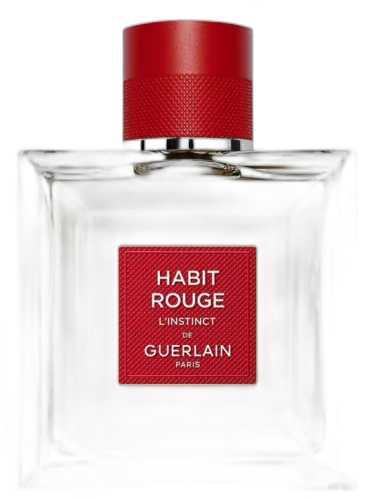
Guerlain
Habit Rouge L'instinct Guerlain
Shared heart notes: cannabis
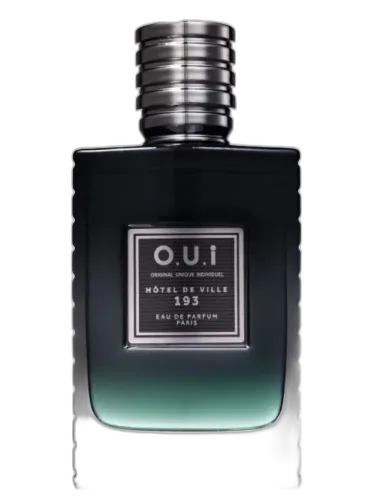
O.U.i Original Unique Individual
Hôtel De Ville 193 O.u.i Original Unique Individual
Shared base notes: haitian vetiver, patchouli
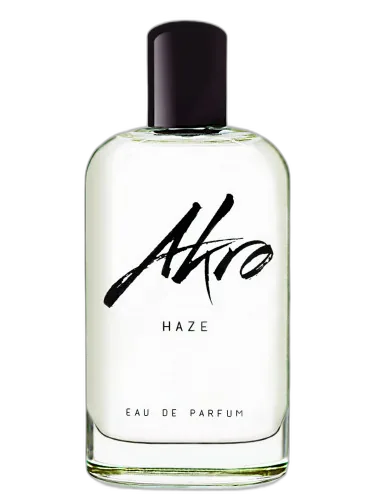
Akro
Haze Akro
Shared base notes: leather, patchouli
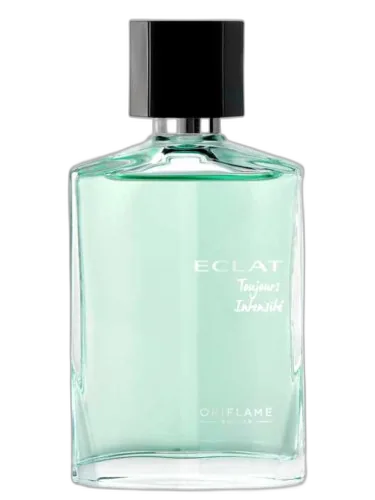
Oriflame
Eclat Toujours Intensité Oriflame
Shared top notes: tonic water
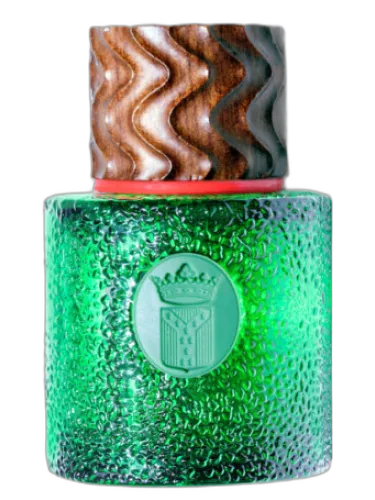
Taffin Fragrances
Le Vert N°7732 Taffin Fragrances
Shared base notes: haitian vetiver, patchouli