

Alpine Wildflower Namesake Fragrance
At a glance
Is Alpine Wildflower Namesake Fragrance worth trying?
ALPINE WILDFLOWER by NAMESAKE FRAGRANCE is a fragrance for women and men.
- Best match
- Casual wear in Spring
- Performance feel
- Good longevity with Moderate sillage
- Signature profile
- earthy, fresh, mossy with Mountain Air, Earthy Notes, Oakmoss
The first impression
ALPINE WILDFLOWER by NAMESAKE FRAGRANCE is a fragrance for women and men. ALPINE WILDFLOWER was launched in 2019. The nose behind this fragrance is Nick Vu.
What shapes the scent
The perfumer behind it

Nick Vu
Nick Vu is the founder and perfumer behind the Namesake Fragrance line, which includes scents like Alpine Wildflower, Geranium Greenhouse, and Tobacco Stables. His work often explores natural and evocative themes, blending floral, green, and woody notes. Vu’s creations are known for their narrative quality, drawing inspiration from personal and environmental stories.
Notes pyramid
All Notes
Complete scent profile
 Mountain Air
 Earthy Notes
 Oakmoss
 Cotton Flower
 Frankincense
 Lavender
 Gardenia
 Cedar
Cedar
 Smoke
Smoke
 Lily of the Valley
The mood it creates
The Innocent Archetype: Portrait of Alpine Wildflower Namesake Fragrance
Essence
The one who favors Alpine Wildflower is drawn to the crisp, untamed purity of high meadows-where sunlight dances on petals untouched by the weight of the world below. Their spirit resonates with the Innocent Archetype, embodying optimism, simplicity, and a deep yearning for harmony. They are not naive, but rather, they choose to see beauty first, believing in the fundamental goodness of life. Their presence is like a breath of mountain air-refreshing, uncomplicated, yet carrying the quiet strength of something that thrives in solitude.
Style & Aesthetic
Their tastes are refined in their restraint. They prefer natural fabrics-linen, cotton, wool-soft against the skin, as if to remind themselves of the earth’s touch. Their wardrobe leans toward muted tones, with occasional bursts of wildflower hues: lavender, buttercup yellow, the faintest blush of alpine rose. They adorn themselves sparingly, favoring delicate silver or raw stones over ostentation.
In their home, light spills through open windows, illuminating wooden surfaces, dried wildflowers in glass jars, and well-worn books of poetry and philosophy. They are drawn to scents that evoke freshness-herbs, rain, and, of course, wildflowers-but never anything cloying or heavy. Their music is gentle, often instrumental, or folk songs that tell stories of wandering and return.
They thrive in spaces where nature is near-mountain towns, countryside cottages, or city apartments with rooftop gardens. Their daily rituals are sacred: morning tea sipped slowly, long walks without destination, journal pages filled with observations of small beauties. They are not lazy, but they reject the cult of busyness, believing that a life well-lived is measured in moments of presence, not productivity.
Work, for them, must align with their values. They are drawn to healing professions, creative fields, or environmental causes-anything that allows them to nurture, create, or protect. They are not ambitious in the traditional sense, but they possess a quiet determination to live in accordance with their principles.
Philosophy & Values
They believe life is best lived with lightness, not in ignorance of darkness, but in defiance of it. Their philosophy is one of trust-trust in the unfolding of things, trust in kindness, trust that the world, though flawed, is still worth embracing. They resist cynicism, not out of ignorance, but as an act of will.
Yet this trust is not passive. They cultivate joy deliberately, like a gardener tending fragile blooms. They value authenticity above all, recoiling from pretense or manipulation. Their moral compass is unwavering-they do not bend to convenience, nor do they tolerate cruelty. But their idealism can sometimes blind them to complexity, making them impatient with those who dwell in gray areas.
Relationships
In love and friendship, they are warm but guarded, slow to let others in but fiercely loyal once they do. They seek companions who share their reverence for simplicity-people who understand silence, who do not mistake quietude for emptiness. Their relationships are built on mutual respect, never possession.
Yet their idealism can make intimacy difficult. They recoil from conflict, sometimes avoiding difficult conversations in favor of keeping the peace. Their shadow emerges when their desire for harmony turns into avoidance-when they refuse to acknowledge the thorns among the flowers. Those closest to them may feel that their optimism, at times, borders on evasion, as if they fear that admitting pain will shatter their carefully tended world.
Shadow
The Innocent’s greatest strength-their unwavering belief in goodness-can also be their undoing. When life wounds them, they do not become bitter, but they may retreat further into their idealism, refusing to acknowledge harsh truths. Their optimism can harden into denial, their trust into credulity.
At their worst, they may grow passive, waiting for the world to align with their vision rather than engaging with its imperfections. They may also struggle with self-righteousness, quietly judging those who cannot match their purity of heart. Their challenge is to integrate the shadow-to accept that light cannot exist without darkness, and that true resilience comes from facing both.
Conclusion
They are not untouched by sorrow, but they refuse to let it define them. Their life is an act of quiet rebellion-a refusal to let the world’s weight crush their spirit. They are proof that fragility can be strength, that softness is not weakness, and that even in the harshest winds, wildflowers still bloom.
They do not seek to conquer the mountain. They simply grow where they are planted, and in doing so, they become part of its beauty.
If you like this, try these
Fragrances with a comparable profile - shared accords, notes, and character.
Filippo Sorcinelli
Vento Forte Extrait De Parfum Filippo Sorcinelli
Shared accords: earthy, fresh, mossy

Fine Fragrances & Cosmetics
Lace Fine Fragrances & Cosmetics
Shared top notes: oakmoss

House of Gray
Paradisus House Of Gray
Shared top notes: mountain air, oakmoss

Swiss Arabian
Sands Swiss Arabian
Shared top notes: earthy notes, mountain air
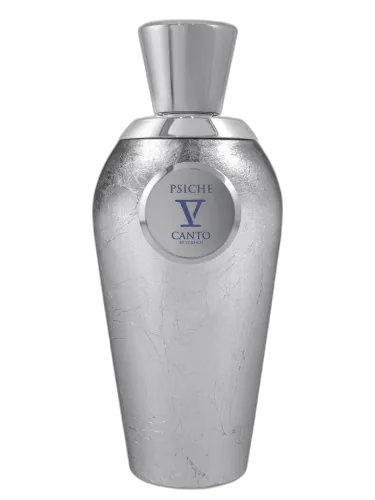
V Canto
Psiche V Canto
Shared top notes: cedar, lavender, oakmoss