
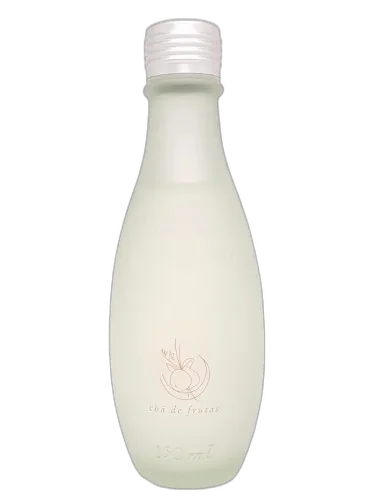

Chá De Frutas Natura
Fragrance Story
Chá de Frutas by Natura is a Aromatic Fruity fragrance for women. Chá de Frutas was launched in 2004. Top notes are Bergamot, Yuzu, Green Notes, Grapefruit and Water Fruit; middle notes are Freesia, Tea, Lily-of-the-Valley, Water Flowers and Violet; base notes are Cedar, Musk, Sandalwood, Amber and Vetiver.
Composition Profile
About the Perfumer

Unknown Perfumer
Fragrance Notes
Top Notes
First impression · 15-30 min
 Bergamot
 Yuzu
Yuzu
 Green Notes
 Grapefruit
 Water Fruit
Heart Notes
Core character · 2-4 hours
 Freesia
 Tea
Tea
 Lily-of-the-Valley
 Water Flowers
 Violet
Base Notes
Lasting impression · 4+ hours
 Cedar
Cedar
 Musk
Musk
 Sandalwood
 Amber
Amber
 Vetiver
Chá De Frutas Natura by Natura offers a distinctive olfactory experience that stands out from other fragrances in its category.
Crafted with the finest ingredients and a blend of traditional and modern perfumery techniques, this fragrance represents the pinnacle of the perfumer's art.
Chá De Frutas Natura embodies the distinctive style of Natura while adding a unique chapter to their fragrance portfolio.
Character Profile
The Lover Archetype: Portrait of Chá De Frutas Natura
Essence
To wear Chá De Frutas Natura is to embrace a fragrance that is light, playful, and unburdened-a scent that evokes sunlit orchards and the simplicity of fresh-picked fruit. The person who adores this fragrance is, at their core, an embodiment of the Innocent archetype, one who seeks purity, joy, and an unspoiled connection to life’s sweetness.
They are drawn to the uncomplicated, the natural, the things that stir nostalgia for childhood summers and carefree afternoons. Their presence is like a sip of cool herbal tea on a warm day-refreshing, comforting, and effortlessly pleasant. Yet, beneath this lightness lies a quiet resistance to the harshness of the world, a refusal to be tainted by cynicism or bitterness.
Style & Aesthetic
Their style is airy, organic, and unfussy-linen dresses, soft cotton shirts, straw hats, and woven sandals. They prefer muted pastels and earthy tones, colors that whisper rather than shout. Their home is filled with dried flowers, hand-thrown ceramics, and well-loved books with dog-eared pages. They might collect seashells, pressed leaves, or small trinkets that hold sentimental value.
In music, they favor acoustic melodies, folk ballads, or classical pieces that feel like sunlight filtering through trees. Their taste in food leans toward fresh, simple dishes-ripe figs with honey, crusty bread with olive oil, herbal teas that soothe rather than stimulate. They are not one for excess; indulgence, to them, is found in moderation, in savoring rather than devouring.
They thrive in slow, unhurried environments-morning rituals with tea, long walks without destination, afternoons spent reading under a tree. They are not lazy but deliberate, valuing presence over productivity. The modern cult of busyness baffles them; they measure time in moments, not milestones.
Professionally, they gravitate toward roles that align with their values-teaching, gardening, art, healing professions. They are not driven by ambition but by purpose, seeking work that feels meaningful rather than merely lucrative.
Philosophy & Values
They believe in kindness without calculation, in goodness for its own sake. Their philosophy is not one of deep existential questioning but of preservation-preserving joy, preserving innocence, preserving the small beauties that others overlook. They are not naive, but they consciously choose optimism as an act of defiance against a world that often rewards hardness.
Their values are rooted in authenticity. They despise pretense, manipulation, and the performative nature of modern life. They would rather be genuinely gentle than strategically powerful. Yet, this very idealism can become their undoing-when reality refuses to conform to their vision, they may retreat rather than adapt.
Relationships
In love and friendship, they are tender, attentive, and deeply loyal. They listen with an open heart, offering comfort without judgment. Their affection is given freely, without expectation of reciprocation-though they secretly hope it will be.
Yet, their shadow emerges when disappointment strikes. The Innocent, when wounded, does not turn vengeful but disappears. They may withdraw into solitude, nursing their hurt in silence rather than confronting the source. Their avoidance of conflict can lead to unresolved tensions, as they would rather fade away than engage in a battle that might tarnish their inner peace.
Shadow
The Innocent’s greatest weakness is their fragility. Their refusal to engage with life’s darker aspects can leave them unprepared when hardship arrives. They may struggle with disillusionment, as their belief in inherent goodness is sometimes shattered by betrayal or cruelty.
When forced to confront complexity, they may resort to passive resistance-silent resentment, emotional withdrawal, or even a subtle martyrdom. Their kindness, if unchecked, can become a form of self-erasure, as they prioritize harmony over their own needs.
Conclusion
The lover of Chá De Frutas Natura is neither weak nor simple-they are a deliberate architect of lightness in a heavy world. Their strength lies in their refusal to be hardened, their insistence on seeing beauty where others see only utility. Yet, their challenge is to temper their idealism with resilience, to learn that true innocence is not ignorance but grace in the face of knowing.
They are the quiet reminder that joy is not frivolous-it is an act of rebellion.
Similar Fragrances
Fragrances with a comparable profile - shared accords, notes, and character.
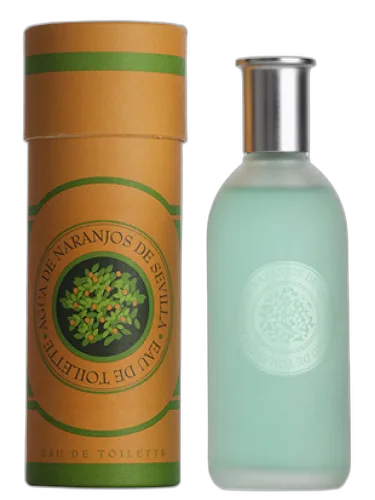
Agua de Sevilla
Agua De Naranjos Agua De Sevilla
Shared accords: aromatic, citrus, floral
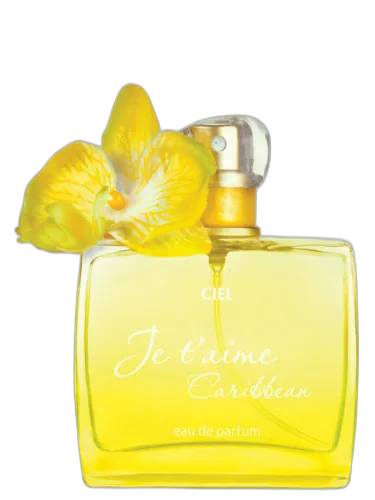
CIEL Parfum
Je T’aime Caribbean Ciel Parfum
Shared accords: aromatic, citrus, floral
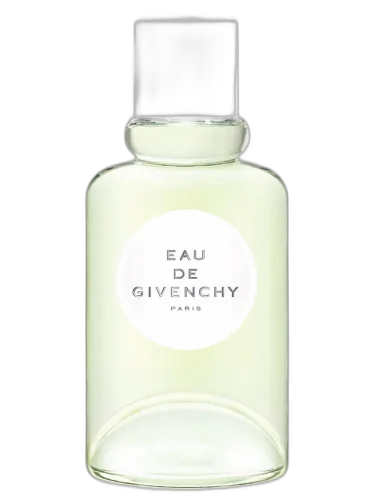
Givenchy
Eau De Givenchy (2018) Givenchy
Shared accords: aromatic, citrus, floral
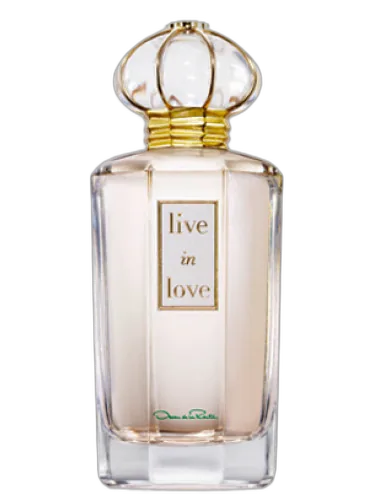
Oscar de la Renta
Live In Love Oscar De La Renta
Shared accords: aromatic, citrus, floral
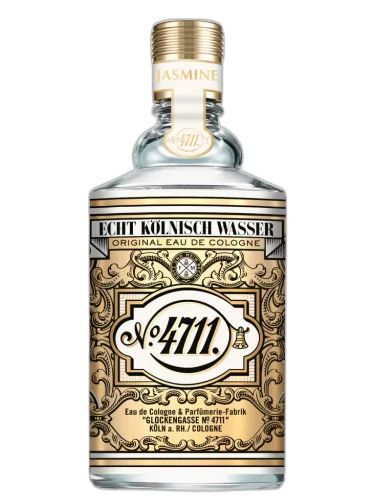
4711
4711 Jasmine Eau De Cologne 4711
Shared accords: aromatic, citrus, floral