


Kaiak Urbe Natura
At a glance
Is Kaiak Urbe Natura worth trying?
Kaiak Urbe by Natura is a Aromatic Fougere fragrance for men.
- Best match
- Casual wear in Summer
- Performance feel
- Good longevity with Moderate sillage
- Signature profile
- fresh spicy, green, aromatic with Green Notes, Apple, Mint
The first impression
Kaiak Urbe by Natura is a Aromatic Fougere fragrance for men. Kaiak Urbe was launched in 2012. Top notes are Green Notes, Apple, Mint, Lemon, Bergamot, Mandarin Orange and Dihydromyrcenol; middle notes are Nutmeg, Lavender, Basil and Geranium; base notes are Exotic Woods, Musk, Cedar, Sandalwood, Amber and Tonka Bean.
What shapes the scent
The perfumer behind it

Unknown Perfumer
Notes pyramid
Top Notes
First impression · 15-30 min
 Green Notes
 Apple
Apple
 Mint
Mint
 Lemon
Lemon
 Bergamot
 Mandarin Orange
 Dihydromyrcenol
Heart Notes
Core character · 2-4 hours
 Nutmeg
 Lavender
 Basil
Basil
 Geranium
Base Notes
Lasting impression · 4+ hours
 Exotic Woods
 Musk
Musk
 Cedar
Cedar
 Sandalwood
 Amber
Amber
 Tonka Bean
The mood it creates
The Explorer Archetype: Portrait of Kaiak Urbe Natura
Essence
The one who chooses Kaiak Urbe Natura is drawn to the scent of movement-fresh, green, aquatic, yet grounded in urban vitality. This fragrance speaks of a soul that thrives at the intersection of nature and civilization, embodying the restless energy of the Explorer archetype. They are not content with stagnation; their spirit demands motion, discovery, and the thrill of the unknown.
This person is neither a hermit nor a conformist. They navigate life with a curiosity that borders on restlessness, always seeking new horizons-whether in travel, ideas, or personal growth. Their philosophy is one of fluidity: they believe life should be tasted, touched, and traversed, not merely observed from a safe distance.
Style & Aesthetic
Their style is practical yet intentional-a blend of urban functionality and natural ease. They favor clothing that allows movement, fabrics that breathe, and colors that evoke earth and water: deep greens, slate blues, muted grays. Their home, if they stay in one place long enough to have one, is filled with textures-wood, stone, woven textiles-and always a few artifacts from distant lands.
They are drawn to music that evokes open spaces-ambient soundscapes, world rhythms, or the raw energy of post-rock. Their reading habits are eclectic, favoring travelogues, philosophy, and anything that challenges conventional thought. They consume art not for prestige, but for the way it makes them feel-whether it’s a street mural or an obscure indie film.
Philosophy & Values
Freedom is their highest ideal, but not in the reckless sense. Their freedom is disciplined, a conscious choice to remain unshackled by dogma, routine, or expectation. They distrust rigid systems, whether political, religious, or social, preferring to carve their own path.
Yet, their love for exploration is not purely selfish. They believe in the transformative power of experience-that by seeing the world, they become better equipped to understand it. They value adaptability, resilience, and the ability to find beauty in the unexpected. Their moral compass is intuitive rather than rule-bound; they judge actions by their consequences, not by tradition.
Relationships
Their relationships are marked by intensity and impermanence. They draw people in with their energy, their stories, their refusal to be confined. But they struggle with depth-not because they lack empathy, but because their instinct is to keep moving. Romantic partners may find them exhilarating yet elusive, always sensing that part of them is already halfway to the next adventure.
Friends admire their spontaneity but sometimes feel like mere waypoints in their journey. They are not cruel in their detachment; they simply do not know how to stay. Their closest bonds are with fellow wanderers-those who understand that love does not always mean permanence.
Shadow
Beneath their vibrant exterior lurks an unease they rarely acknowledge. Their greatest strength-their refusal to be tied down-can become their prison. When the novelty fades, they grow restless; when faced with routine, they feel suffocated. This can lead to a cycle of perpetual motion, where no experience is ever fully savored because the next one beckons.
Their avoidance of commitment can harden into emotional detachment. They may rationalize their flight as freedom, but at times, it is simply fear-fear of being known too deeply, of being weighed down by expectations. If left unchecked, their life becomes a series of departures, never arrivals.
Conclusion
For this individual, true freedom lies not in endless motion, but in the ability to choose when to move and when to stay. The Explorer at their best is not running from something, but toward something-wisdom, connection, a deeper engagement with life. When they learn to pause, to let roots form even if only temporarily, they discover that depth and freedom are not opposites, but companions.
They will always be drawn to the horizon, but maturity teaches them that the most profound discoveries often happen when they stop long enough to truly see.
If you like this, try these
Fragrances with a comparable profile - shared accords, notes, and character.
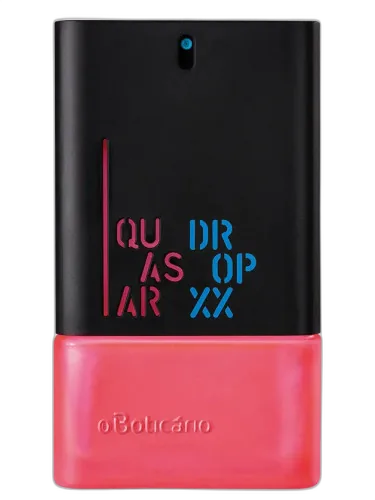
O Boticário
Quasar Drop Xx O Boticário
Shared top notes: apple, bergamot, mint
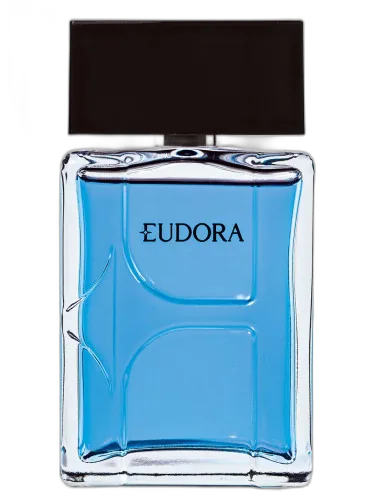
Eudora
Eudora H Refresh Eudora
Shared top notes: apple
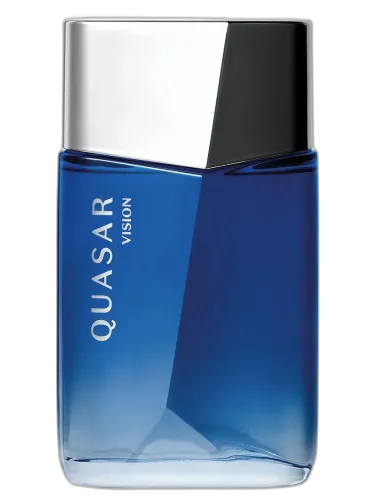
O Boticário
Quasar Vision O Boticário
Shared top notes: bergamot, mandarin orange, mint
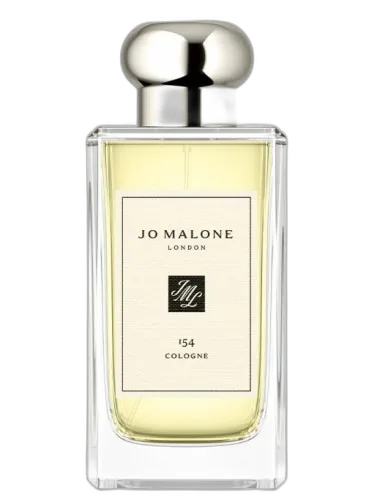
Jo Malone London
154 Cologne Jo Malone London
Shared top notes: bergamot, mandarin orange
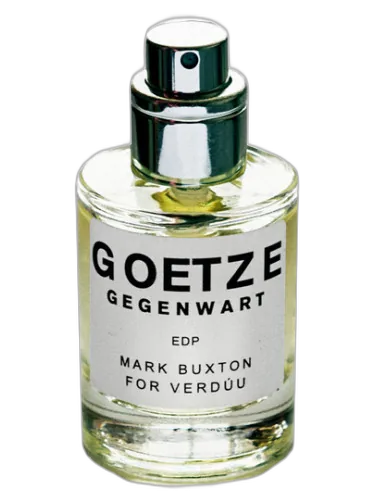
Verduu
Goetze Gegenwart Verduu
Shared top notes: bergamot