


Água De Banho Cheiro De Moça Bonita Natura
Fragrance Story
Água de Banho Cheiro de Moça Bonita by Natura is a Floral fragrance for women. Água de Banho Cheiro de Moça Bonita was launched in 2011. The nose behind this fragrance is Verônica Kato. Top note is Floral Notes; middle notes are Oily Notes and Monoi Oil; base note is Breu-Branco.
Composition Profile
About the Perfumer

Verônica Kato
Verônica Kato is a perfumer associated with Natura, where she has crafted a range of fragrances including #urbano Noturno and the numbered series 379 Benjoim Cumaru, 505 Íris Priprioca, 679 Ambrette Copaíba, 740 Sândalo Breu Branco, and 875 Vetiver Capitiú. She also created Acerola E Hibisco for Natura. Her work often explores Brazilian ingredients and natural accords, reflecting a deep connection to local raw materials.
Fragrance Notes
Top Notes
First impression · 15-30 min
 Floral Notes
Heart Notes
Core character · 2-4 hours
 Oily Notes
 Monoi Oil
Base Notes
Lasting impression · 4+ hours
 Breu-Branco
Água De Banho Cheiro De Moça Bonita Natura by Natura offers a distinctive olfactory experience that stands out from other fragrances in its category.
Crafted with the finest ingredients and a blend of traditional and modern perfumery techniques, this fragrance represents the pinnacle of the perfumer's art.
Água De Banho Cheiro De Moça Bonita Natura embodies the distinctive style of Natura while adding a unique chapter to their fragrance portfolio.
Character Profile
The Lover Archetype: Portrait of Água De Banho Cheiro De Moça Bonita Natura
Essence
This person is most closely aligned with the Innocent archetype-a soul untouched by cynicism, who finds beauty in simplicity and purity in the everyday. The fragrance itself, with its delicate floral and powdery notes, evokes nostalgia, youthfulness, and an uncomplicated sweetness. Like the scent, this individual carries an aura of effortless charm, a lightness that draws others in without pretense.
But the Innocent is not naive in the way a child is; they are consciously gentle, choosing to see the world through softness rather than hardness. Their optimism is not ignorance but a quiet rebellion against bitterness.
Style & Aesthetic
Their tastes are unpretentious but deeply intentional. They favor soft fabrics, pastel hues, and natural textures-linen, cotton, and light florals dominate their wardrobe. Their home is filled with warmth and small, meaningful objects: dried flowers in glass jars, well-worn books, and handwritten notes tucked into drawers.
They do not chase trends but instead cultivate a personal style that feels timeless and lived-in. Their fragrance, Água De Banho Cheiro De Moça Bonita Natura, is not a statement but an extension of their essence-subtle, comforting, and nostalgic.
They move through life at their own pace, savoring moments rather than rushing through them. Mornings are sacred-coffee sipped slowly, a walk without destination. They prefer small gatherings to loud parties, intimate conversations over performative socializing.
But this deliberate slowness can tip into passivity. At times, they may resist necessary change, clinging to comfort rather than confronting growth. Their challenge is to balance their love of peace with the courage to disrupt it when needed.
Philosophy & Values
They believe in kindness as a radical act, in the power of small joys to sustain the soul. Their philosophy is not grandiose but grounded in daily rituals-morning sunlight on skin, the scent of rain on pavement, the laughter of friends gathered in a kitchen.
Yet, beneath this optimism lies a quiet awareness of fragility. They know the world is harsh, but they refuse to let it harden them. Their strength is in their softness, their refusal to armor themselves against life’s abrasions.
Relationships
People are drawn to them because they listen without judgment and offer comfort without demand. Their friendships are deep but not possessive; they allow others to be as they are. In love, they are tender but not clingy, valuing emotional honesty over dramatic gestures.
Yet, their shadow emerges here: their avoidance of conflict. They may suppress their own needs to preserve harmony, leading to quiet resentments or unspoken disappointments. Their greatest challenge is learning that true connection sometimes requires discomfort.
Shadow
The Innocent’s greatest flaw is their fear of corruption-of becoming jaded, hardened, or disillusioned. This fear can make them avoid difficult truths, retreating into nostalgia or fantasy rather than facing reality. They may also struggle with self-assertion, fearing that speaking their mind will shatter the harmony they cherish.
But their shadow is not weakness; it is the necessary counterbalance to their light. Only by embracing life’s complexities-its sharp edges alongside its softness-can they truly embody the depth of their archetype.
Conclusion
This person is not fragile because they are weak, but because they choose to remain open in a world that often rewards hardness. Their fragrance-light, floral, unassuming-mirrors their soul: a quiet insistence that gentleness is its own kind of strength.
They are the reminder that innocence is not ignorance, but a conscious act of preservation-a refusal to let the world strip away wonder. And in that refusal, they find their power.
Similar Fragrances
Fragrances with a comparable profile - shared accords, notes, and character.
Natura
Água De Banho Cheiro De Moça Bonita Natura
Shared accords: coconut, floral, oily

L’Occitane Au Brésil
Bromélia L’occitane Au Brésil
Shared accords: floral, tropical

Chloé
Tuberosa 1974 Chloé
Shared accords: floral, white floral

Doctor Sweet Tooth
Banana Coconut Doctor Sweet Tooth
Shared accords: coconut, tropical
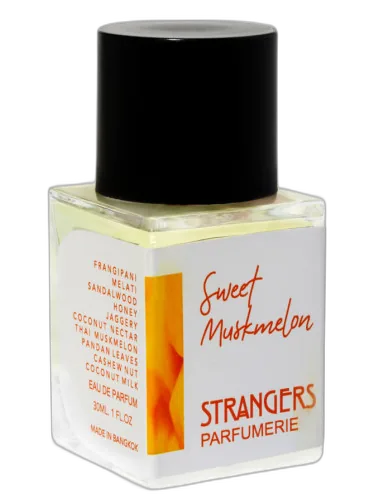
Strangers Parfumerie
Sweet Muskmelon Strangers Parfumerie
Shared accords: coconut, floral, tropical