
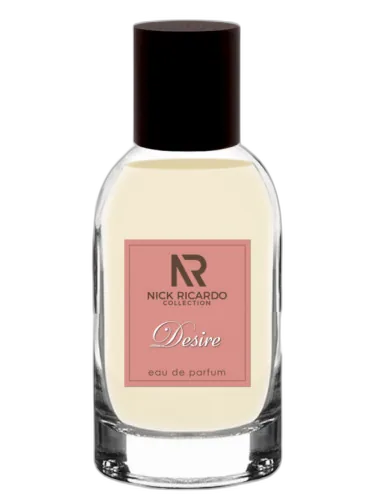

Desire Nick Ricardo Collection
At a glance
Is Desire Nick Ricardo Collection worth trying?
Desire by Nick Ricardo Collection is a Woody Chypre fragrance for women and men.
- Best match
- Evening wear in Fall
- Performance feel
- Very Good longevity with Strong sillage
- Signature profile
- woody, musky, warm spicy with Pinot Noir grapes, Lemongrass, Bergamot Blossom
The first impression
Desire by Nick Ricardo Collection is a Woody Chypre fragrance for women and men. Desire was launched in 2019. The nose behind this fragrance is Roger Howell. Top notes are Pinot Noir grapes, Lemongrass and Bergamot Blossom; middle notes are Sandalwood, Oakmoss, Patchouli, Cardamom and Hazelnut; base notes are White Musk, Leather and Ambergris.
What shapes the scent
The perfumer behind it

Roger Howell
Roger Howell is a perfumer who has created fragrances for Grisiau, Michael Malul London, and Nick Ricardo Collection. His works include Lemuria, Sedona, Shambhala, Citizen Jill, Electric Heart, Ocean Noir, Desire, and Mention. Howell's compositions often feature rich and varied olfactory profiles.
Notes pyramid
Top Notes
First impression · 15-30 min
 Pinot Noir grapes
 Lemongrass
 Bergamot Blossom
Heart Notes
Core character · 2-4 hours
 Sandalwood
 Oakmoss
 Patchouli
 Cardamom
 Hazelnut
Base Notes
Lasting impression · 4+ hours
 White Musk
 Leather
 Ambergris
The mood it creates
The Lover Archetype: Portrait of Desire Nick Ricardo Collection
Essence
To wear Desire Nick Ricardo Collection is to embrace an essence that speaks of seduction, allure, and the intoxicating pull of the senses. This fragrance is not for the timid-it is for those who understand that life is to be tasted, touched, and deeply felt. The person who chooses this scent is ruled by the Lover archetype, but not in its shallowest form. Their desire is not mere hedonism; it is a philosophy, a way of moving through the world with passion as their compass.
Philosophy & Values
For them, pleasure is not indulgence-it is a form of wisdom. They reject the puritanical notion that desire must be tamed or that passion is a distraction from higher pursuits. Instead, they believe that to deny desire is to deny life itself. Their philosophy is one of immersion: Feel deeply, love fiercely, savor every sensation before it slips away.
Yet, this is not mere materialism. Their pursuit of beauty is a spiritual act, a way of transcending the mundane. They understand that desire is fleeting, and so they embrace it all the more urgently. They value authenticity above all-false modesty and repressed emotions disgust them. They would rather burn brightly and briefly than smolder in mediocrity.
Relationships
In love, they are both the seducer and the seduced. They do not seek shallow conquests; they crave connections that are electric, consuming. Their relationships are intense, often dramatic, because they refuse to settle for anything less than absolute passion. They are generous lovers, attentive to their partner’s desires, but they demand the same in return.
Yet, their shadow looms here. Their hunger for intensity can make them restless-no love, no matter how deep, ever feels quite enough. They may grow bored when the initial fire dims, always chasing the next intoxication. They fear stagnation more than heartbreak, and so they may leave before they are left, or stay too long in destructive relationships simply because the pain feels more alive than indifference.
Shadow
Where there is ecstasy, there is also danger. The Lover’s greatest weakness is the temptation to lose themselves in sensation. They may indulge too deeply in wine, in love, in fantasy-anything to escape the dullness of routine. Their pursuit of pleasure can become a form of avoidance, a way to numb deeper fears of emptiness or meaninglessness.
At their worst, they may manipulate others, not out of malice, but because they cannot resist the thrill of being desired. They may confuse love with possession, passion with obsession. The line between devotion and self-destruction blurs, and they must learn that true desire does not consume-it enriches.
Conclusion
This individual thrives in environments where beauty and pleasure are paramount. Their home is a sanctuary of textures-velvet drapes, silk cushions, dim lighting that casts shadows just so. They are drawn to the aesthetics of old-world opulence, where every object tells a story, where even the mundane is elevated by artistry. Their wardrobe is carefully curated, favoring fabrics that feel as good as they look, cuts that accentuate the body without vulgarity. They do not dress to impress others; they dress to feel alive.
Their tastes in music, literature, and art lean toward the romantic, the baroque, the decadent. They might lose themselves in the poetry of Baudelaire, the paintings of Caravaggio, or the operas of Wagner-works that celebrate the ecstasy and torment of desire. They are not passive consumers; they engage with art as if it were a lover, seeking to be transformed by it.
If you like this, try these
Fragrances with a comparable profile - shared accords, notes, and character.

Montale
Aoud Purple Rose Montale
Shared heart notes: patchouli, sandalwood

Cristiana Bellodi
C Cristiana Bellodi
Shared heart notes: patchouli, sandalwood
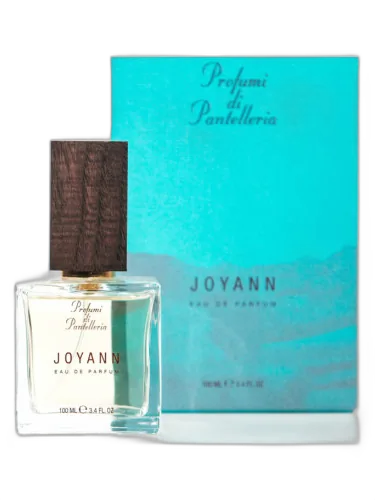
Profumi di Pantelleria
Joyann Profumi Di Pantelleria
Shared heart notes: patchouli

Orobianco Parfum Collection
417 Orobianco Parfum Collection
Shared heart notes: patchouli
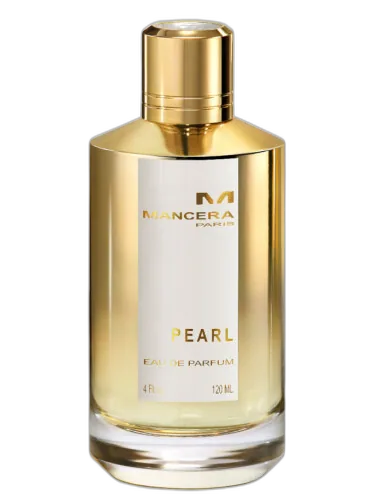
Mancera
Pearl Mancera
Shared base notes: ambergris, white musk