
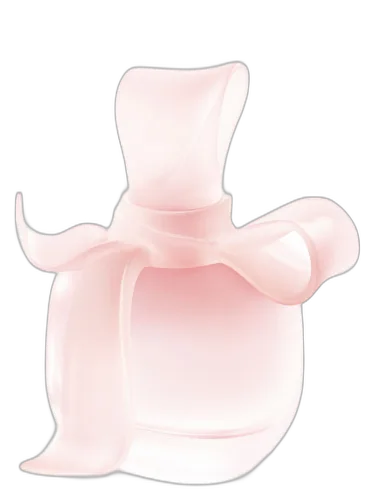

Mademoiselle Ricci L'eau Nina Ricci
At a glance
Is Mademoiselle Ricci L'eau Nina Ricci worth trying?
Mademoiselle Ricci L'Eau by Nina Ricci is a Floral Fruity fragrance for women.
- Best match
- Casual wear in Spring
- Performance feel
- Moderate longevity with Moderate sillage
- Signature profile
- rose, floral, fresh with Italian Jasmine, Peony, Rose
The first impression
Mademoiselle Ricci L'Eau by Nina Ricci is a Floral Fruity fragrance for women. Mademoiselle Ricci L'Eau was launched in 2013. The nose behind this fragrance is Alberto Morillas. Top note is Italian Jasmine; middle notes are Peony and Rose; base notes are Musk, Woody Notes and Cedar.
What shapes the scent
The perfumer behind it

Alberto Morillas
Alberto Morillas is a master perfumer based in Geneva, Switzerland, and a longtime collaborator with Firmenich. His style is known for refined, luminous compositions that balance natural elegance with modern clarity. He created the bold leather and spice of Amouage Opus VII - Reckless Leather, the fresh citrus depth of Acqua di Parma Colonia Intensa, and the woody warmth of Aedes de Venustas Palissandre D'or. His work has shaped contemporary perfumery across both niche and luxury houses.
Notes pyramid
Top Notes
First impression · 15-30 min
 Italian Jasmine
Heart Notes
Core character · 2-4 hours
 Peony
Peony
 Rose
Rose
Base Notes
Lasting impression · 4+ hours
 Musk
Musk
 Woody Notes
 Cedar
Cedar
The mood it creates
The Lover Archetype: Portrait of Mademoiselle Ricci L'eau Nina Ricci
Essence
At the core of this individual lies the Eternal Maiden-a Jungian archetype embodying youth, playfulness, and an insatiable curiosity for life. She is not naive, but rather chooses to see the world through a lens of wonder, resisting the cynicism that often comes with age. The fragrance she adores, L’Eau Mademoiselle, mirrors this essence: a delicate yet spirited blend of citrus, peony, and musk-light enough to suggest innocence, yet with a lingering depth that hints at hidden complexity.
She is not the Ingénue, for she is far too self-aware for blind optimism. Nor is she the Femme Fatale, though she may wield charm with effortless grace. She exists in the liminal space between girlhood and womanhood, embracing both without fully surrendering to either.
Relationships
She draws people to her effortlessly, her laughter like a melody that lingers in the air. Friends adore her for her warmth and wit, her ability to make even mundane moments feel enchanted. Romantic partners are initially captivated by her charm, though some may grow frustrated when they realize she cannot be possessed.
She is not cold-far from it-but she resists being defined by any single relationship. She loves deeply but on her own terms, and if a bond begins to feel stifling, she will retreat like a mist at dawn. This is not cruelty, but self-preservation. She fears losing herself more than she fears solitude.
Shadow
For all her radiance, there is a fragility to her. Her refusal to be pinned down can border on evasiveness. She may struggle with commitment, not out of malice, but because permanence feels like a cage. She flits from passion to passion-hobbies, projects, even people-leaving a trail of half-finished endeavors in her wake.
At times, her optimism can tip into denial. She may avoid confronting harsh truths, preferring to cloak reality in poetry rather than face its jagged edges. When life wounds her, she does not rage or crumble-she simply drifts, recalibrating in silence until she can reemerge, smiling as if nothing happened.
Conclusion
Her world is one of curated beauty-not in the ostentatious sense, but in the way she arranges her surroundings to reflect her inner harmony. Her home is filled with natural light, fresh flowers, and well-loved books with dog-eared pages. She favors clean lines in fashion-tailored blouses paired with flowing skirts, or a minimalist dress in pastel tones-yet she might surprise with a sudden bold accessory, a flash of red lipstick, or an unexpected pair of boots.
Her tastes in art and music lean toward the impressionistic-Debussy’s Clair de Lune, Monet’s water lilies-but she is not afraid of dissonance. She enjoys the occasional plunge into darker, more complex works, as if testing the boundaries of her own lightness.
Philosophically, she rejects rigid dogma. She believes in fluidity, in the idea that one can be many things at once-serious and playful, independent and tender, pragmatic and dreamy. She values freedom above all, not in the reckless sense, but as the right to evolve without being pinned down by expectations.
If you like this, try these
Fragrances with a comparable profile - shared accords, notes, and character.
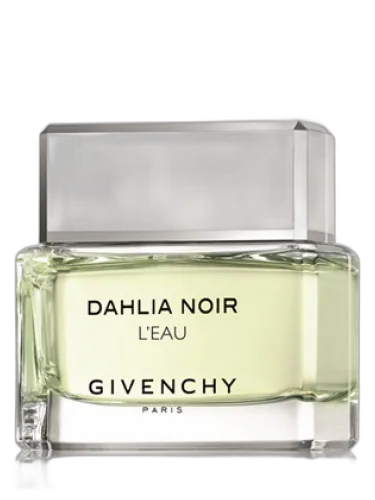
Givenchy
Dahlia Noir L’eau Givenchy
Shared heart notes: peony, rose
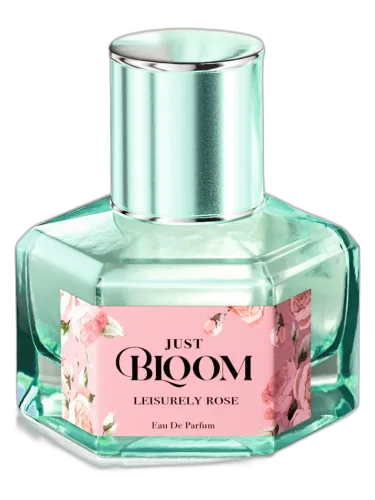
Faberlic
Just Bloom Leisurely Rose Faberlic
Shared heart notes: peony, rose
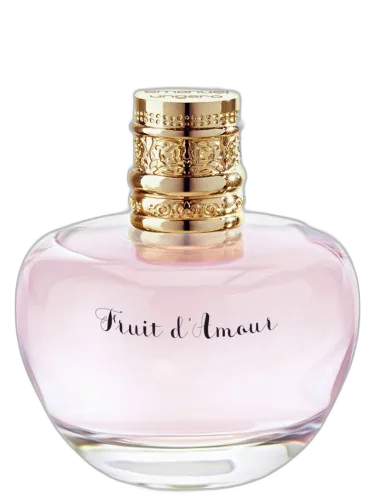
Emanuel Ungaro
Fruit D'amour Pink Emanuel Ungaro
Shared heart notes: peony, rose
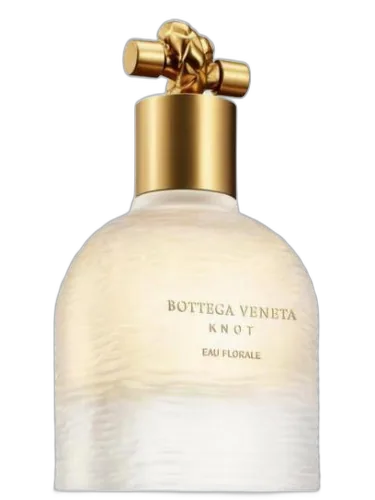
Bottega Veneta
Knot Eau Florale Bottega Veneta
Shared heart notes: peony, rose
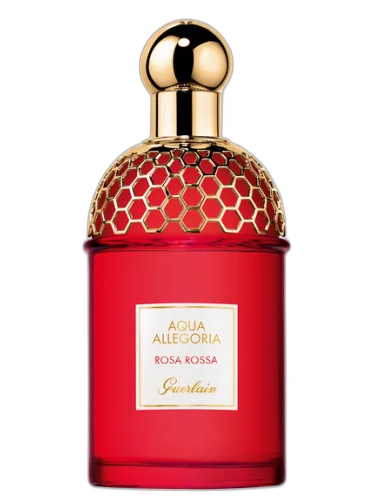
Guerlain
Aqua Allegoria Rosa Rossa (a Chinese New Year Limited Edition) Guerlain
Shared heart notes: peony, rose